• Home
    • MGB GT Sebring
    • Toyota GR Yaris
  • Stories
  • Contacts
  • _________
    • FACEBOOK
    • INSTAGRAM
    • YOUTUBE

Ian Callum

The best car designer of the era

We all can recognize the shapes of cars such as “Ford RS200”, “Aston Martin” or “Jaguar”. Today I would like to share with you about the very important person whose ideas saw daylight. Ian Callum a British car designer who can be considered as one of the best specialists of his generation.

For the last decade, this British guy has been associated with all “Jaguar”, “Land Rover” and “Range Rover” cars. However, the very talented designer has proved many times that he can be also versatile while working on different automobiles of different brands, but this time we would like to demonstrate the best works of Ian Callum. So, let’s get acquainted with the top 9 designs of Ian Callum.

FORD RS200

A two-seater car, specially created for rally racing purposes, was supposed to accomplish a very difficult task – to become the champion of Group B rally racing.

4WD, a watermelon-sized turbine, and a brave-hearted driver were those components that had to lead “Ford” to the winner’s position in international arenas.

A unique construction was the key that allowed the authors of the project to create a very compact supercar. Unfortunately, “Ford RS200” was outshined by “Peugeot 205 T16”, “Lancia Delta S4”, “Audi Quattro” or even “Renault 5 Turbo”.

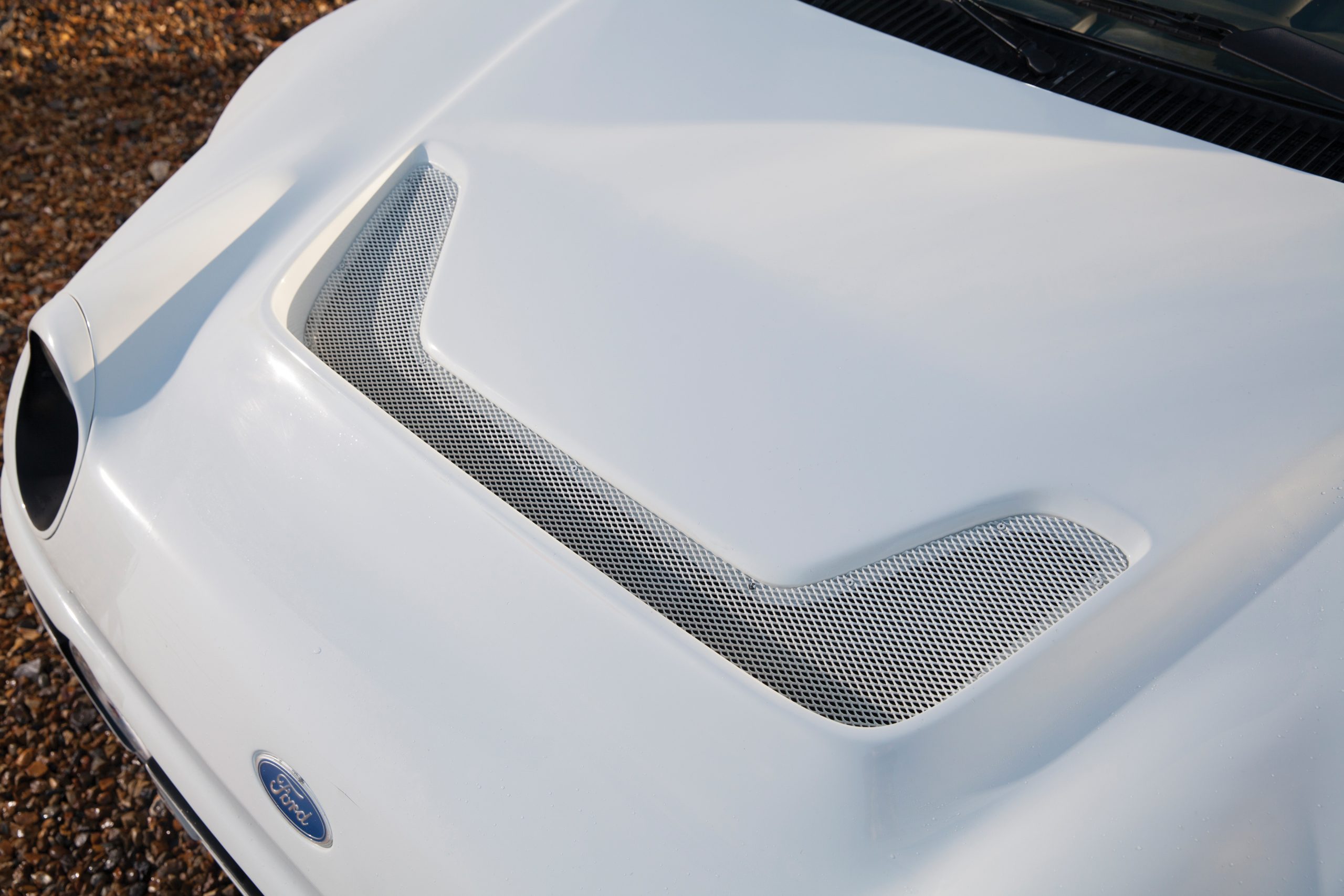
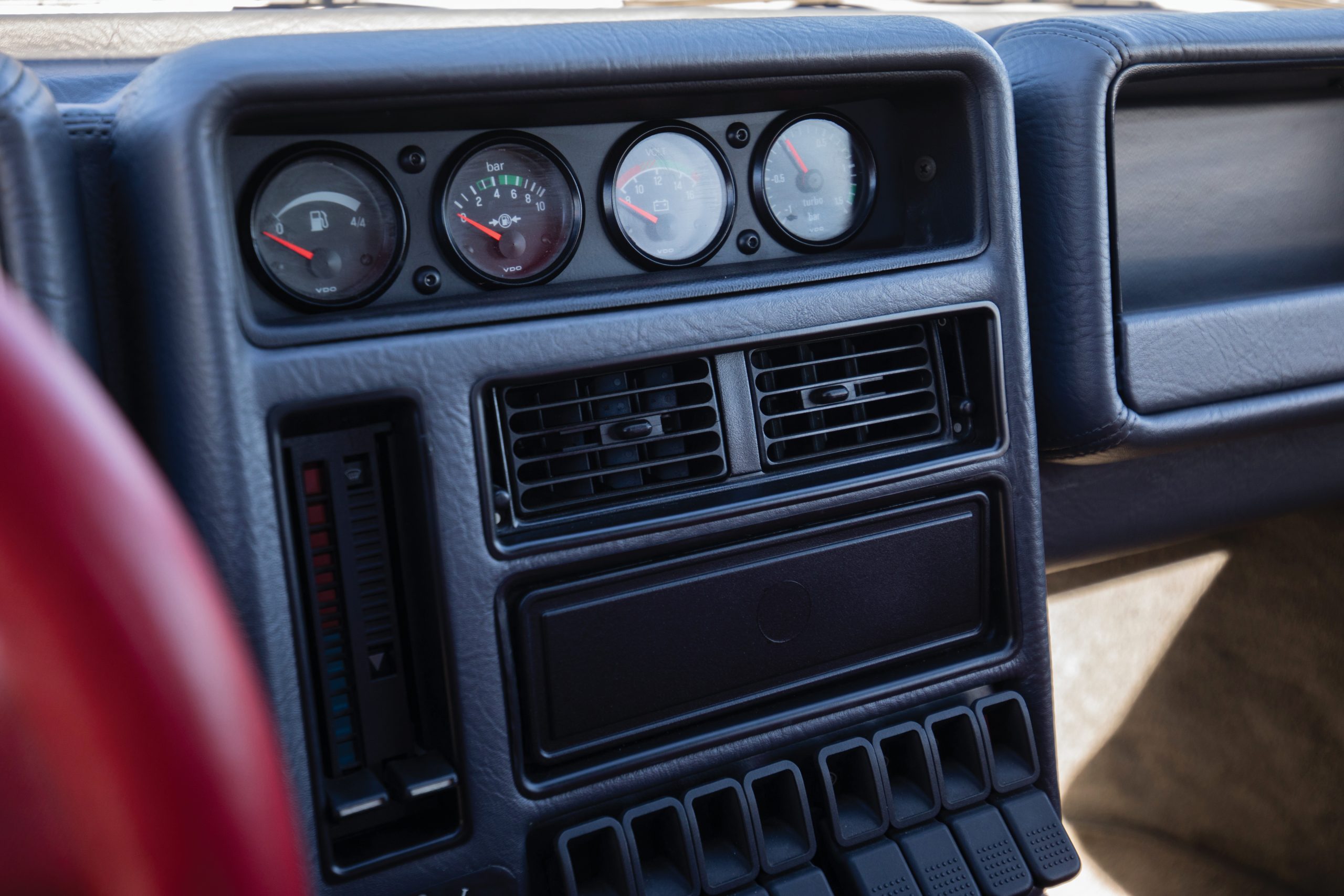
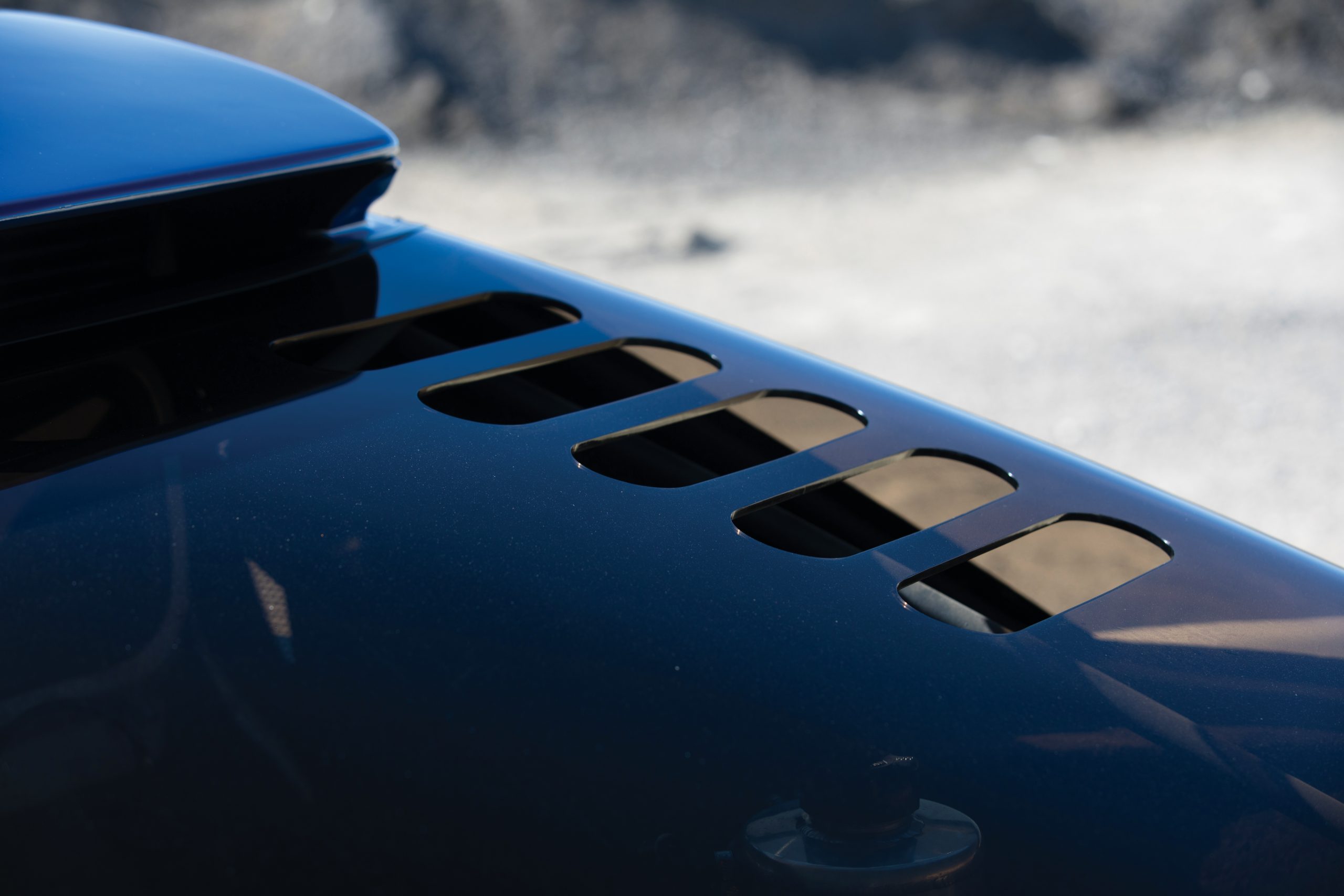
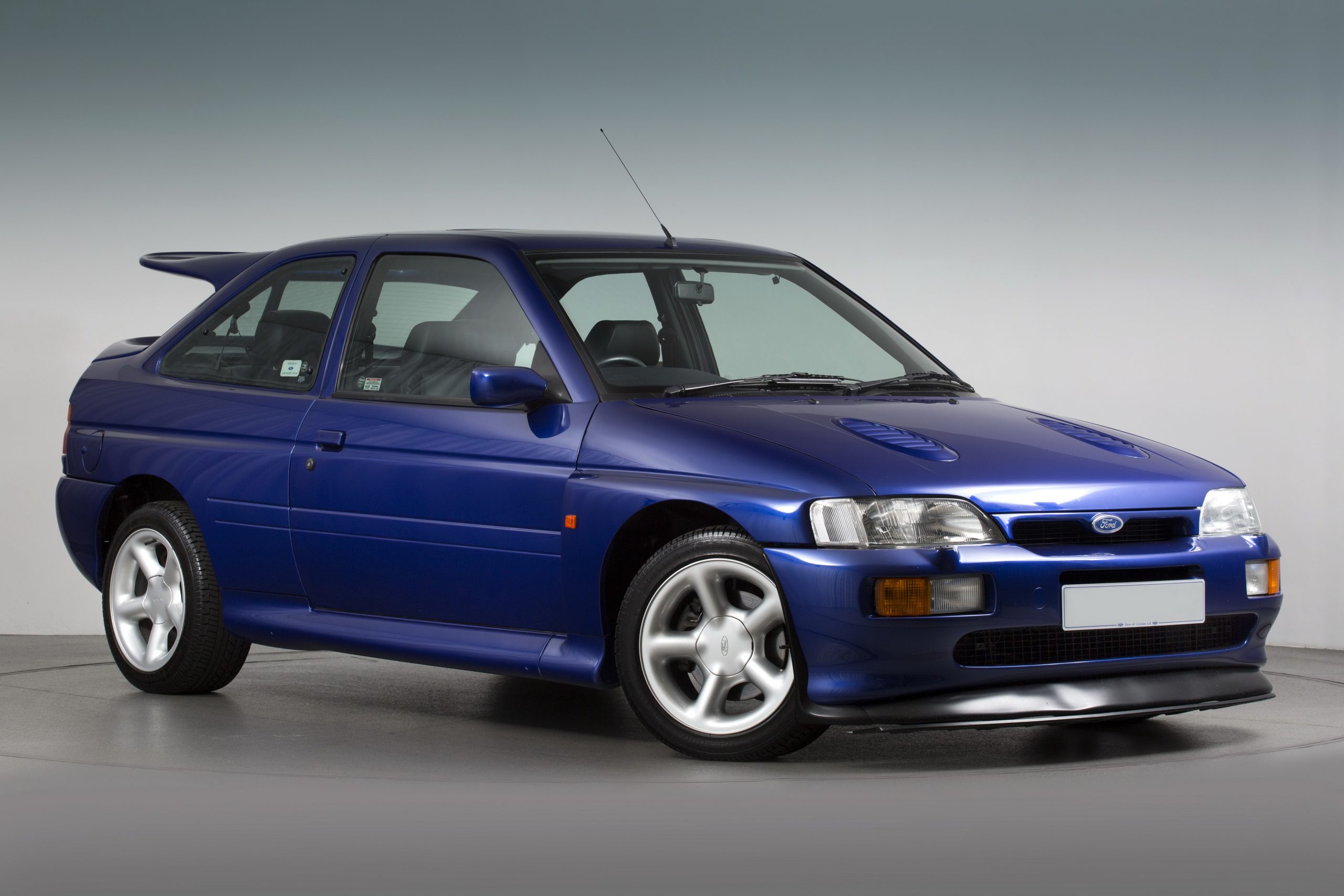
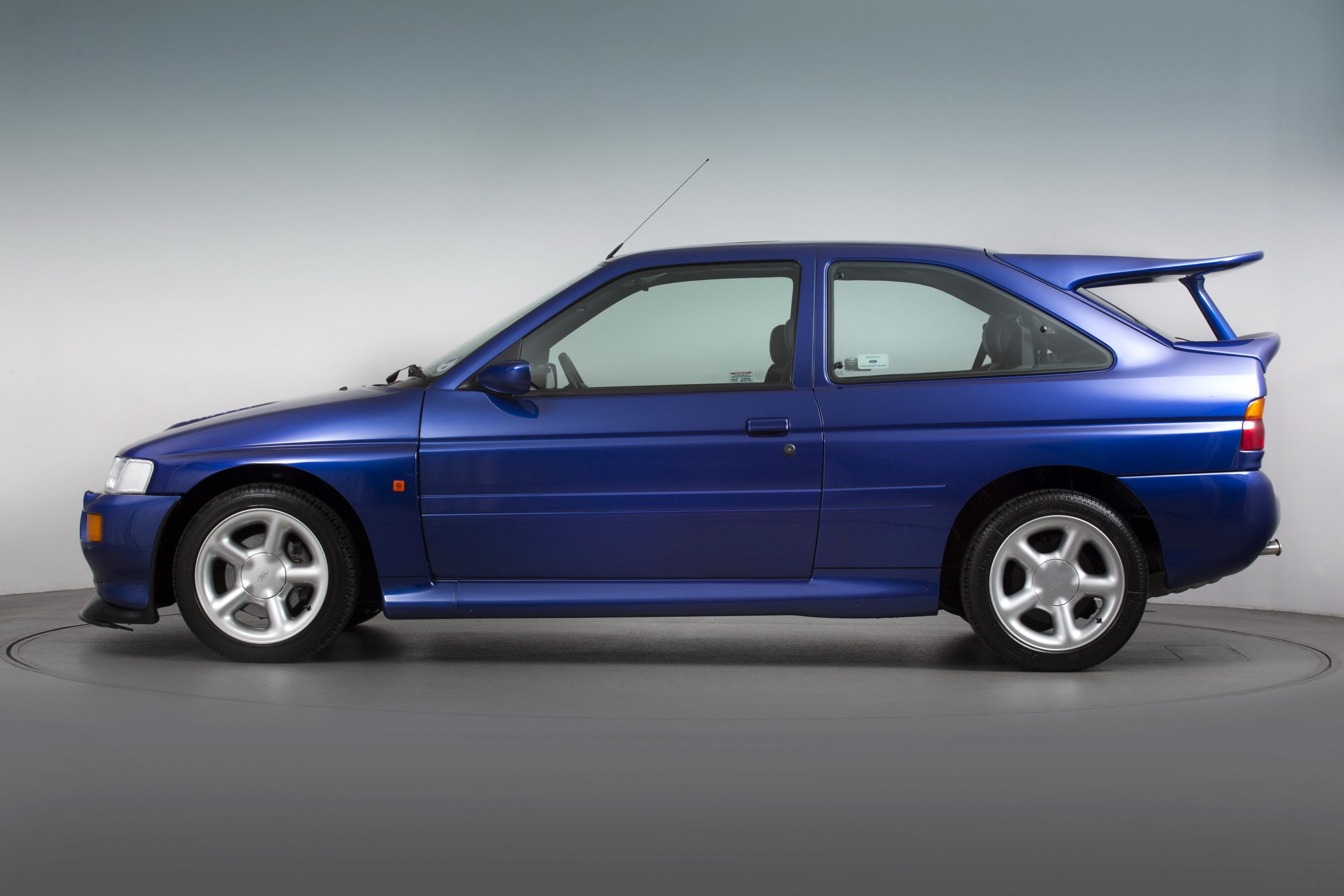
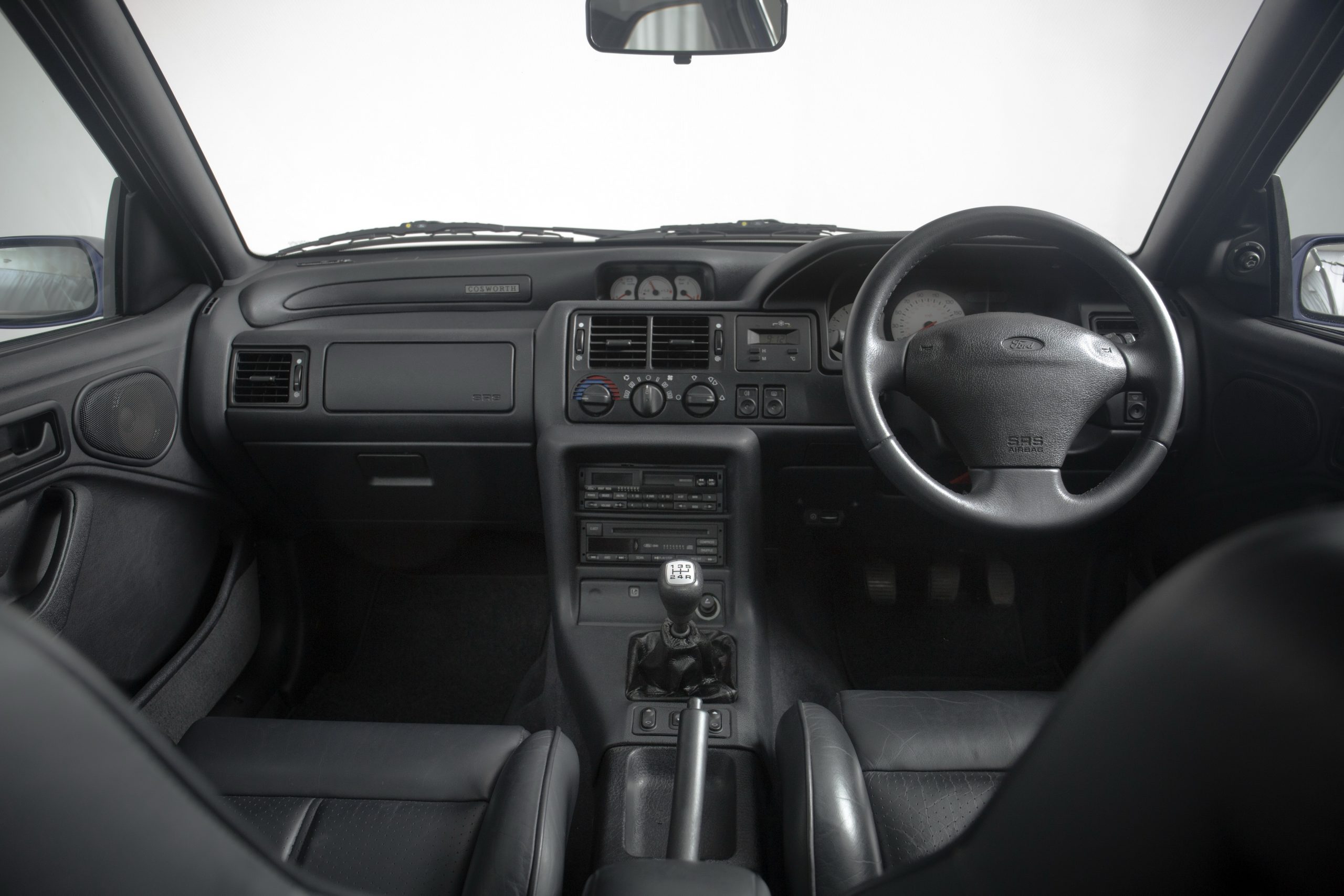
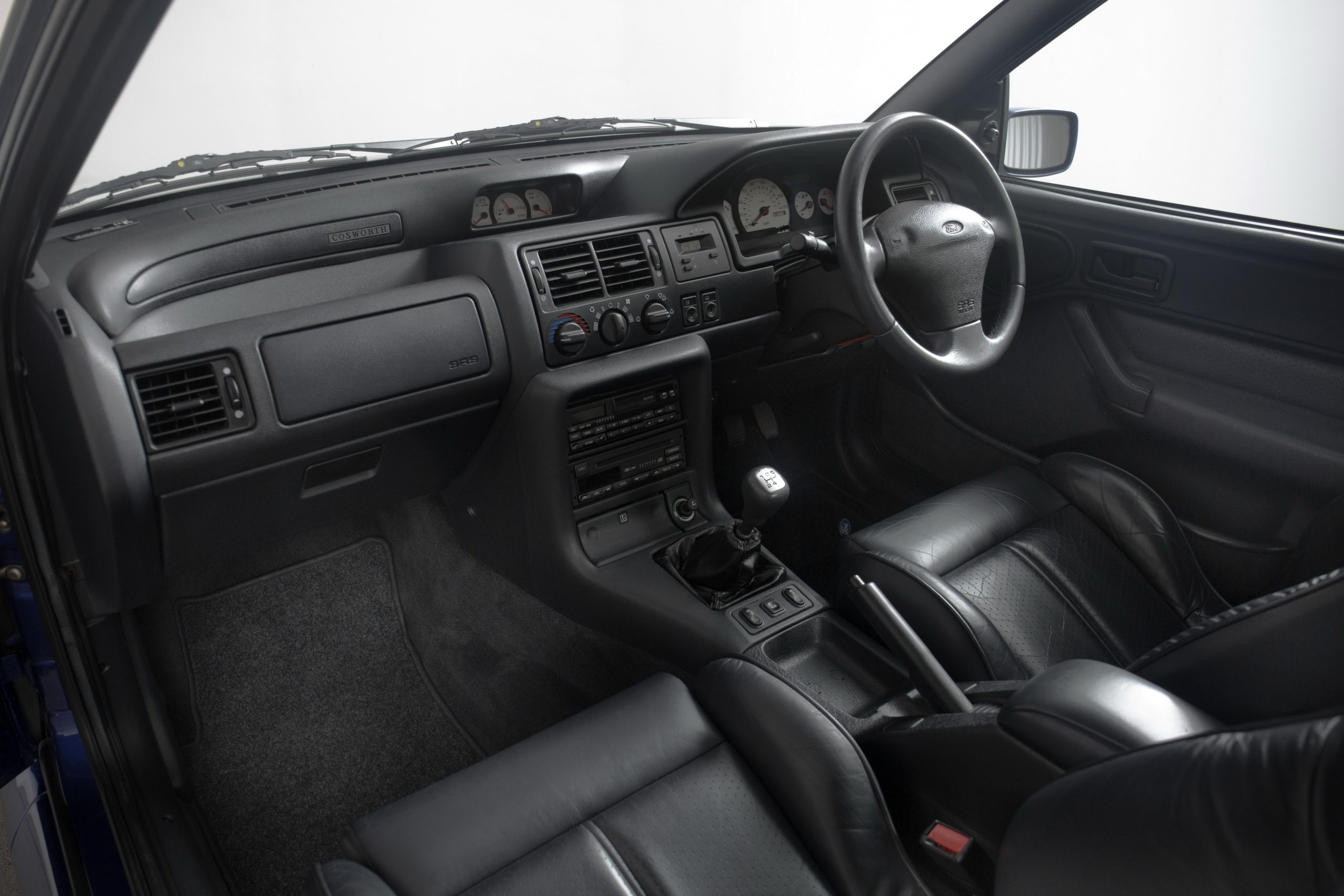
FORD ESCORT RS COSWORTH

“Ford Sierra Cosworth”, which was kind of a child of previous “Ford” and “Cosworth”, became a real phenomenon. It was not very attractive, but it was a damn fast car, which was popular not only among the private autosport teams but also among the dishonest baddies.
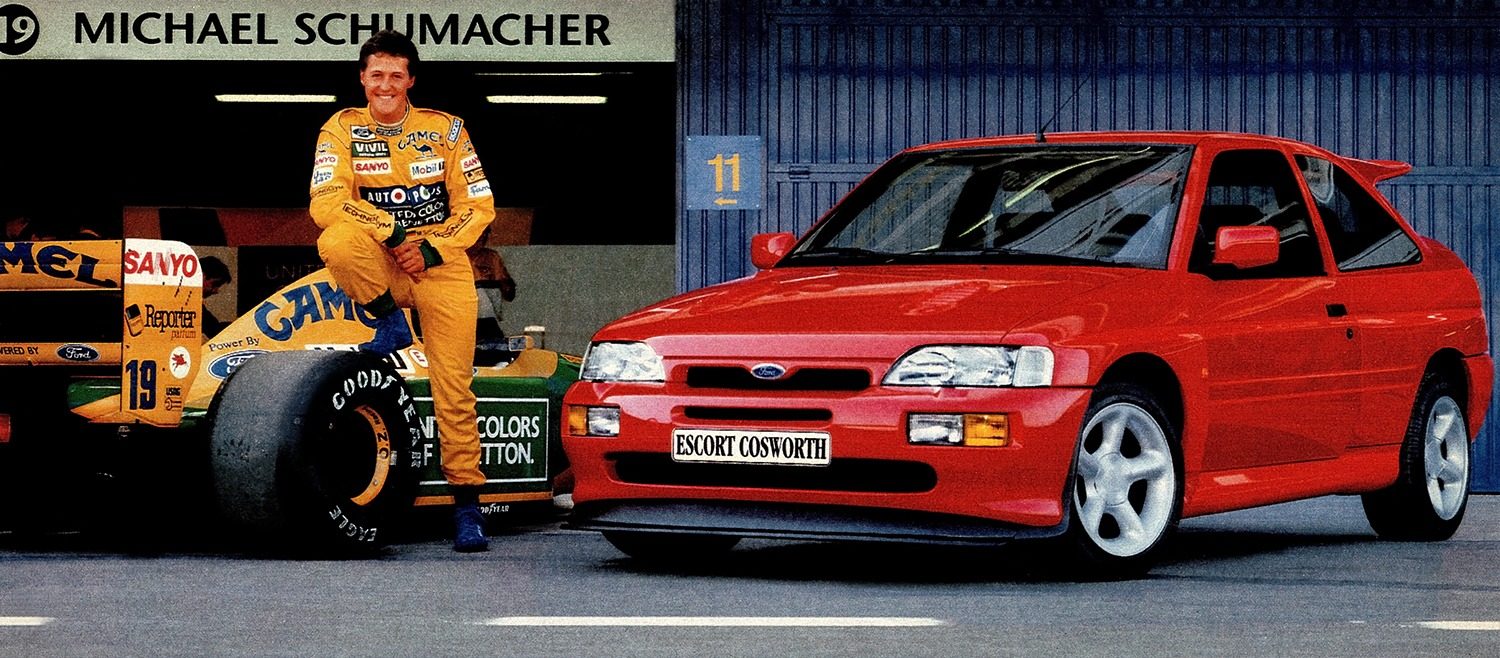
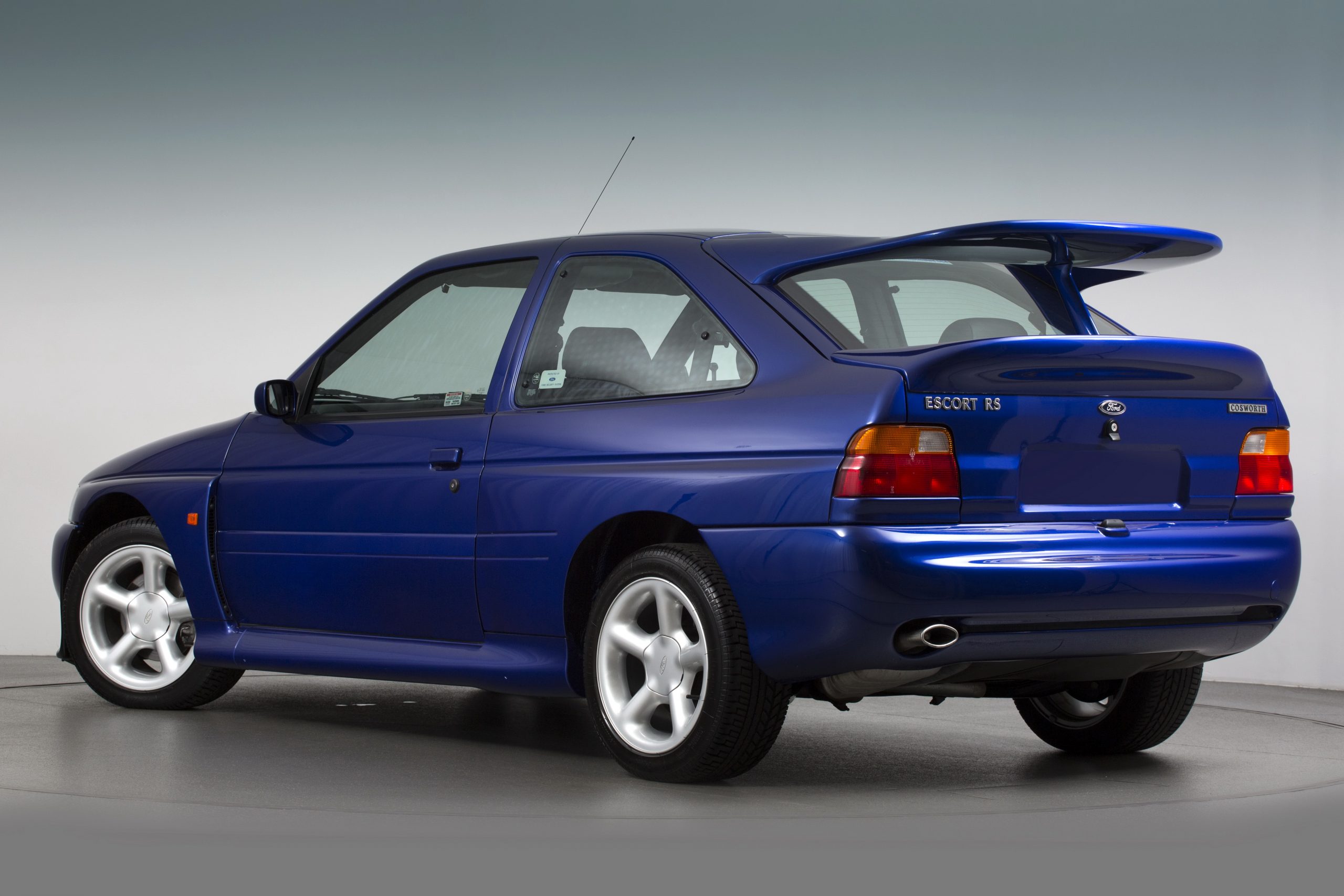
At least in Great Britain, different versions of “Ford Sierra Cosworth” especially attracted the thieves or the immatures, who were always planning how to meet the girls and go to them with someone else’s car on Friday night.

Ian Callum and Peter Horbury managed to create one of the most outstanding automobiles of the 1990s “Ford” brand cars and this vehicle received many compliments even from the famous Jeremy Clarkson.

ASTON MARTIN DB7

This car received criticism due to many things, for example, poor dynamic properties, terribly working comfort system or disgusting quality of an assembly. However, “Aston Martin DB7” was always praised due to its elegant, very sexy body lines.

A sleek-shaped “Aston Martin DB7” was introduced in 1994 and if we take a look at the range of modern “Aston Martin” models, we would see that the proportions of the main 2+2 coupe barely changed. A long wheelbase, sloping rear, and a long bonnet. These are the three main factors that assist in creating the “Aston Martin” coupe.

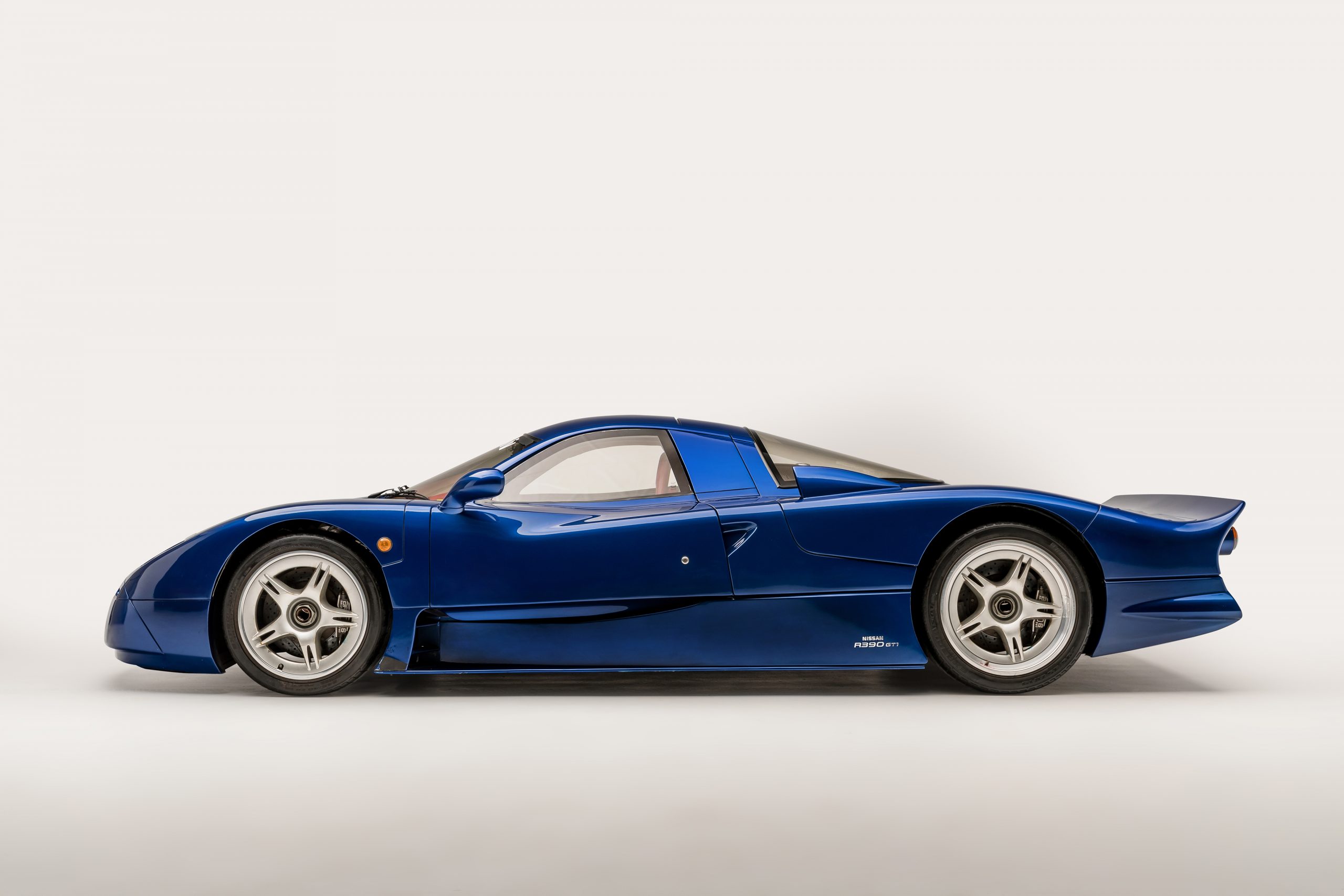
NISSAN R390

Ian Callum has worked for “Jaguar” for many years but before the main transformation of “Jaguar” and “Land Rover” vehicles, the British designer also persistently guided other projects of other car manufacturers.
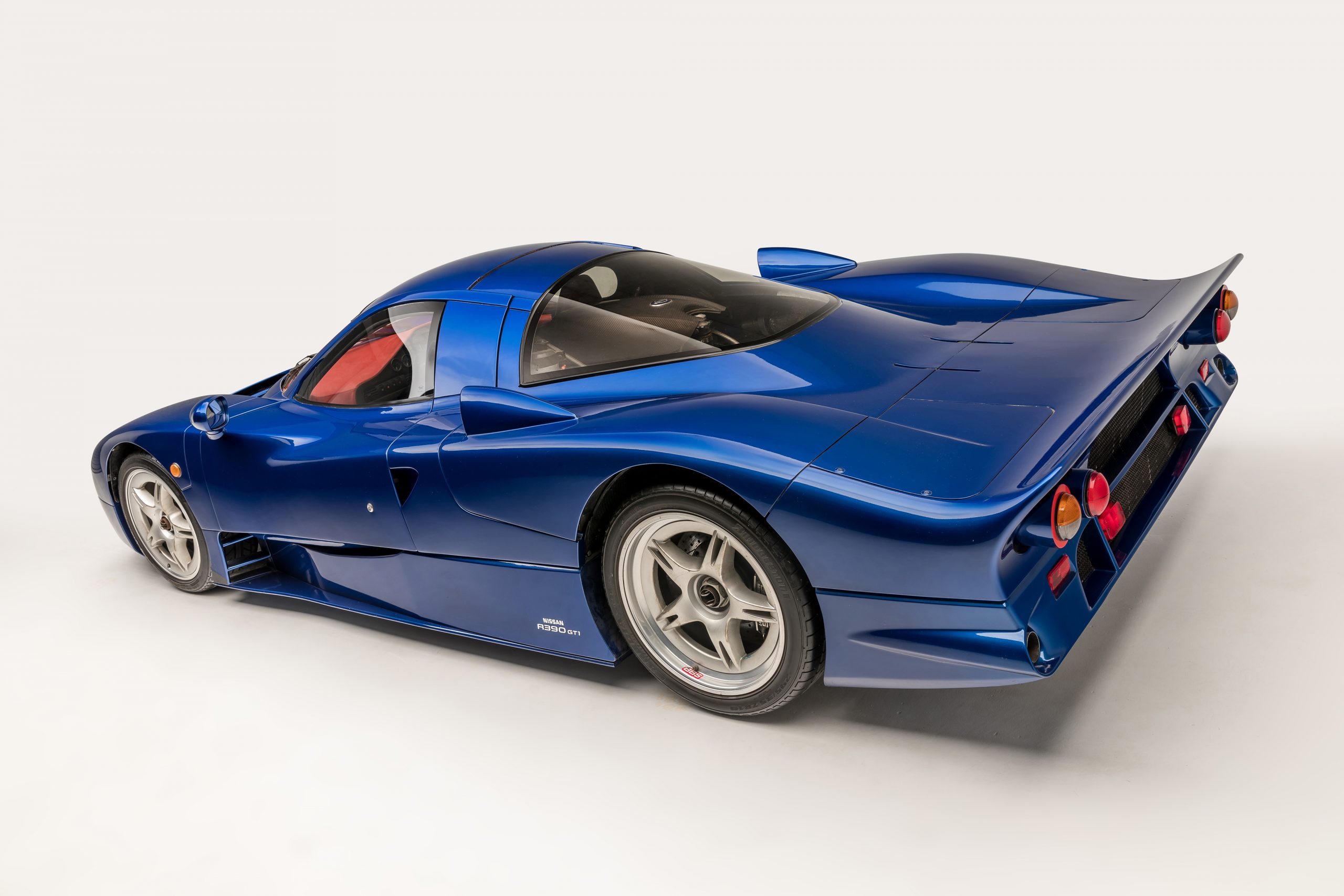
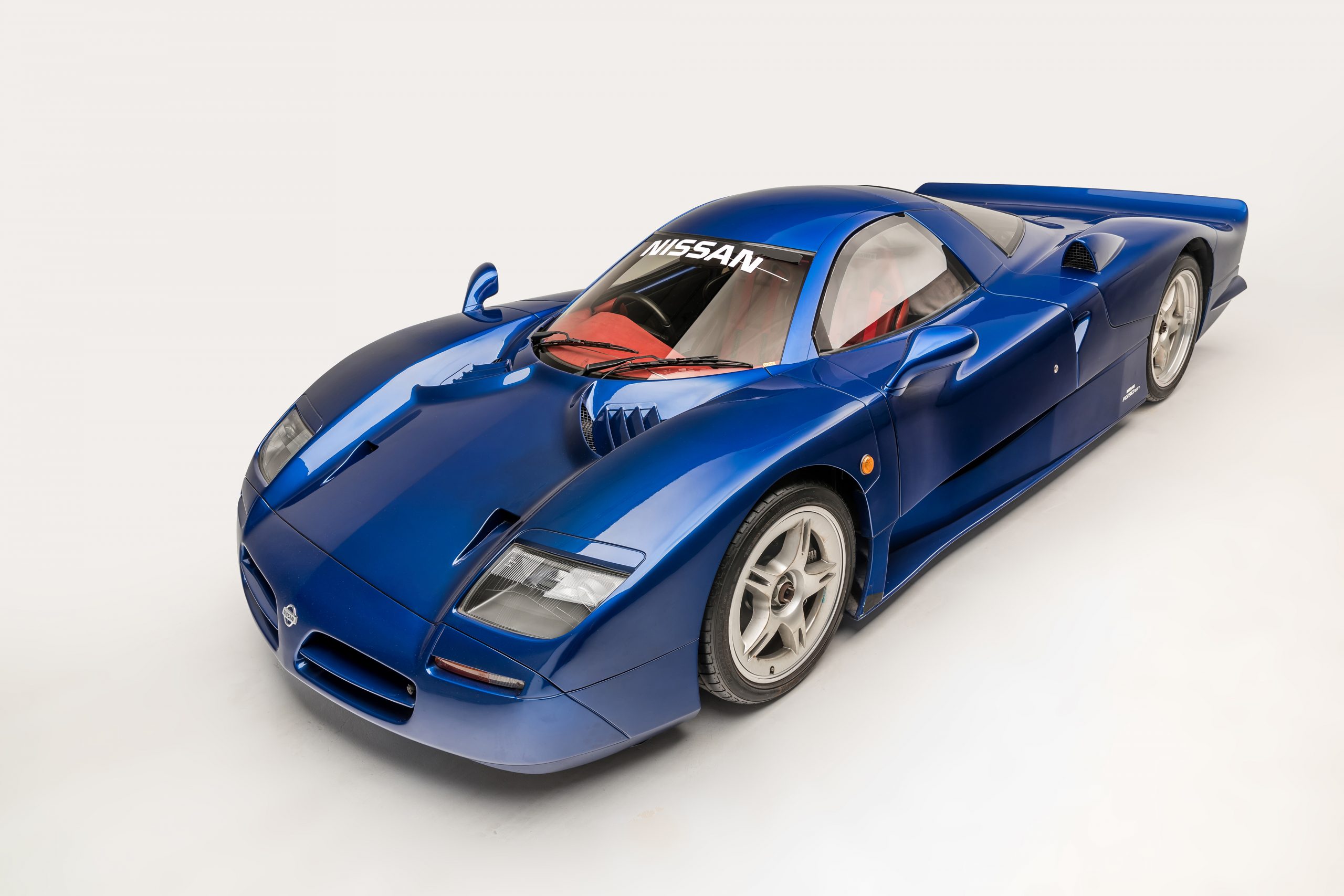
Ian Callum was the person who was responsible for the creation of a very ambitious “Nissan R390” supercar.

This special car was built for autosport racing competition and constructed in the workshops of “Tom Walkinshaw Racing” where Ian Callum was also working at a time.

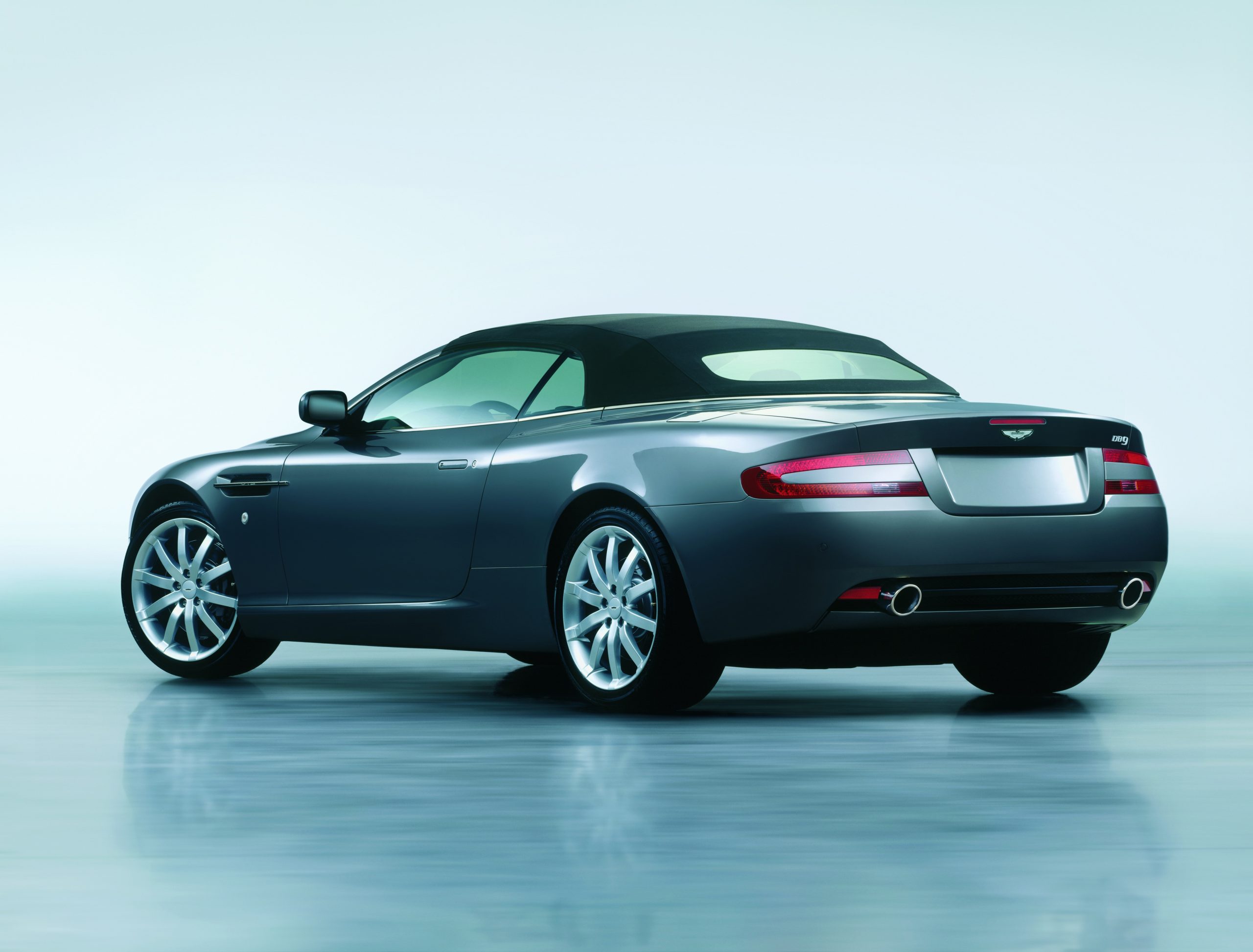
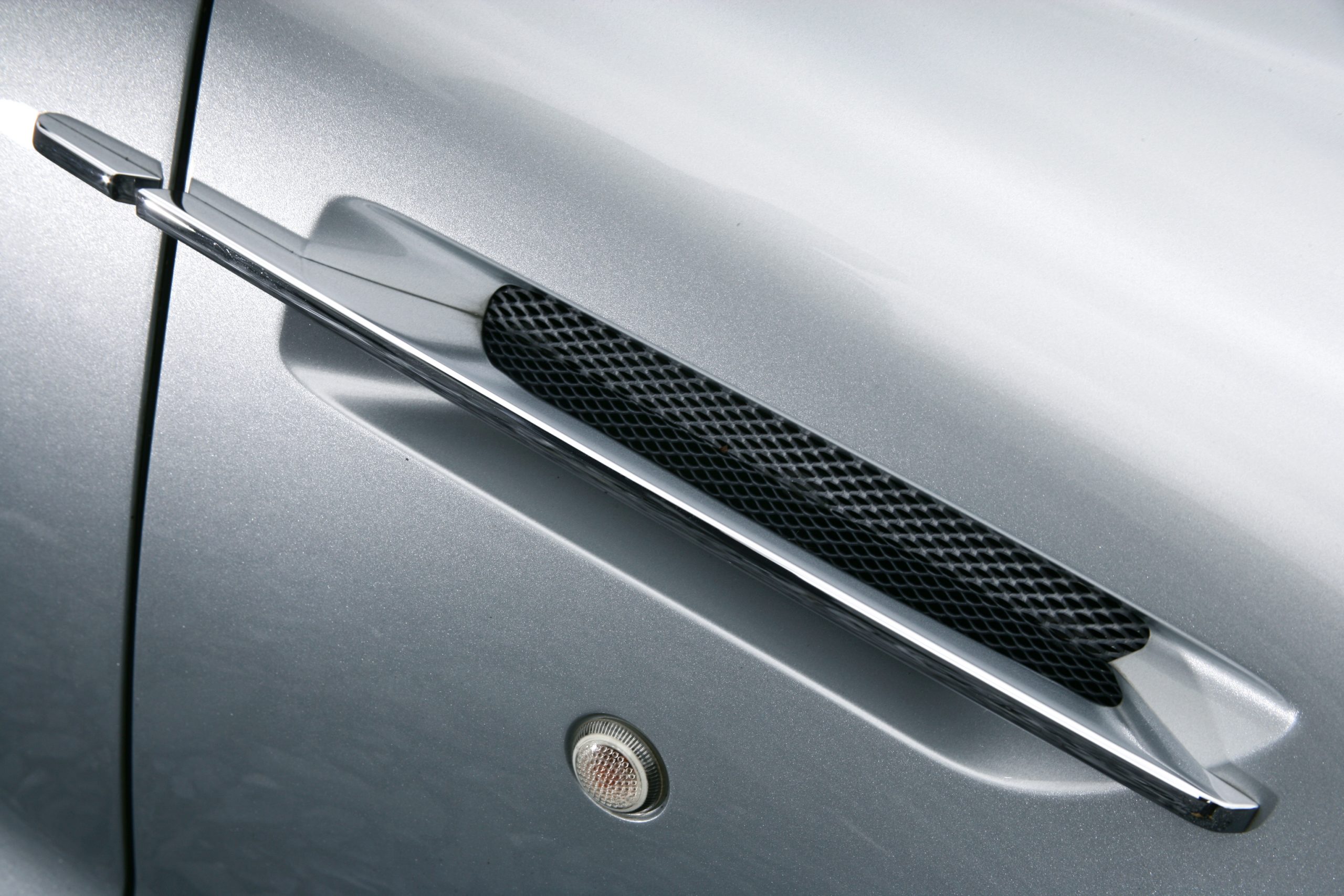
ASTON MARTIN DB9

The car which from the very first day was considered as “Future Classic”. It is just a stunning example of car design.
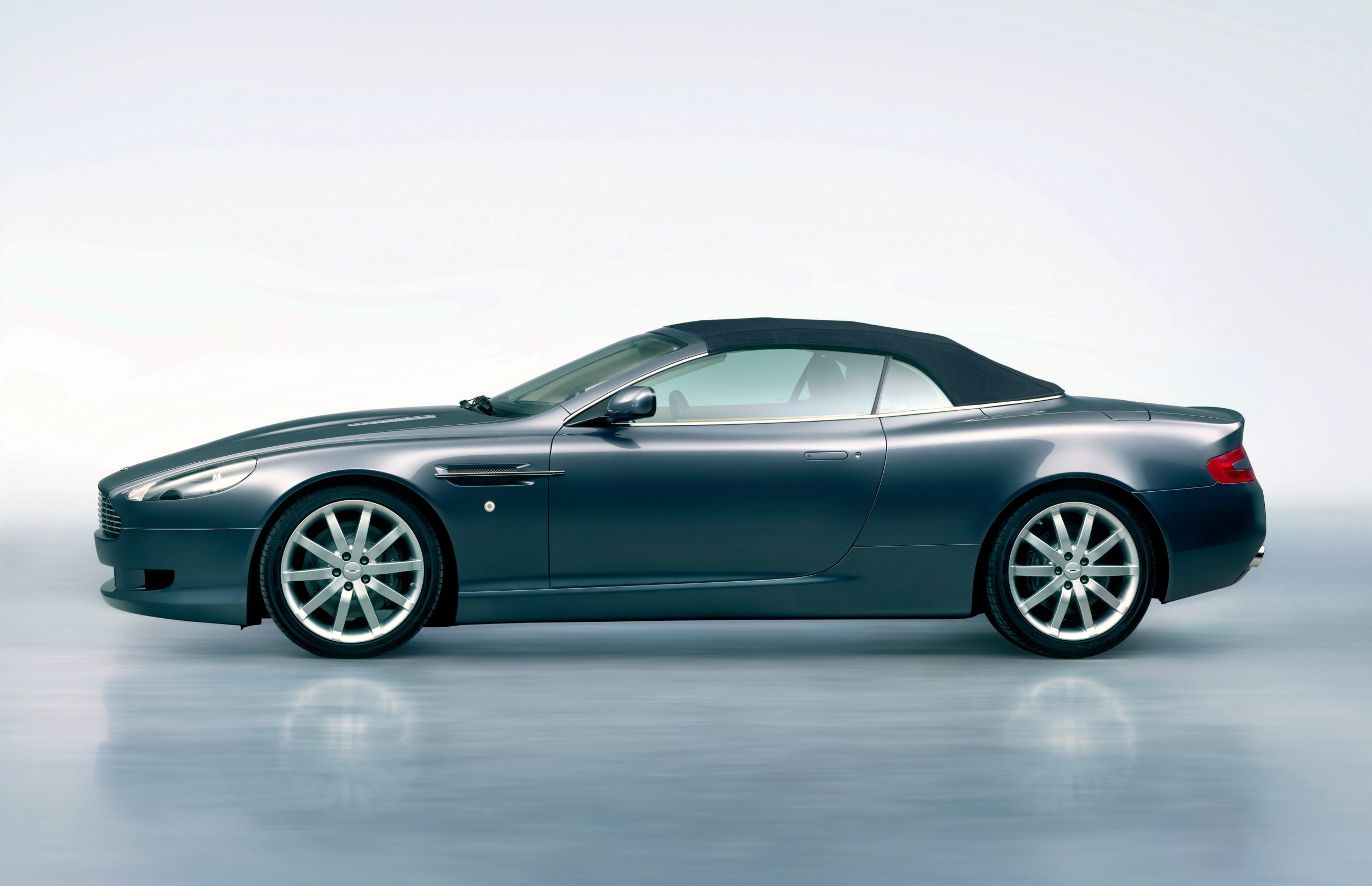
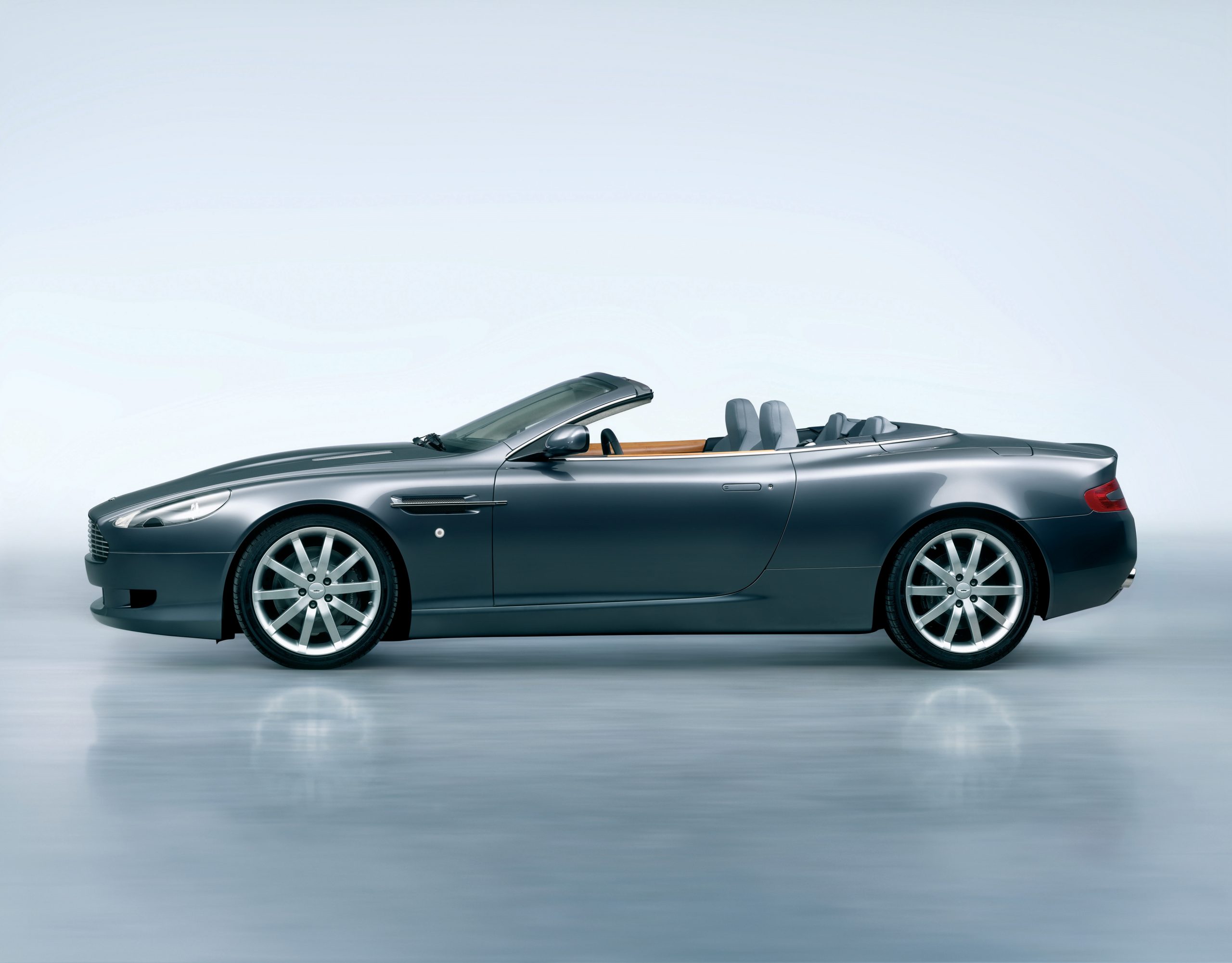
Some sources specify that Marek Reichman and Henrik Fisker are responsible for the creation of “Aston Martin DB7” successor – “DB9”. However, Ian Callum claims, that the original design of “DB9” was created by himself.

JAGUAR XJ

For many years, “Jaguar XJ” has reflected the romantic side of Great Britain. Especially, the arrogant aristocrats, old-fashioned worldview, and the desire to have a cup of tea every ten minutes.

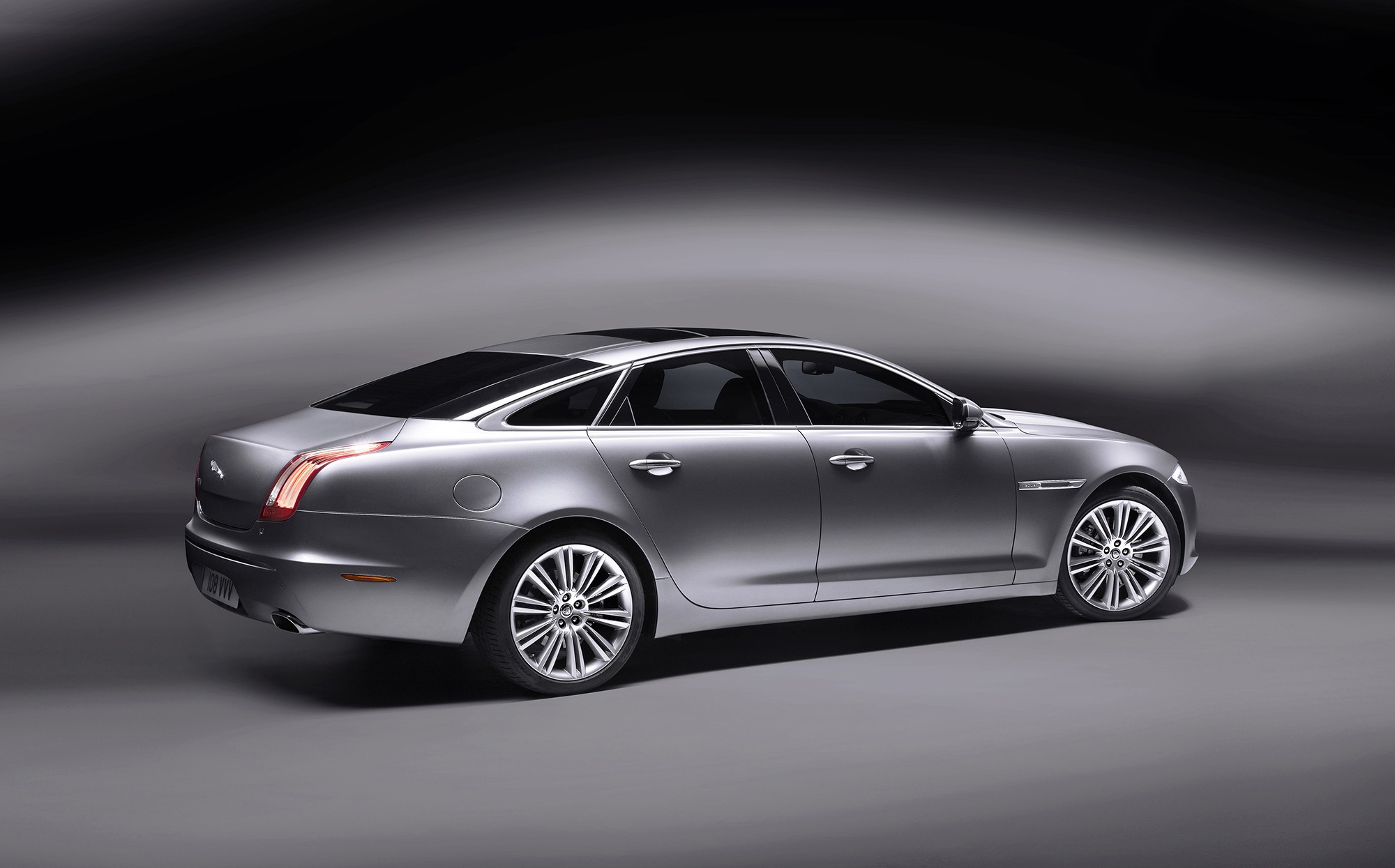
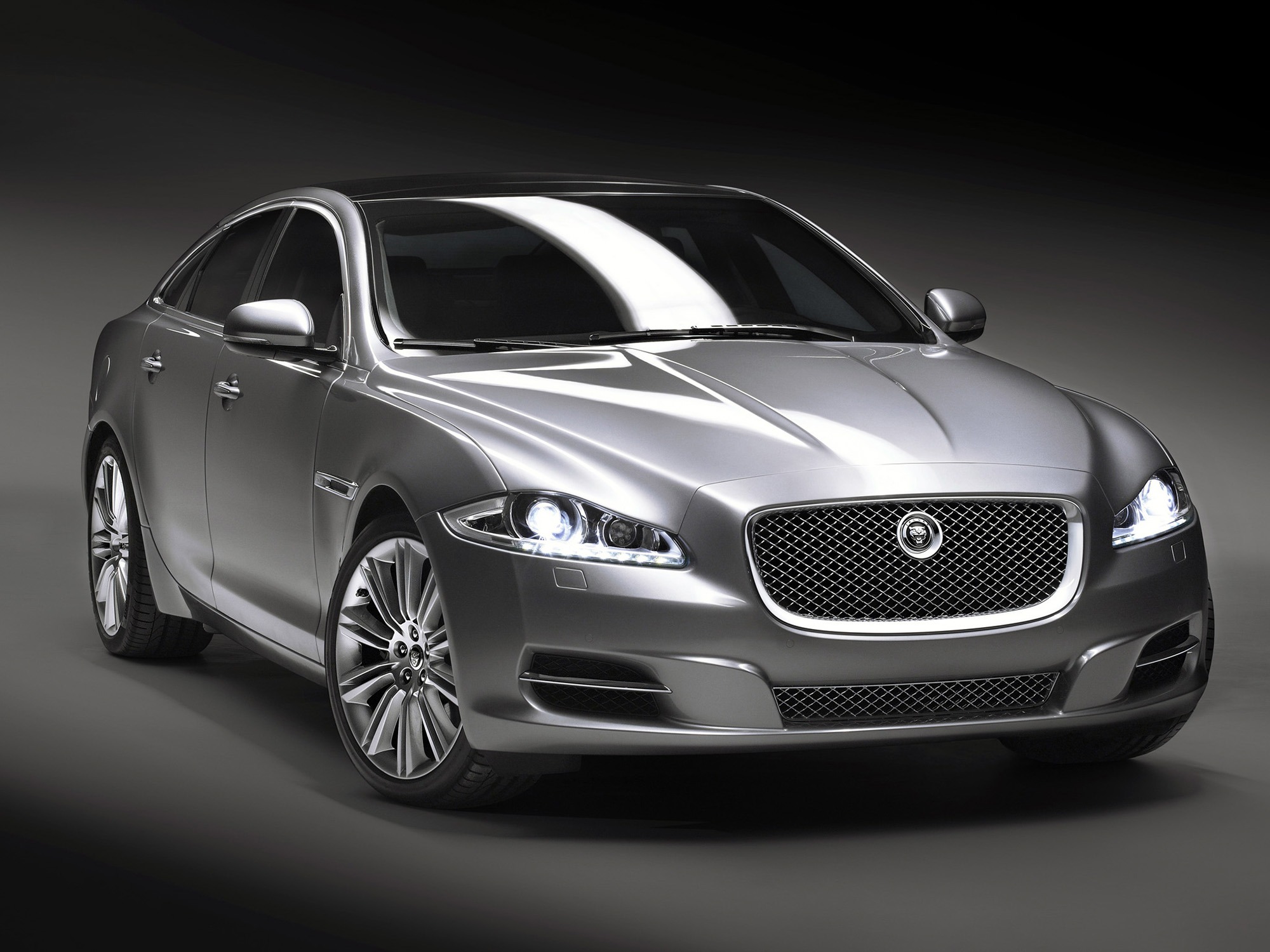
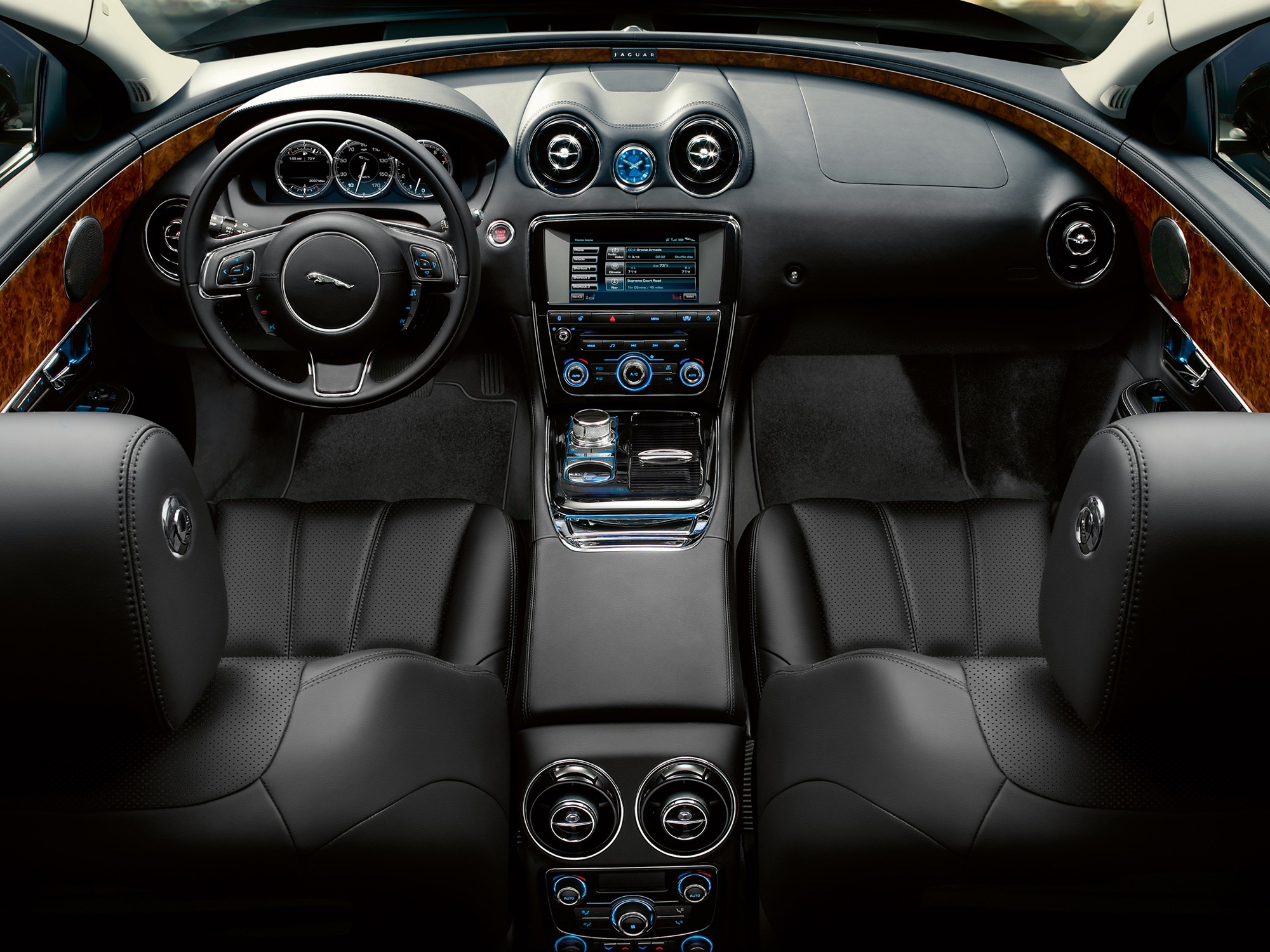
Meanwhile, in 2010 Ian Callum silenced the critics by bringing “Jaguar” to the so-called modern age.
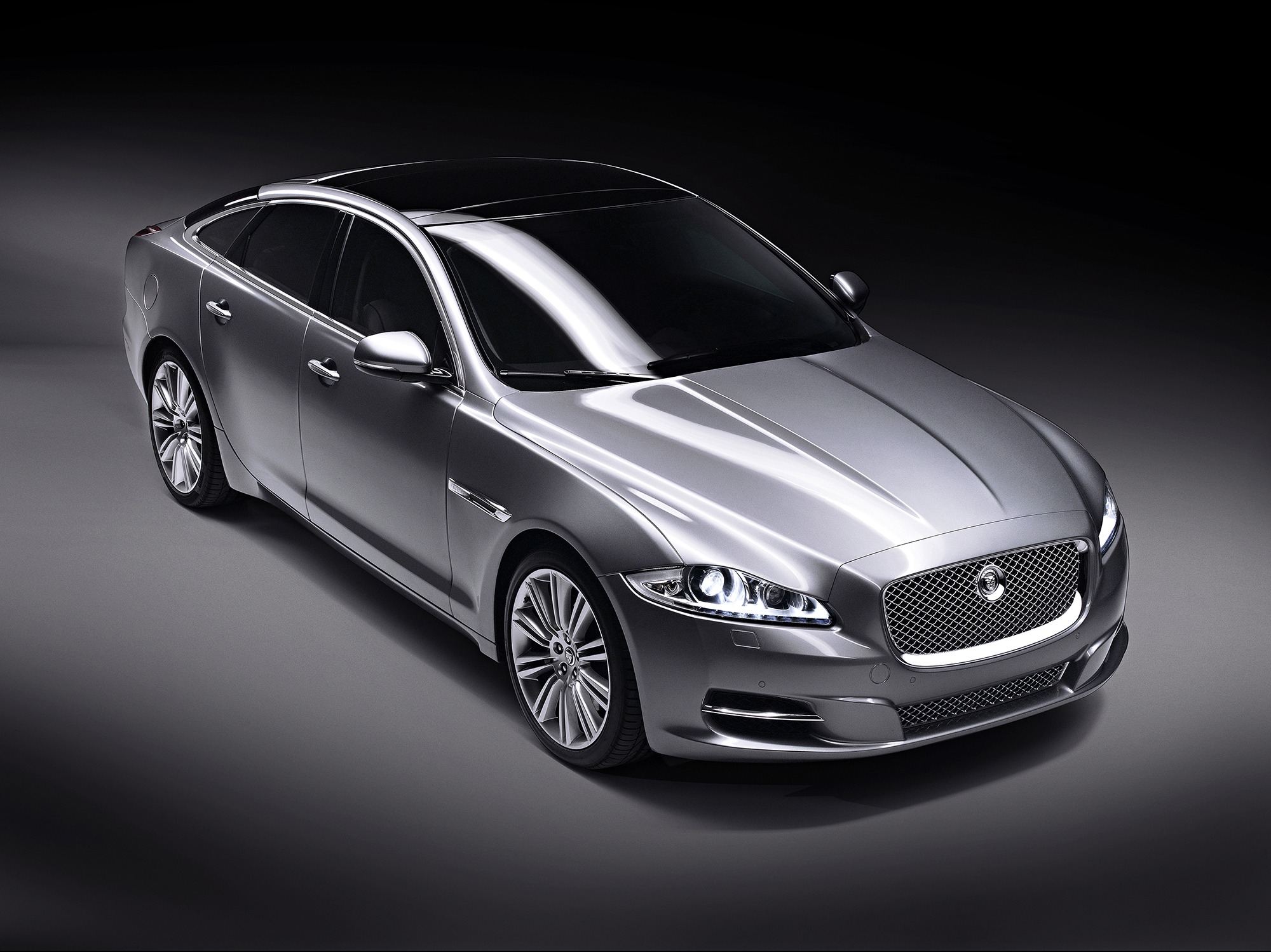
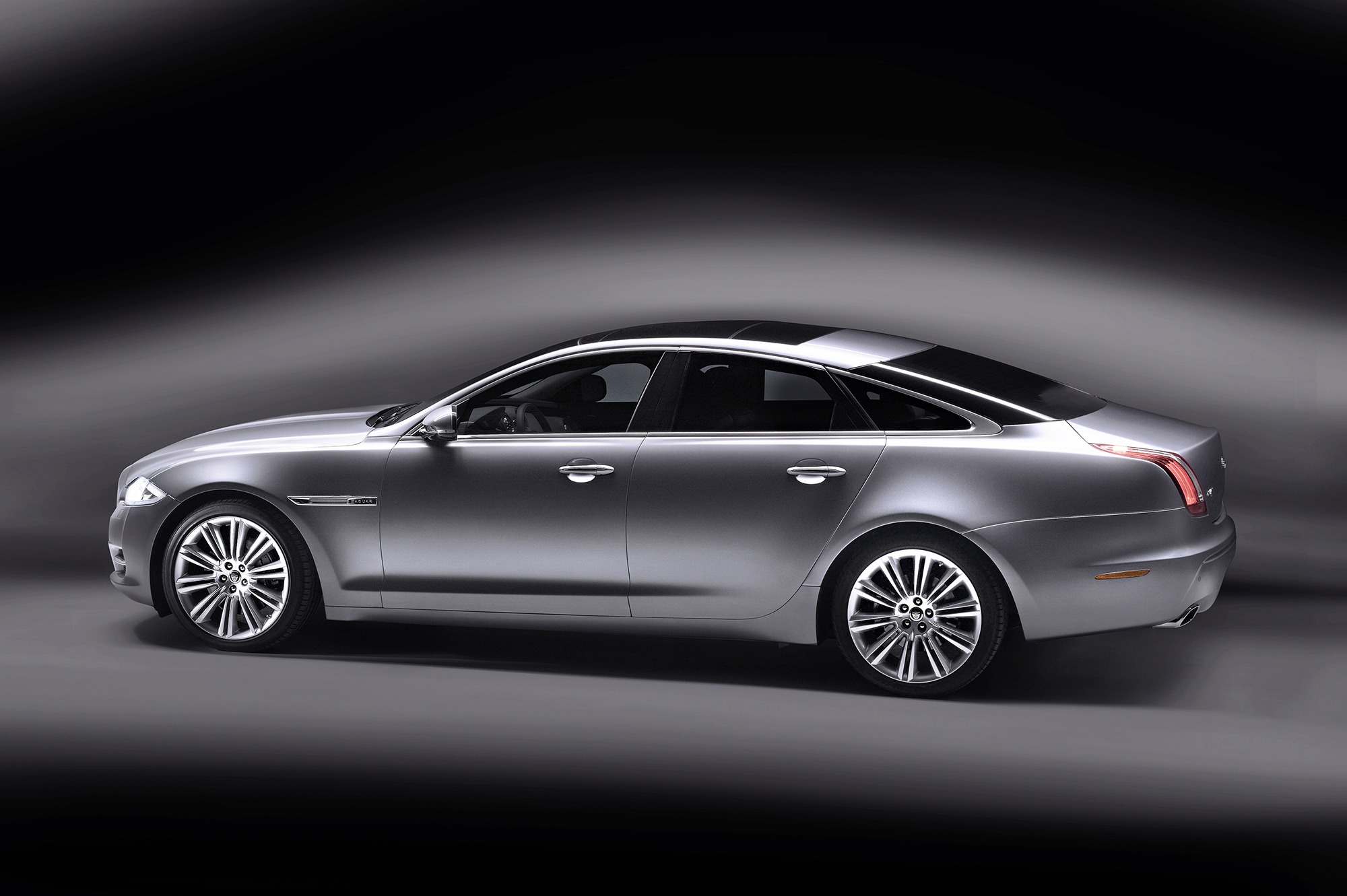
In 2010, a new generation of the “Jaguar XJ” model was introduced which, frankly, looked just phenomenal. Also, for the first time in the history of “Jaguar XJ” the British sedan was equivalent to analogs from Germany. Especially, in terms of the quality of an assembly and technological innovation.

JAGUAR C-X75

The lost opportunity. With this spectacular, breathtaking prototype, “Jaguar” sought to demonstrate that the British want to re-enter the club of supercars, where dominate brands like “Ferrari”, “Porsche” or “McLaren”.

When taking a look at this car, two things bring attention: the technologies used in the car and its design.

The conceptual version of the model had not one but two gas turbines and four electric motors, which together could reach 789 HP. Meanwhile, the fully functional prototypes had a 900 HP hybrid drive, which helped to reach the maximum speed of 320 km/h, could go from 0 to 100 km/h in approximately 3 seconds, and go for 50 kilometers using only the electric motor.

Now let’s talk about the car design. This year the concept of “Jaguar C-X75” marks the 10th anniversary. Precisely in 2010, the two-seater, having an exclusive appearance concept of this model was introduced in Paris Motor Show.

According to the original idea, Ian Callum planned to make 250 examples of the “C-X75” model.

JAGUAR F-TYPE

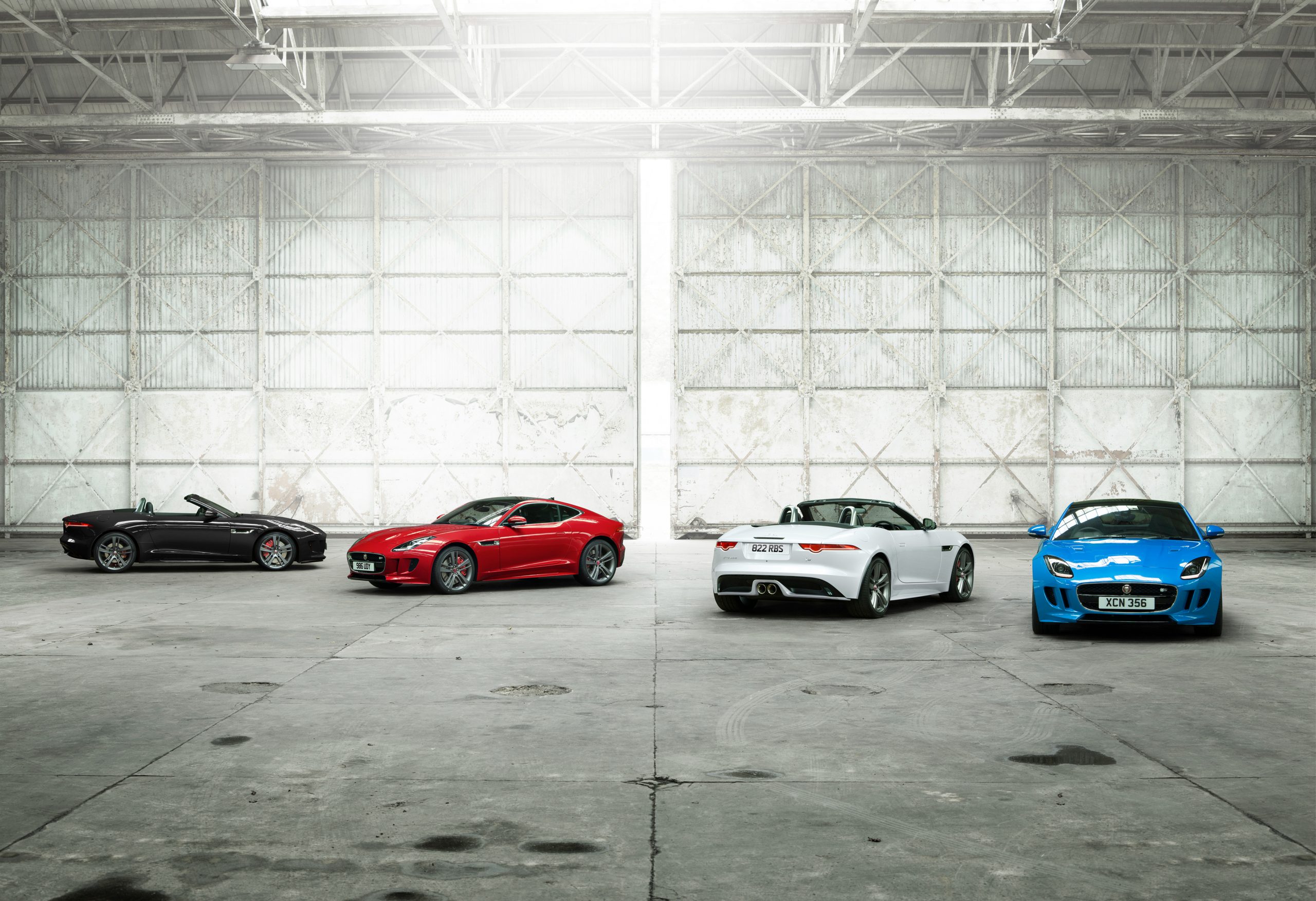
“Jaguar E-Type” is one of those models, which is considered as one of the most beautiful cars. That is why when “Jaguar” announced that the manufacturer is going to create an indirect successor of this car – many people held their breath. And not in vain.

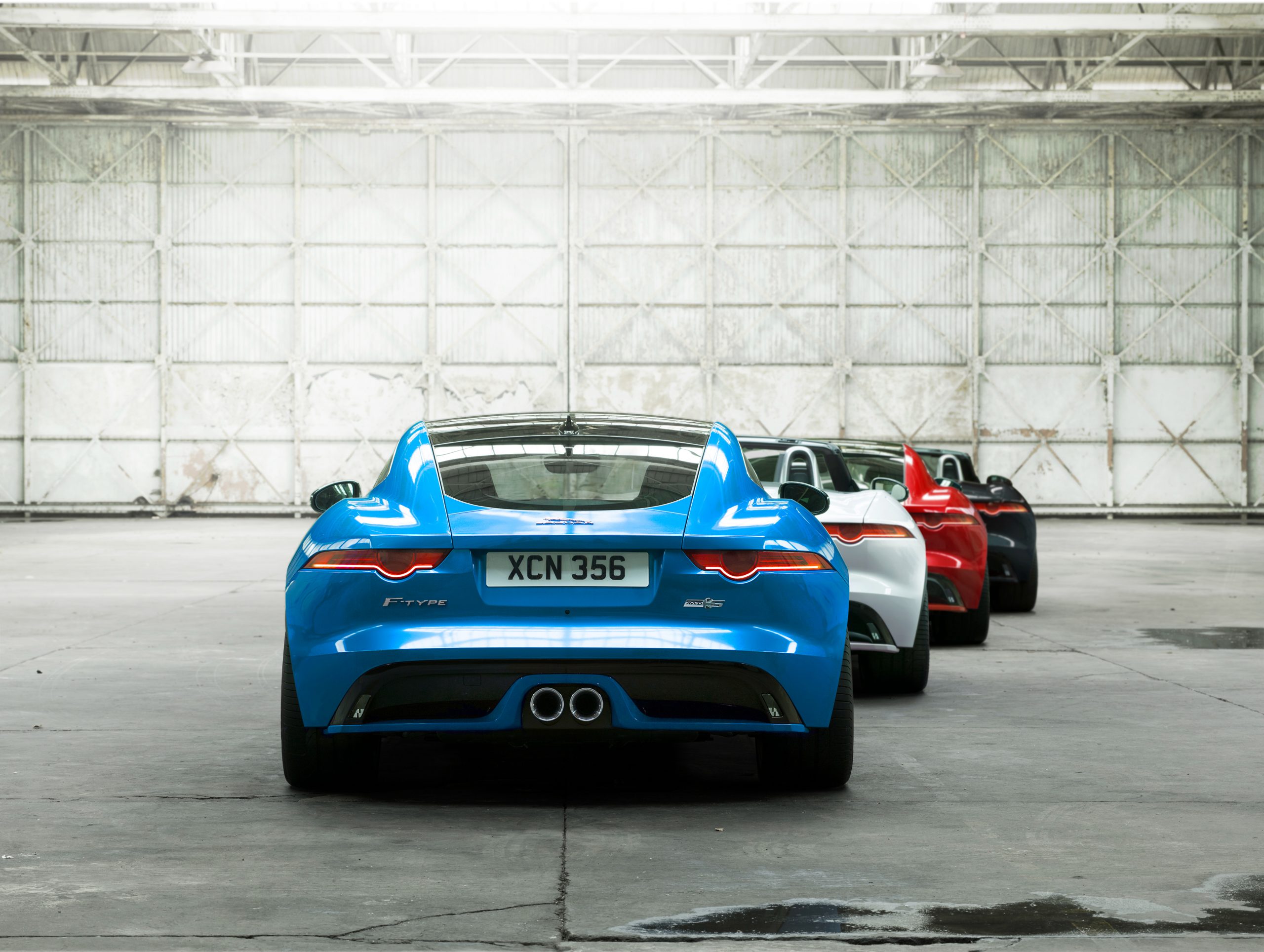
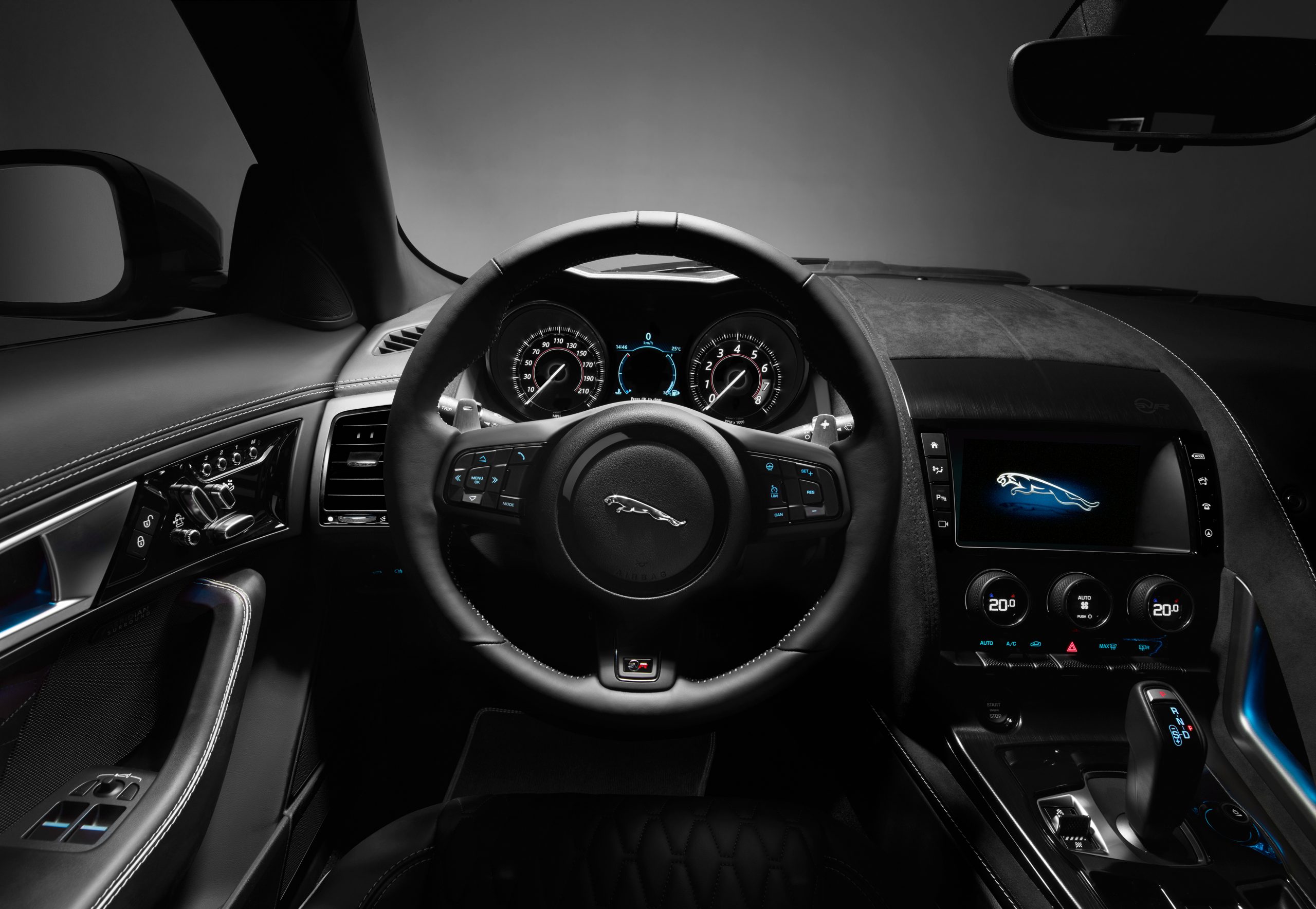
The team led by Ian Callum managed to create presumedly the most beautiful car in its class. “Jaguar F-Type”, which was demonstrated for the first time in 2013, even nowadays looks like it showed up for the world just yesterday.

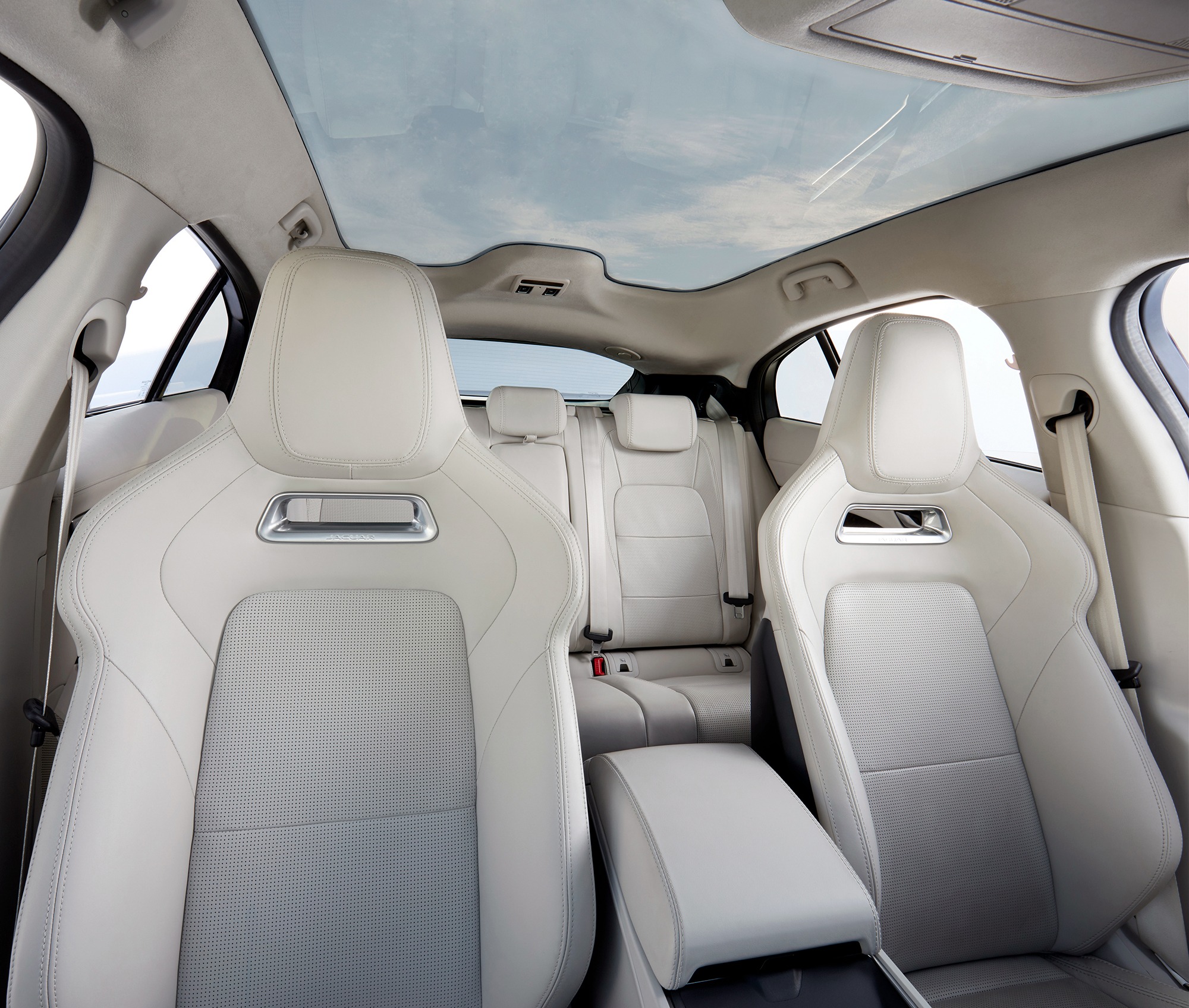
JAGUAR I-PACE

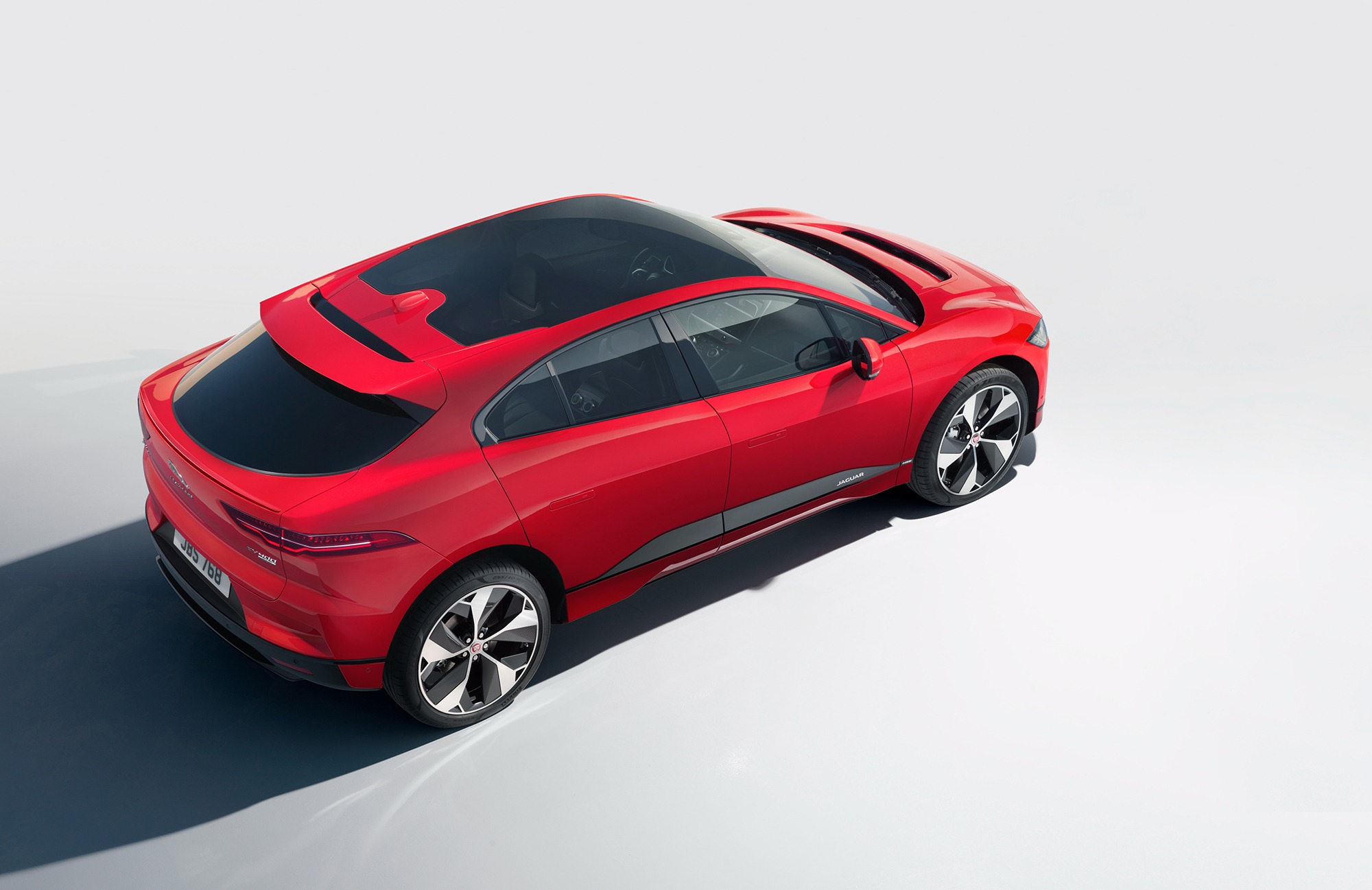
Who could have thought that “Jaguar”, which had an image as an aristocratic and old-fashioned car manufacturer, would be able to astonish the world with its electric vehicle “I-Pace”. It was, probably, the first high-end class electric car, which was designed and made in Europe.
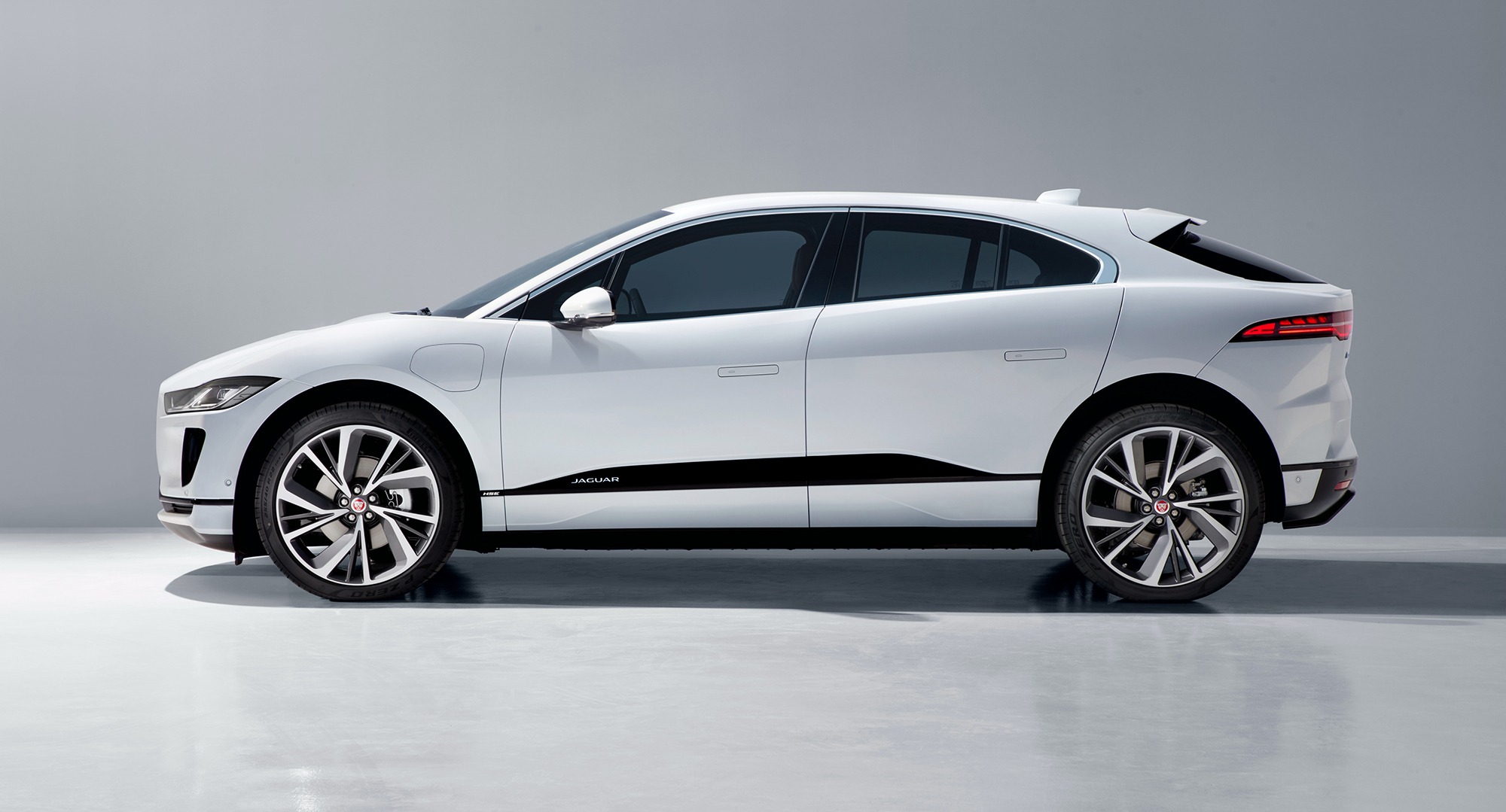
The first attempt to enter the electric vehicle market was not only good-looking but, also, recognized by the experts of the automotive industry.

In 2019, this car won two prestigious awards: “European Car of the Year” and “Car Design of the Year” in the “World Car Awards”.
VIDEO

FOLLOW OUR YOUTUBE CHANNEL
BACK STORY

First 4WD cars

A four-wheel drive (4WD) system is a very important attribute of cars nowadays. Especially for people who live in remote locations or for those who are eager to drive a car capable of ensuring the maximum grip no matter what weather conditions are.

Many car manufacturers could distinguish the advantages of the four-wheel-drive system, especially, “Audi”, “Lancia”, “Subaru” or “Mitsubishi”. At some point, due to the 4WD system, these manufacturers were able to crush their opponents in World Rally Championships. However, today we would like to share with you about the very first cars which were equipped with such a system.
The forgotten

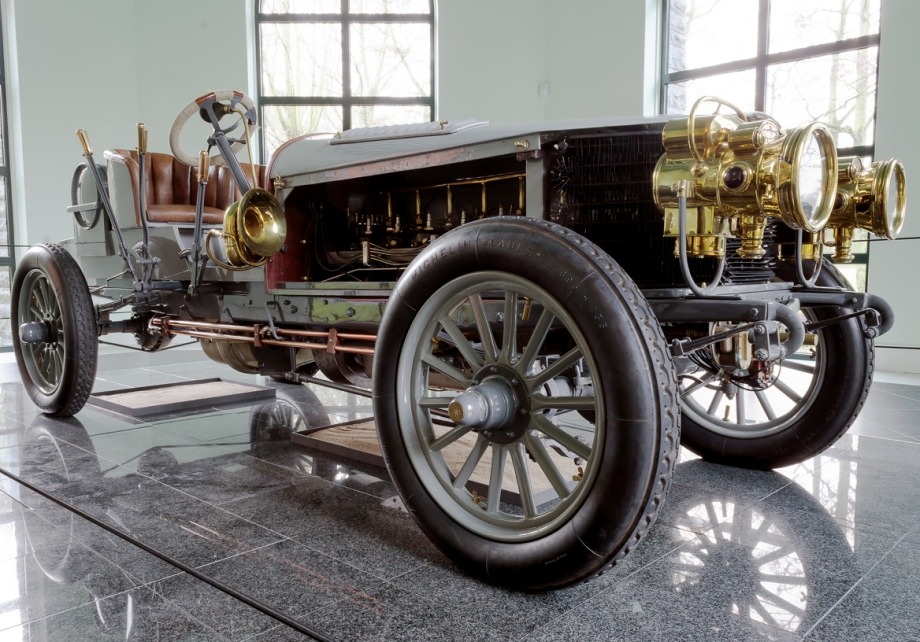
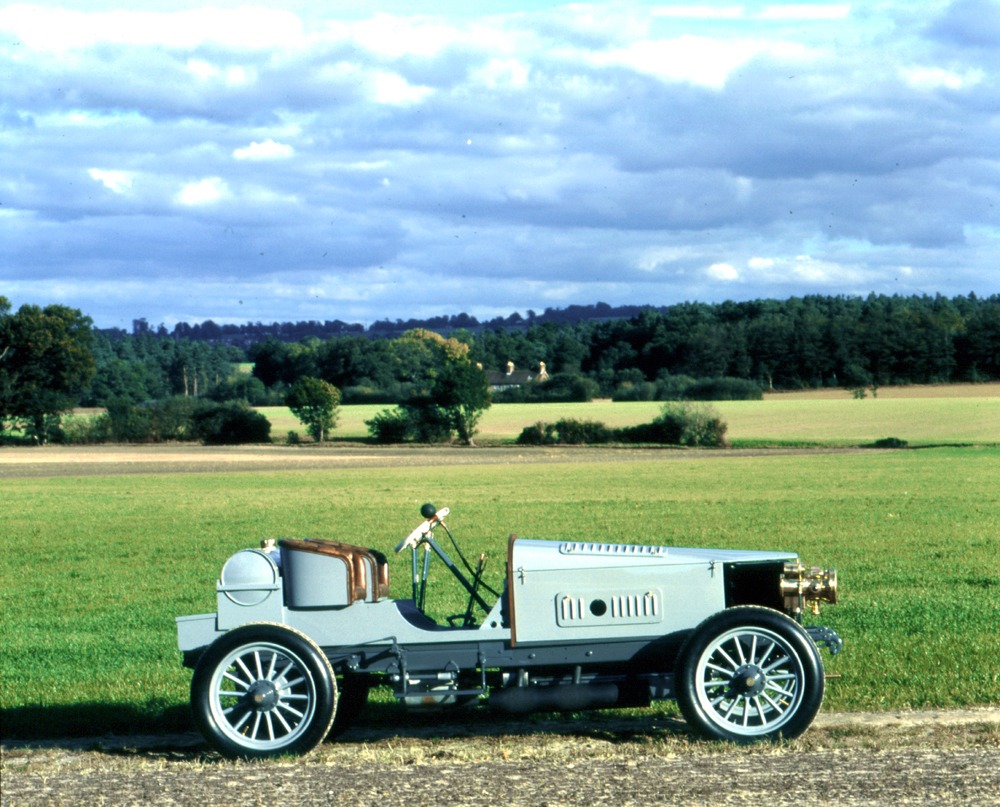
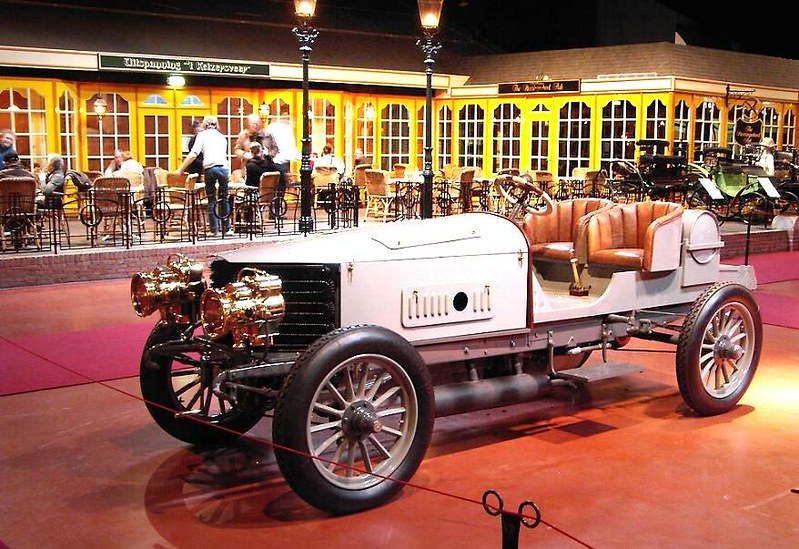
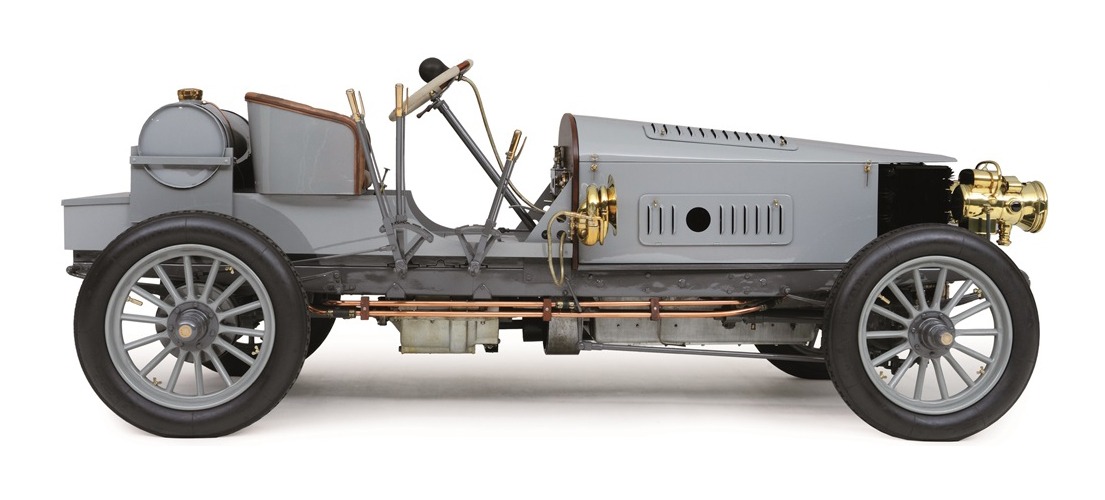
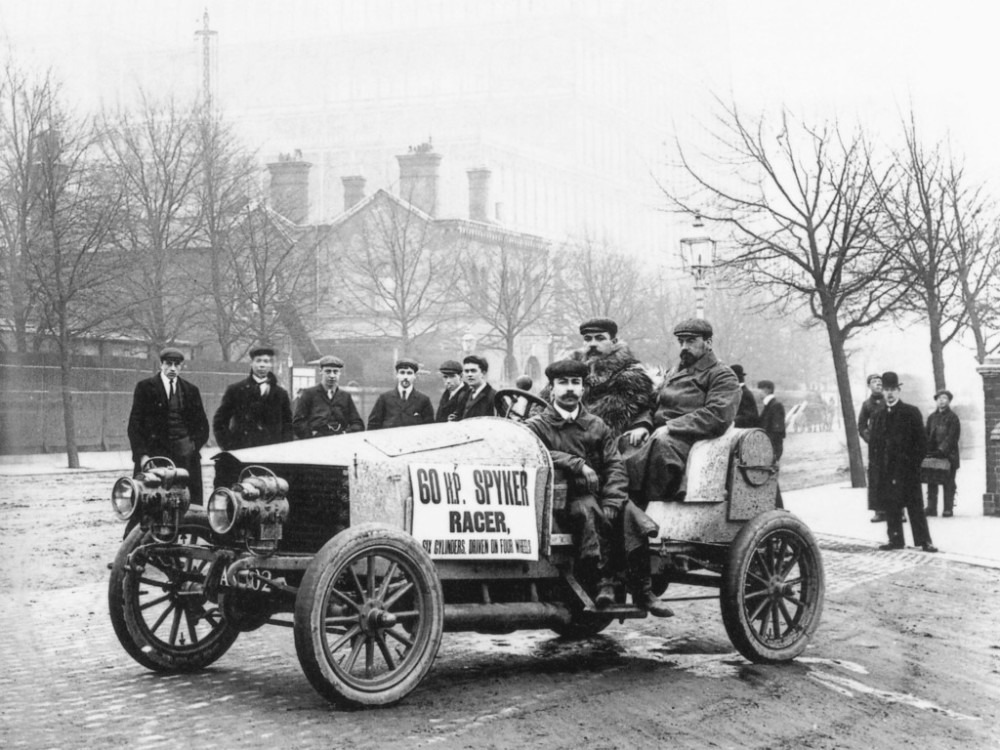
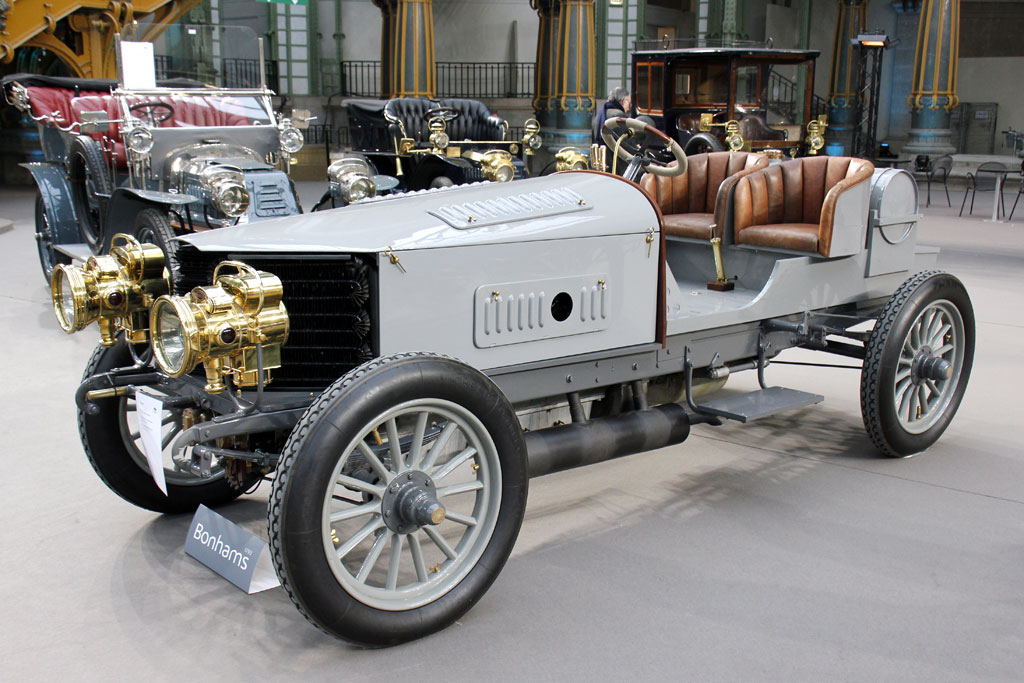
The references to the vehicle having 4WD can already be found in the late XIXth century when the very first car was invented. However, to find the real pioneer of this 4WD system, we eventually ruled out all sorts of experiments which included the steam or the electric engines. Thus, the actual 4WD system was first introduced in a modern car produced by an automobile company called “Spyker”.

The latter was a two-seater sports car “Spyker 60HP”, which, at that time, differed from other vehicles due to its many features. For example, it was the first car to have a six-cylinder gasoline engine or the brake system which applied the braking force on all four wheels. However, the most thrilling innovation was a 4WD system.
The original plan of the Dutch manufacturer was to introduce this new model in the “Paris-Madrid” race, but due to various reasons, the very first cars were produced only in December 1903. Since “Spyker 60HP” could not participate in a long and difficult marathon, later this model competed in various sprint races, where it showed its advantages against other 4-wheeled competitors.

Served in the army

As you know, the first car having a 4WD system was produced by “Spyker”. But the American company “Four Wheel Drive Auto Company”, established in 1908, managed to adapt 4WD in mass production. Particularly, this company was producing 2 and 3-tonne lorries for the American and British armies during the First World War.

All-wheel-drive vehicles were exclusively used in the army till 1930, but then the “Marmon-Herrington” company came up with an idea. The engineers of this company designed a four-wheel-drive pickup truck and lorry (both of them were built using “Ford” chassis). At first, this lorry was offered to the army, later for civilians. It did not take long for “Marmon-Herrington” designed lorry to become very popular in the oil industry, where the requirements for the vehicles in operation were very strict. However, not every oil well was reached by such a vehicle, especially the ones which were in remote areas.

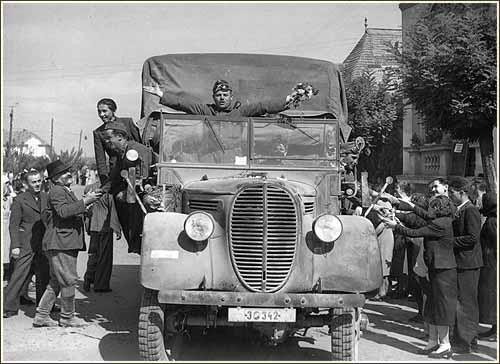
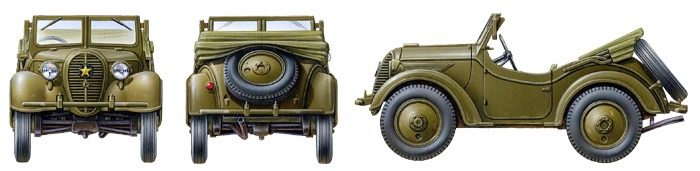
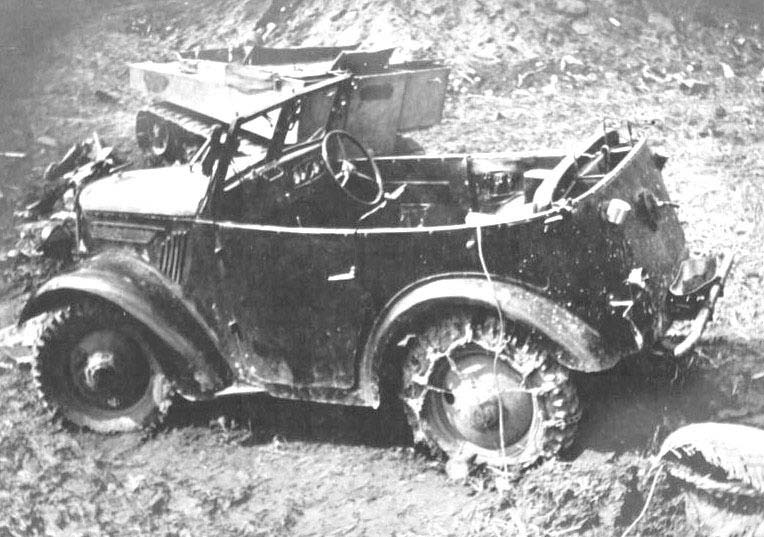
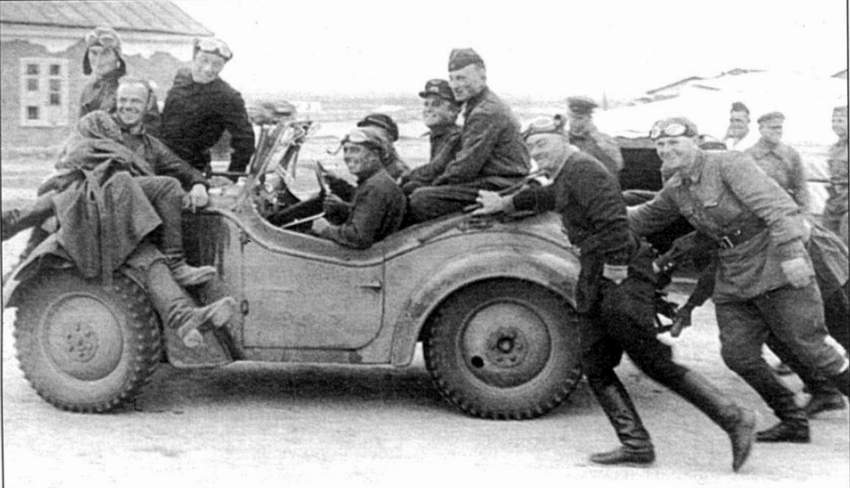
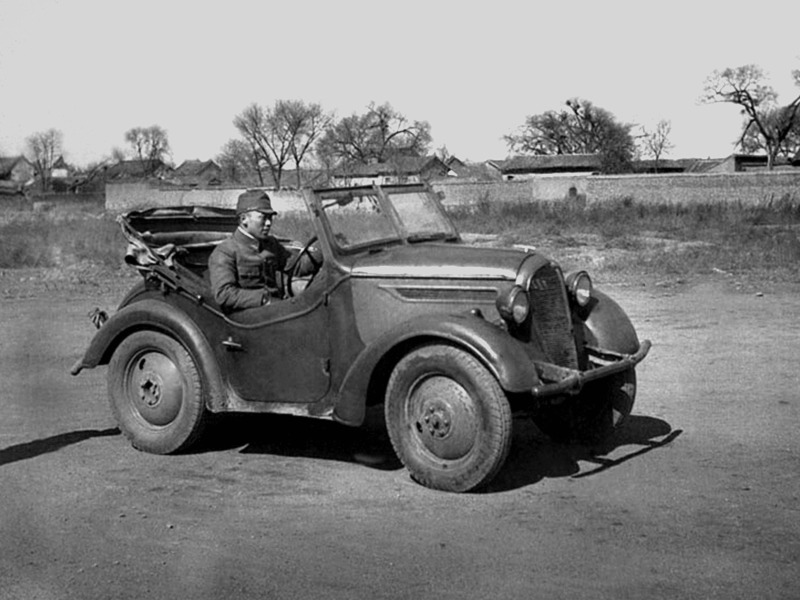
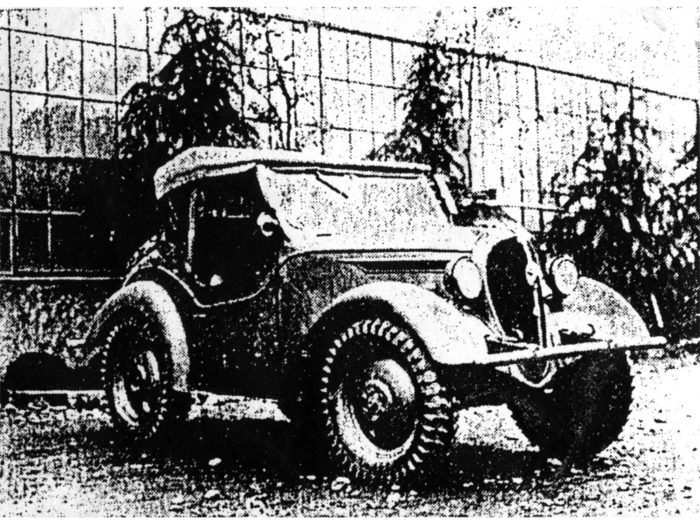
Once a 4WD system has become more and more popular among the lorries and other heavy machinery, finally, the 4WD system was implemented in a mass-produced car. It was a Japanese automobile “Kurogane Type 95” which saw daylight in 1936.

At first, this compact roadster (or pickup truck or four-door sedan) was dedicated only for high-ranking military officers, but soon enough the civilians were allowed to purchase “Kurogane Type 95” too as it became an additional source of income.

“Kurogane Type 95” was considered a pioneer of the automotive industry in a particular way. However, the Americans who were the winners of the Second World War took all glory for 4WD with their compact “Jeep”. The latter became an icon and a symbol of WW2 and during this conflict, there were more than a million units made of “Jeep” vehicles.

After the victory in WW2 and enhanced influence of the USA in the world, the “Jeep”, which had just been transporting the troops, soon was adapted for usage on the regular roads. The first “CJ-2” and the second “CJ-2A” models were phenomenal.

Inspired by Jeep's success

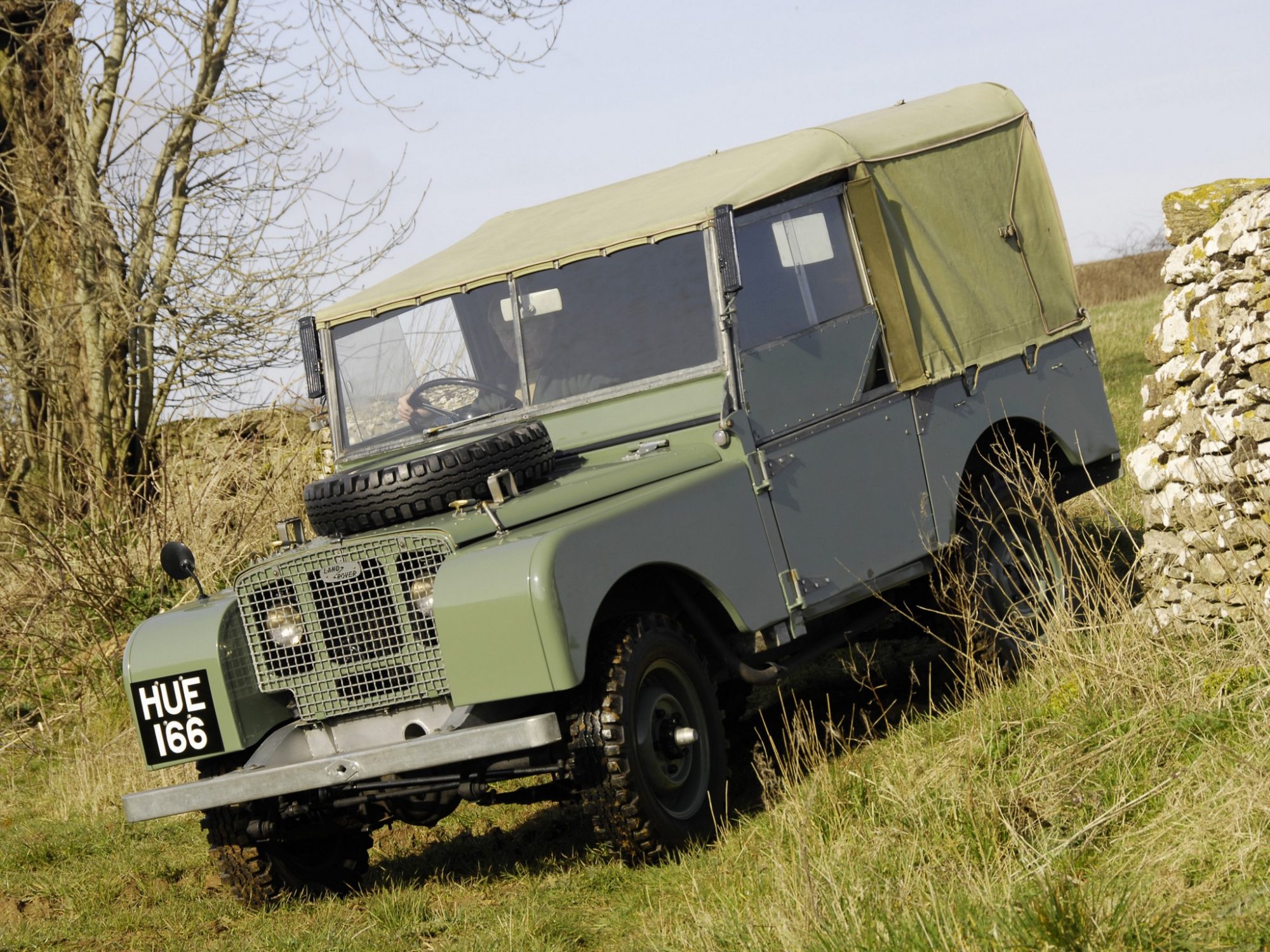
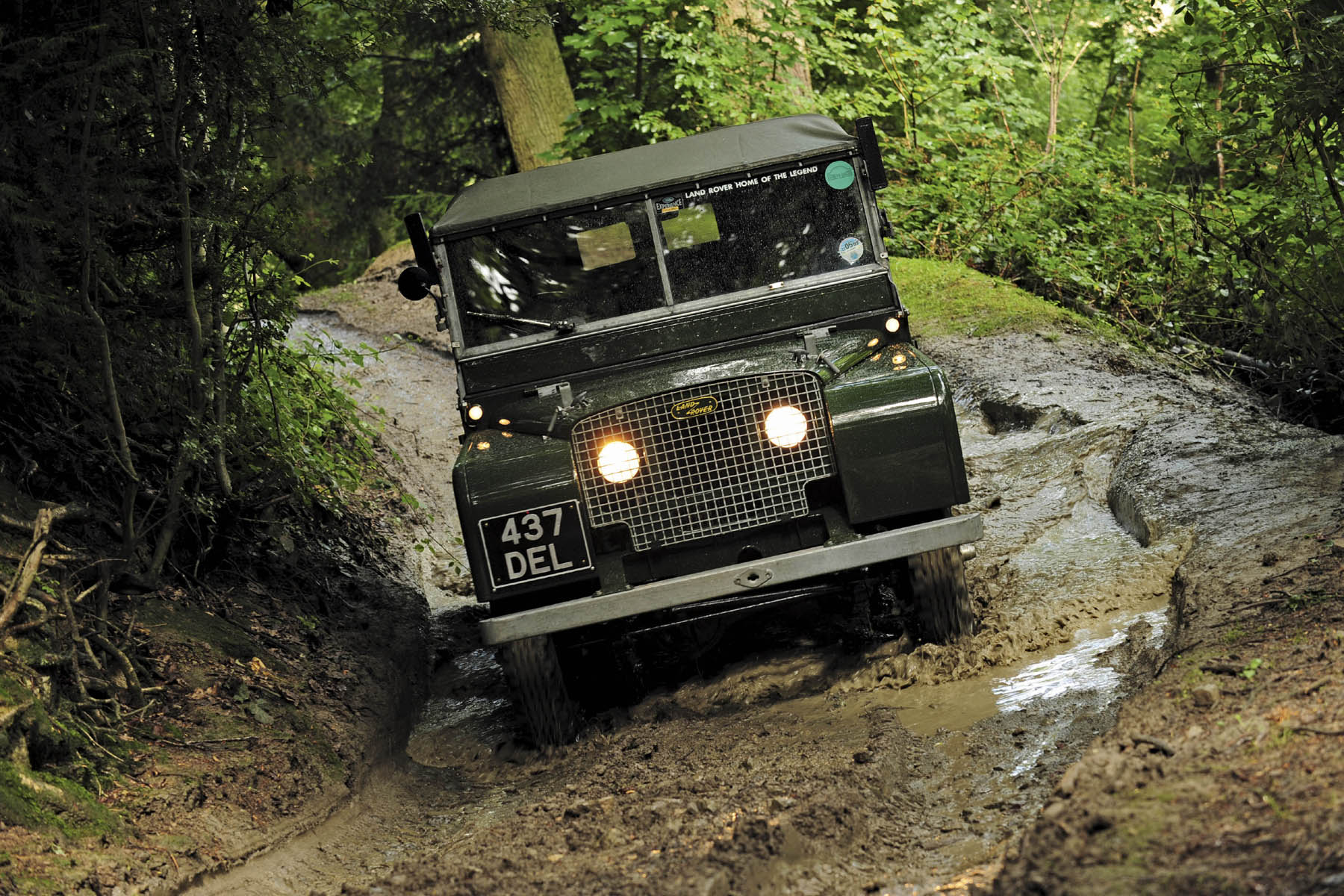
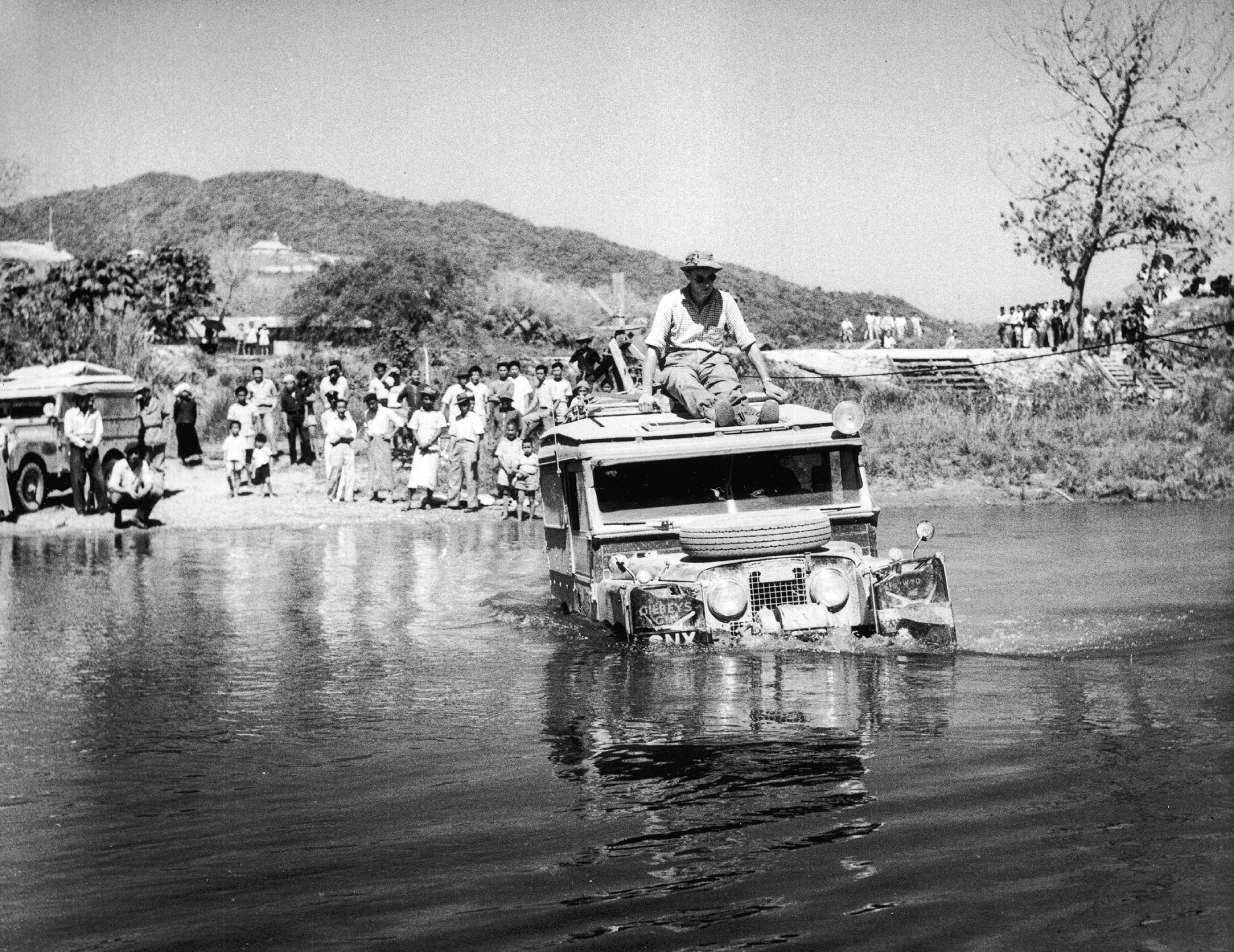
American “Jeep” became a real inspiration for other automotive companies. One of them was the British “Land Rover”. Its designer Maurice Wilks using his own original “Jeep” vehicle on his farm truly believed that he could develop a much better version of “Jeep” for the war-torn country.

Since the resources within the country were limited, the designer developed the first “Land Rover” vehicle using solid steel and aluminum. The choice of aluminum was made because it was cheap and easy to get since aluminum was widely used in aviation.

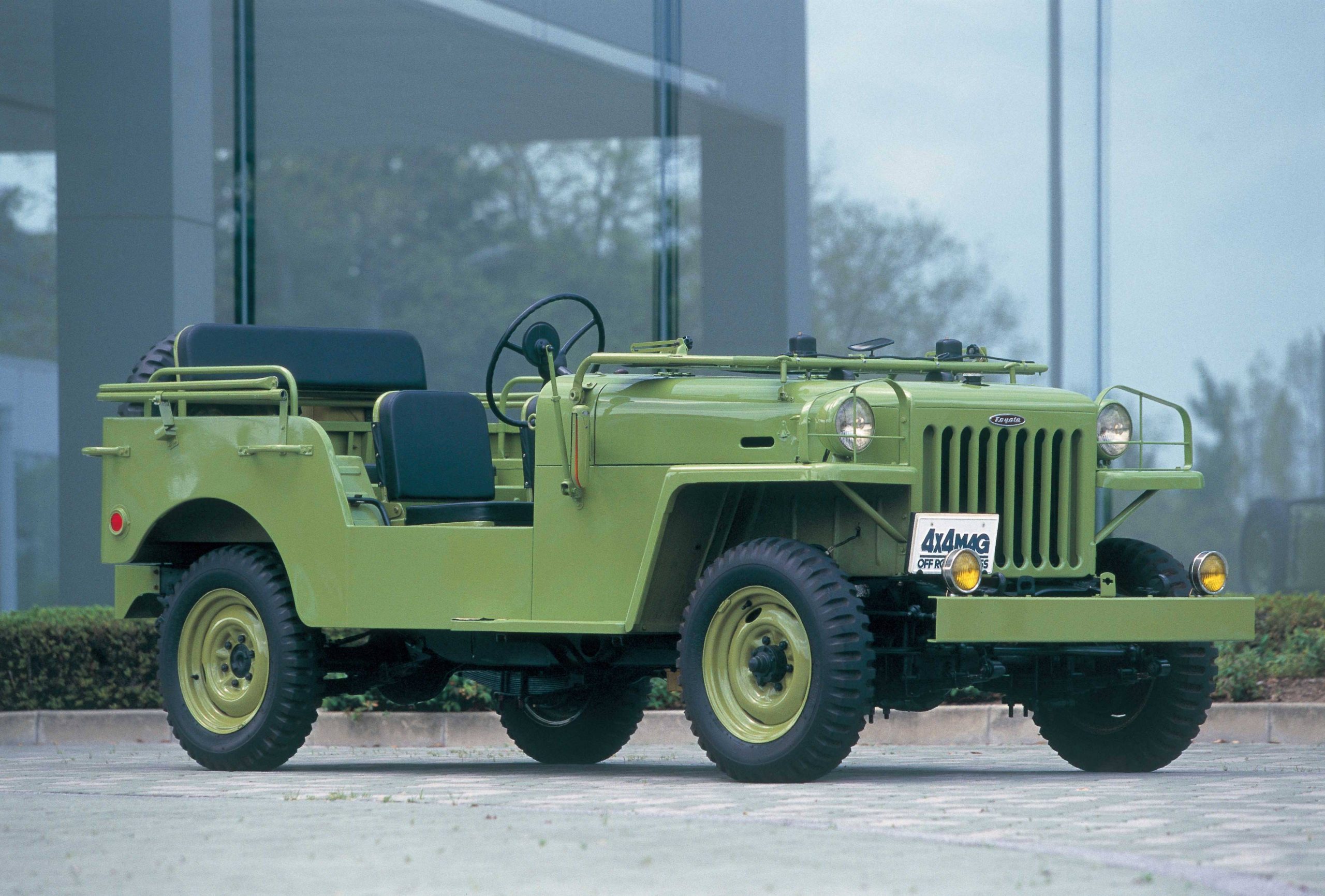
Later, the “Toyota Land Cruiser”, the Japanese version of “Jeep”, saw daylight. Surprisingly, “Toyota” developed its model at the USA request which experienced a shortage of vehicles in the Korean war.

The first version of “Land Cruiser”, in principle, was a very precise copy of the “Jeep” vehicle. However, there was one main difference between these two – the Japanese “Land Cruiser” did not have a low-range transfer case. Nevertheless, “Land Cruiser” was the first vehicle in the world to climb to the sixth station on the trail to the top of Mt. Fuji.

Soviet interpretation

Americans had “Jeep”, British people – “Land Rover” and Japanese had “Toyota”. All great countries had their 4x4 vehicle which was used by both army and civilians. The leaders of the Soviet Union also have expressed the same desire to have their 4x4. They could not stand the idea that others have and they don’t.

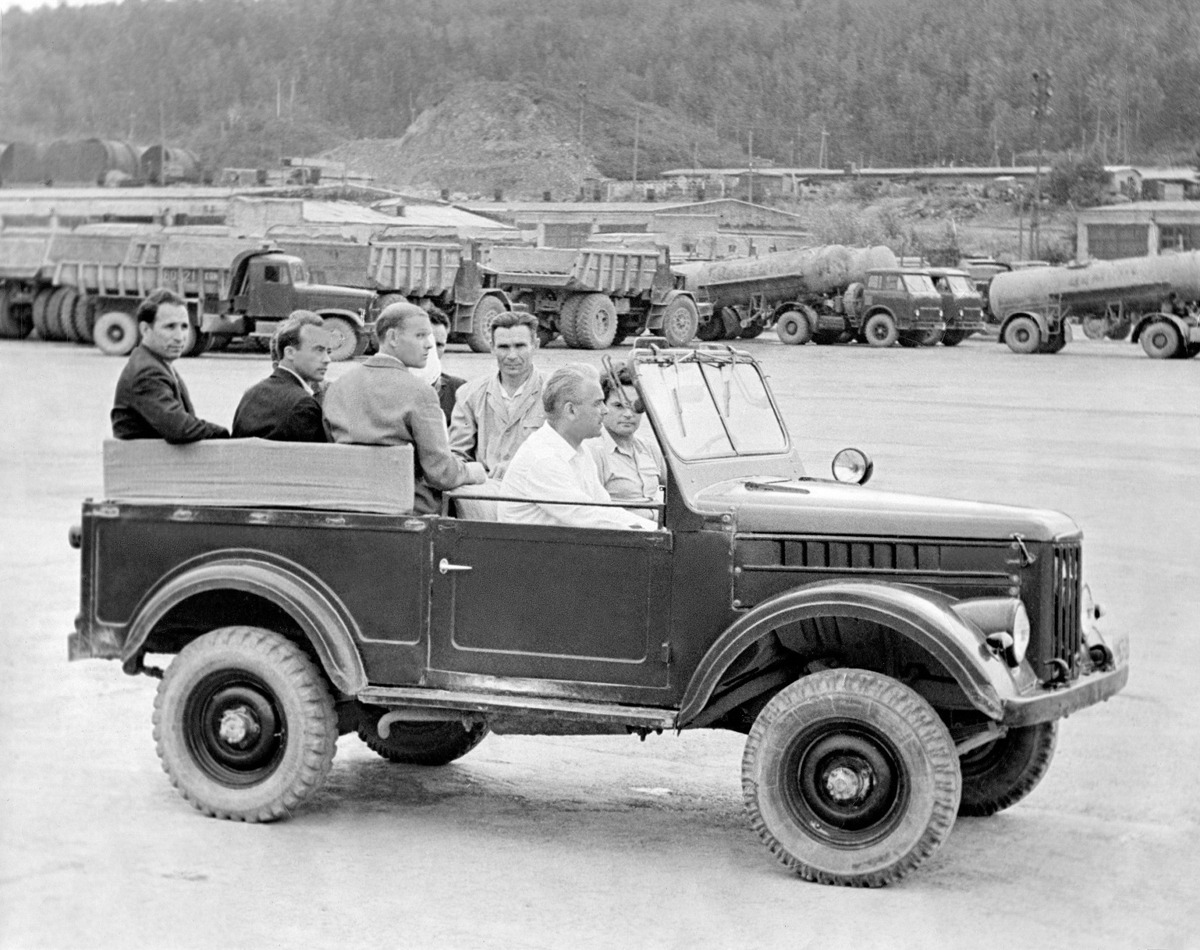
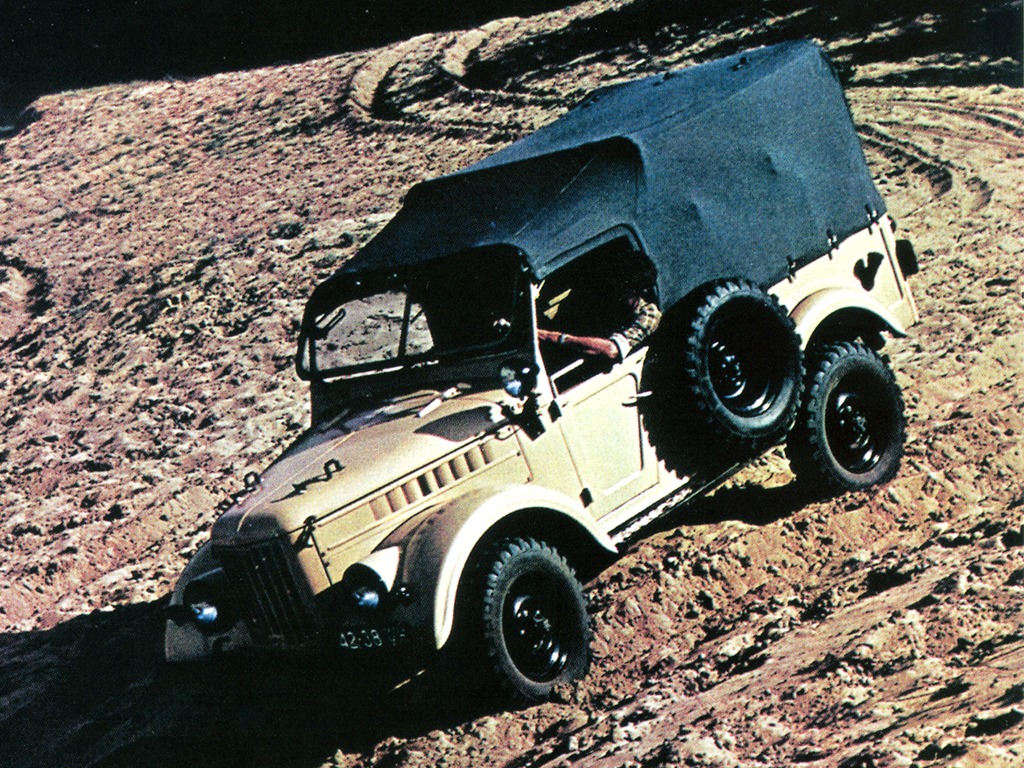
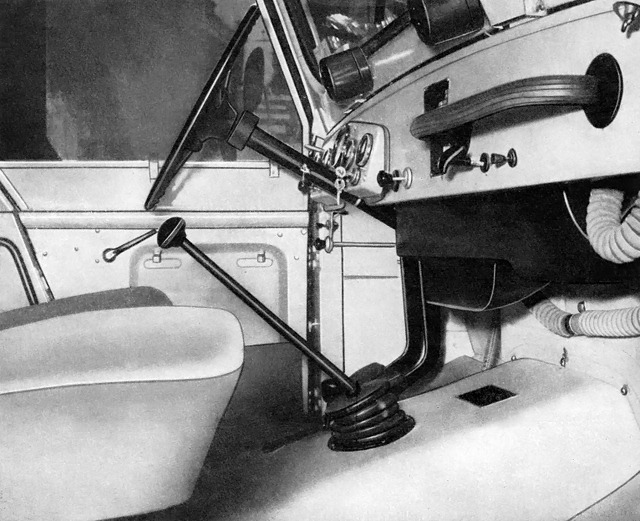
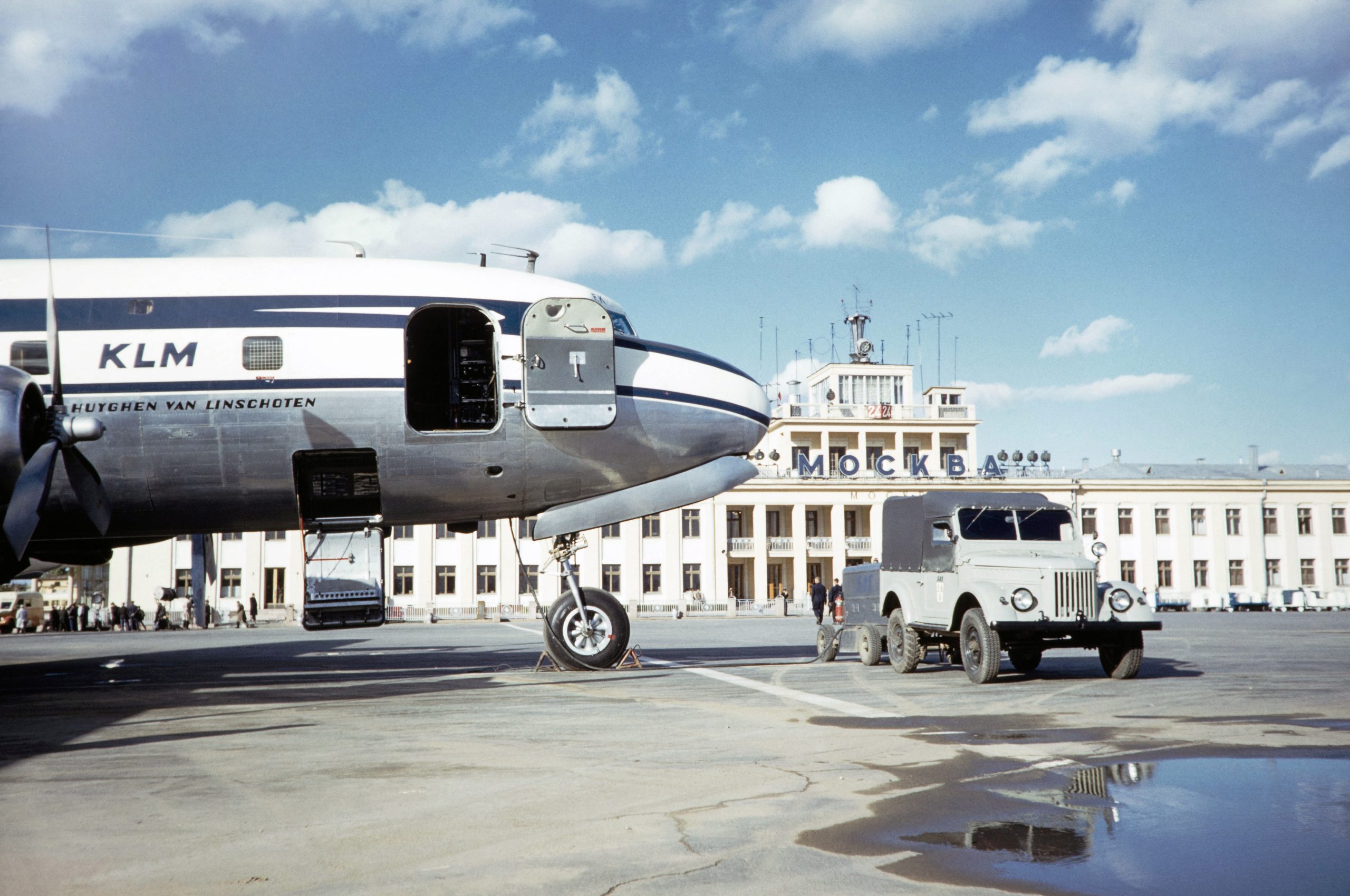
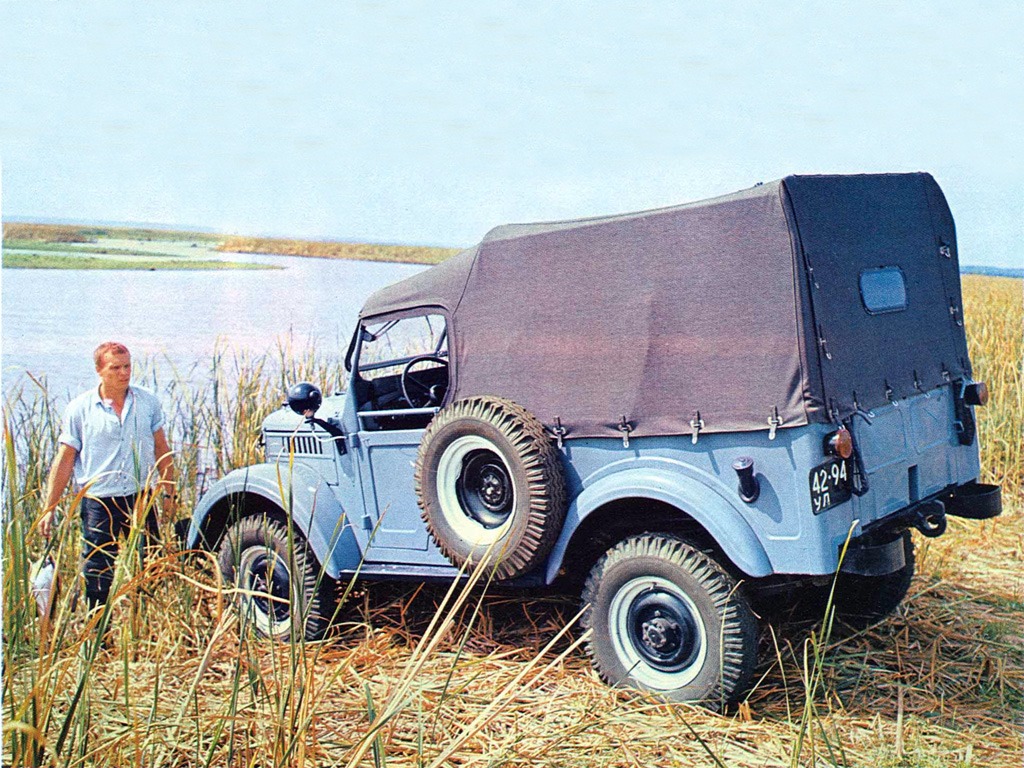
The engineers of the Soviet Union had performed several experiments with 4WD even before WW2. At that time the manufacturer “GAZ” was responsible for designing and improving off-road vehicles. In the factories of this company the models such “GAZ-61“, “GAZ-64“, “GAZ-67“, and “GAZ-69“ saw daylight. These were different but, at the same time, also similar versions of 4WD trucks, which were acknowledged due to a surprising amount of off-roading capability.

The last version of the “GAZ” 4x4 truck was “GAZ-69” and it received the highest recognition. During the period of production (which lasted quite long) manufacturer “GAZ” produced more than 600 000 units of “GAZ-69” which operated in various regions of the USSR.

The successor of “GAZ-69” was broadly well-known “UAZ-469”. The latter is probably the most popular and famous Russian 4x4 military light utility vehicle, which including various modifications is still in serial production to this day.

Revolution

1963rd year. Remember this year. Why? Because in these years “Jeep” introduced a new 4x4 vehicle, which caused a revolution in the 4x4 segment.

Until then, all 4x4 vehicles without any exceptions were made for one and only one purpose – comfortably and safely transport people while driving off-road. Meanwhile, “Jeep Wagoneer” was designed for families and people who did not have any desire to drive off-road but wanted to have a car that has a 4x4 truck-style design.

“Jeep Wagoneer” is considered not only a revolutionary vehicle, but it is also a pioneer of the SUV (sport utility vehicle) class. The same class in which vehicles drive people crazy.

“Jeep Wagoneer” appeared in the market 7 years earlier than other, higher class SUV “Range Rover”. The latter managed to outshine an extremely important “Jeep Wagoneer” vehicle.

VIDEO

FOLLOW OUR YOUTUBE CHANNEL
BACK STORY
NEXT STORY

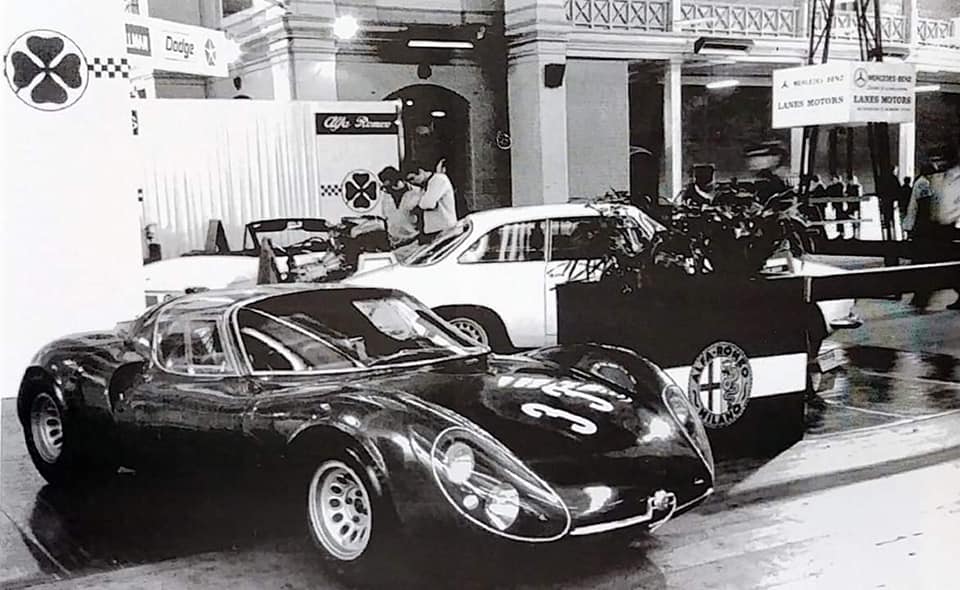
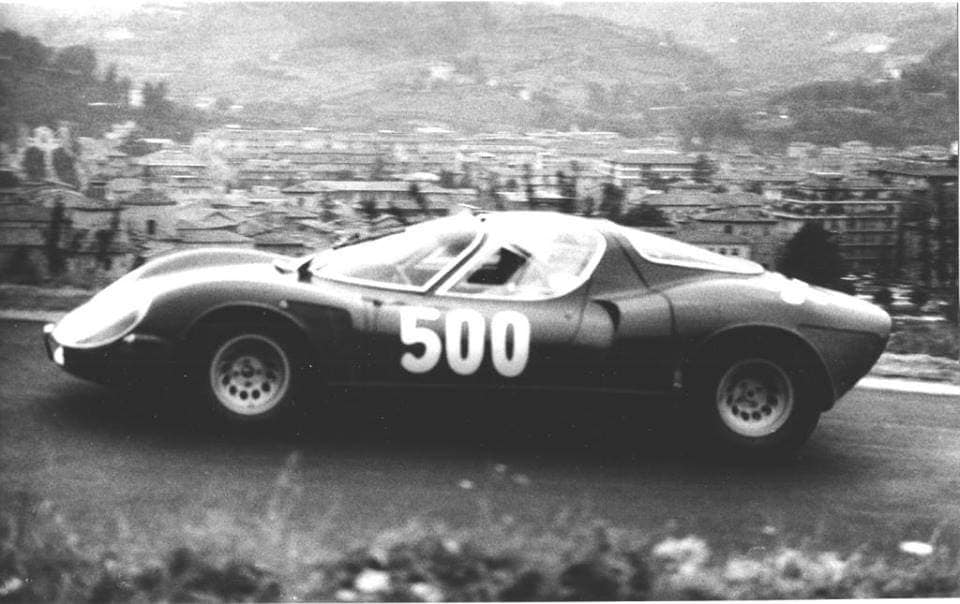
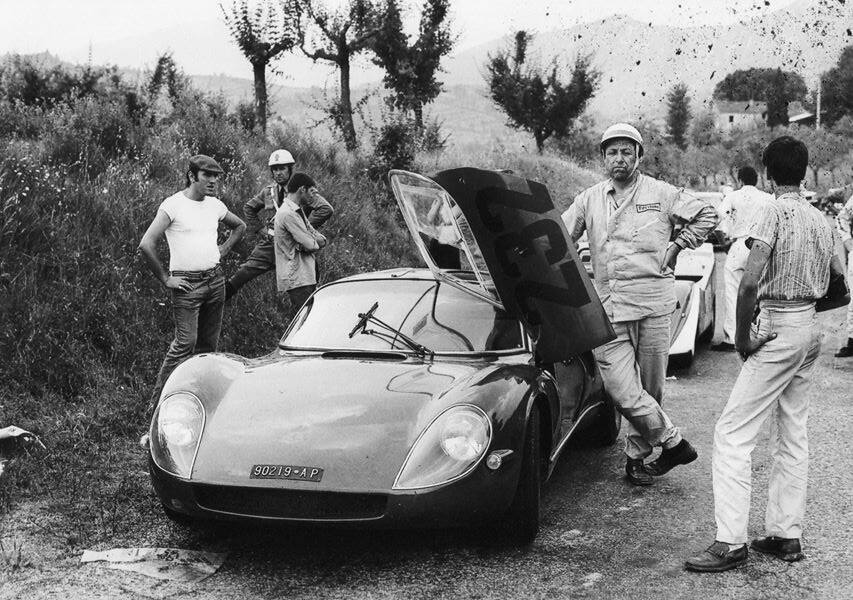
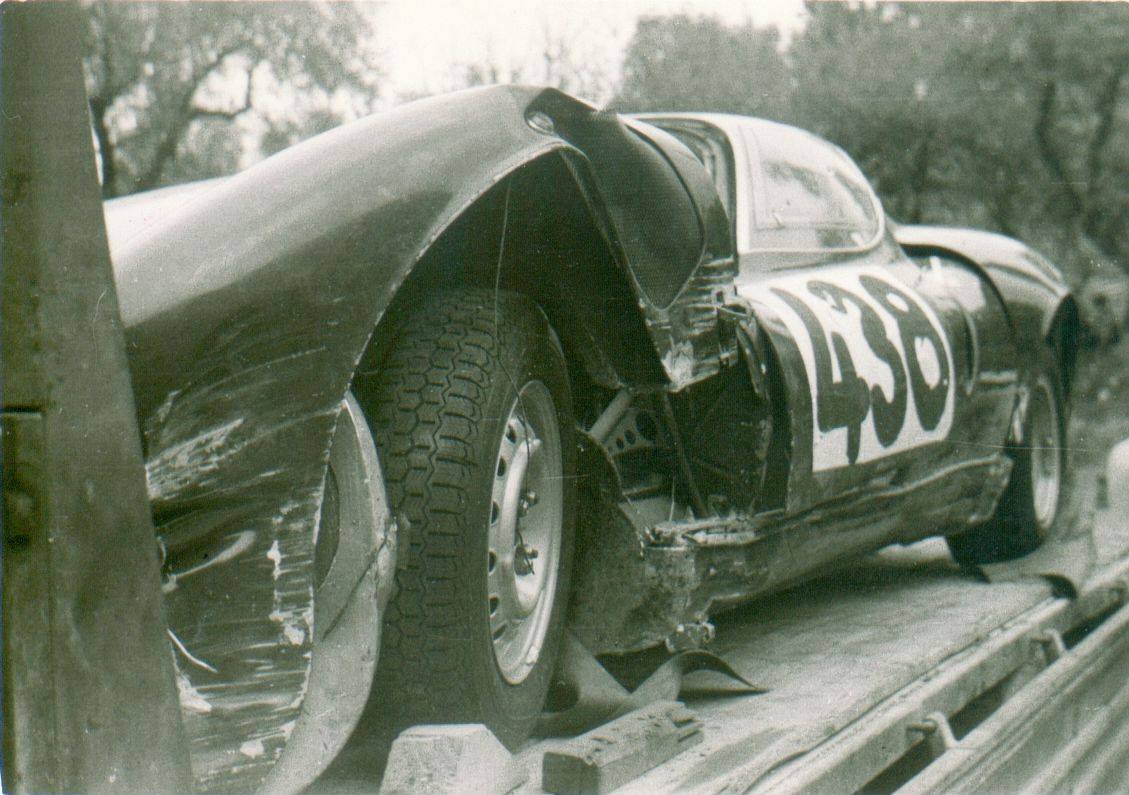
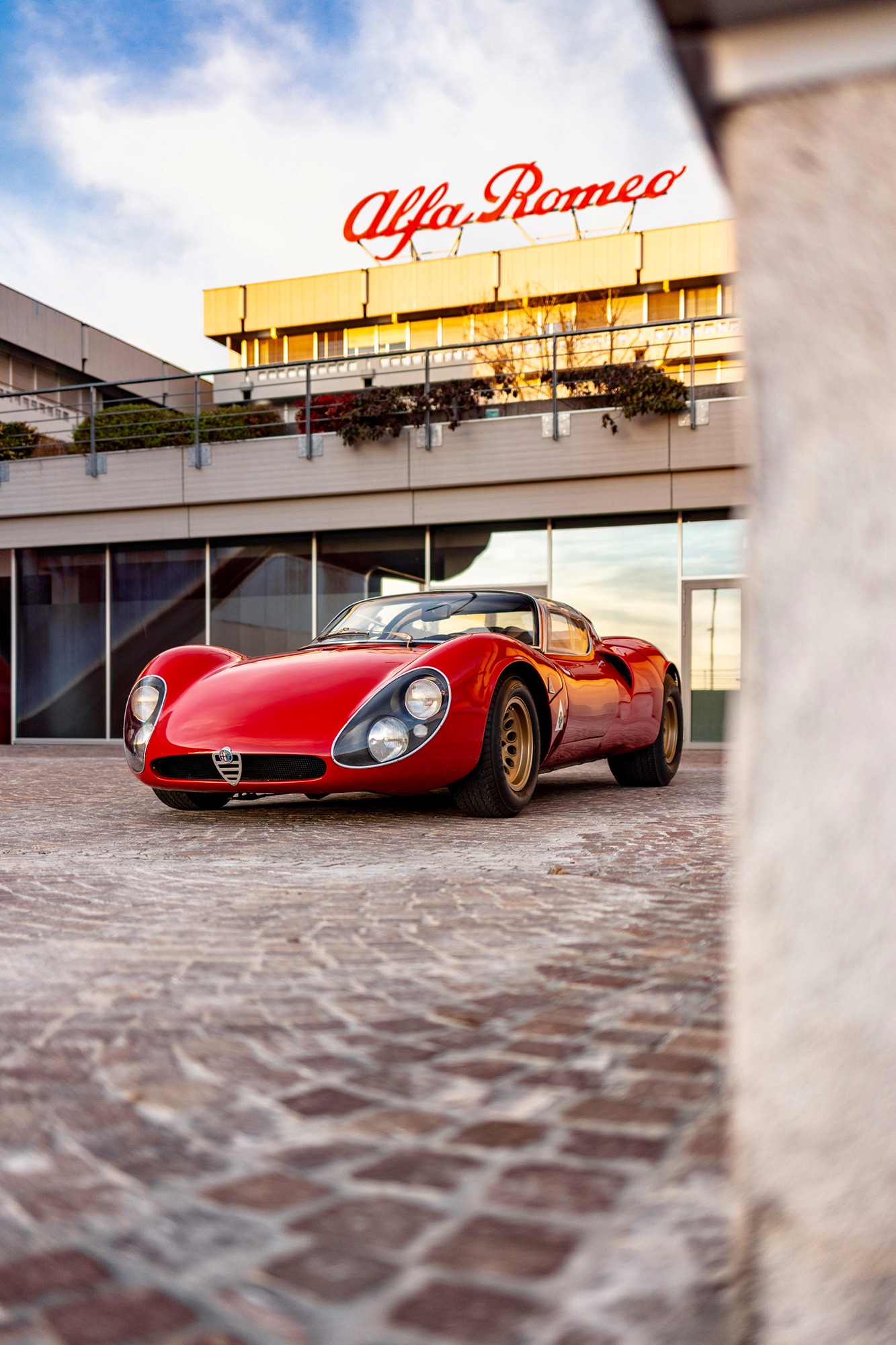
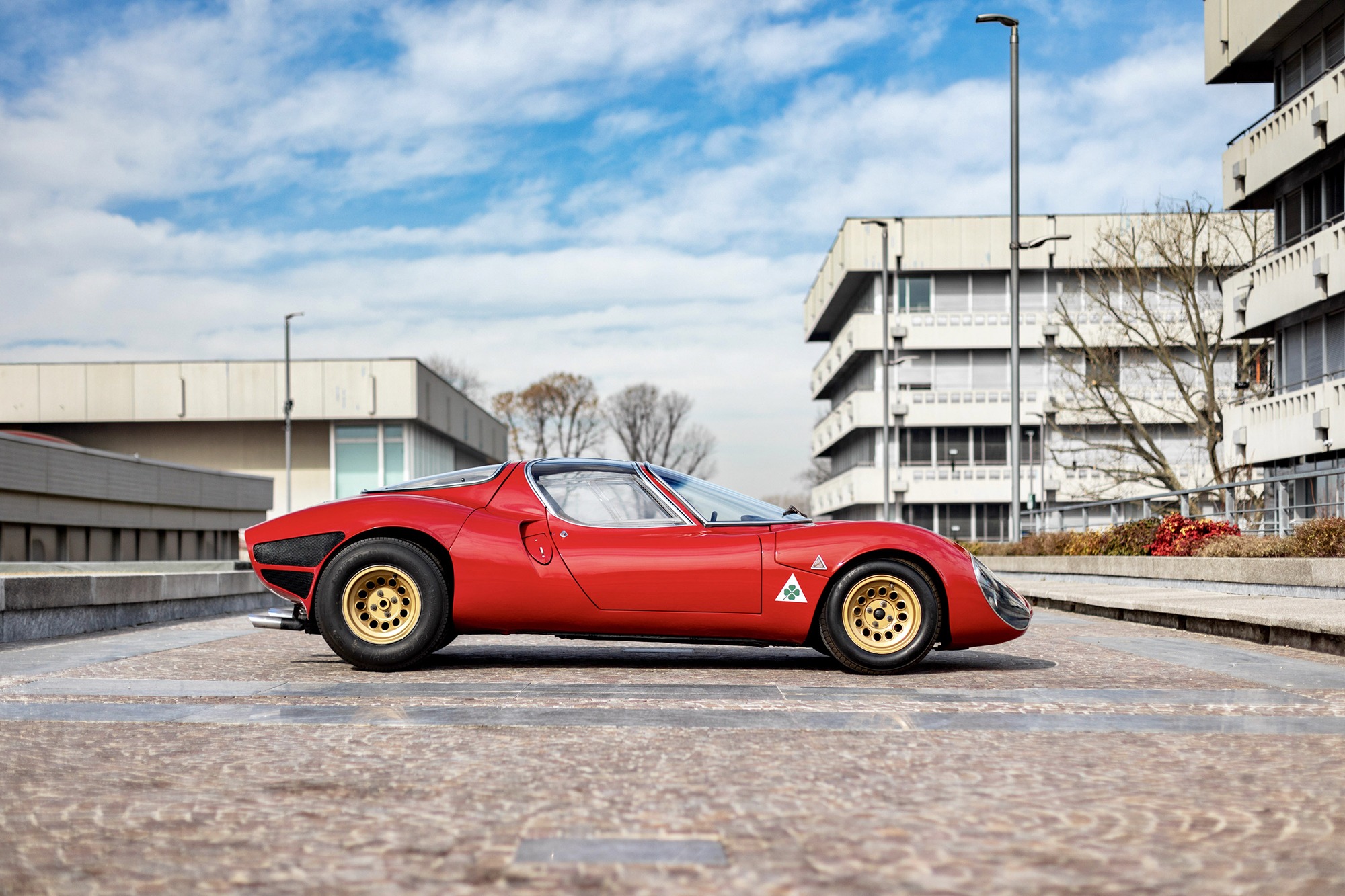
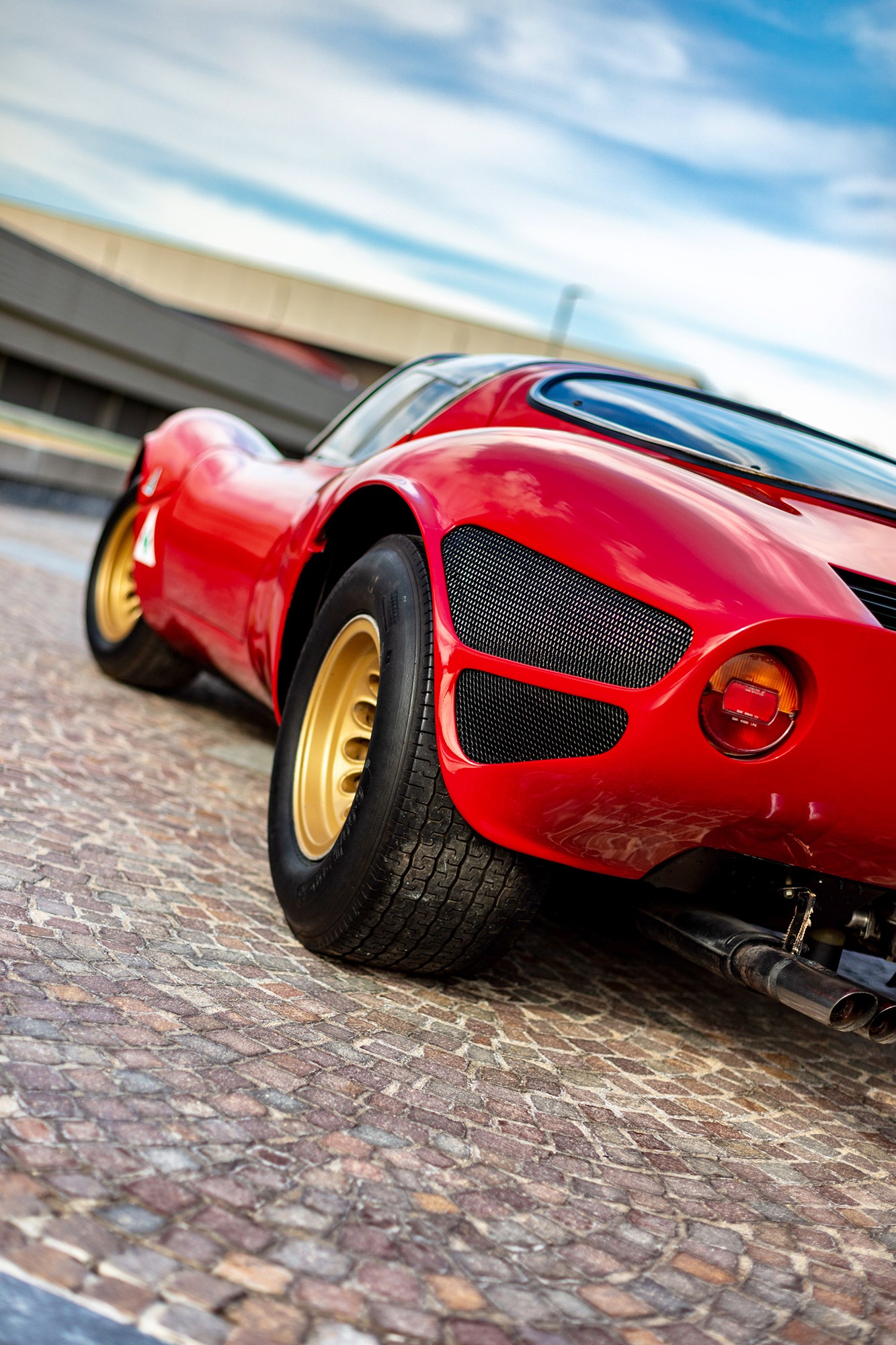
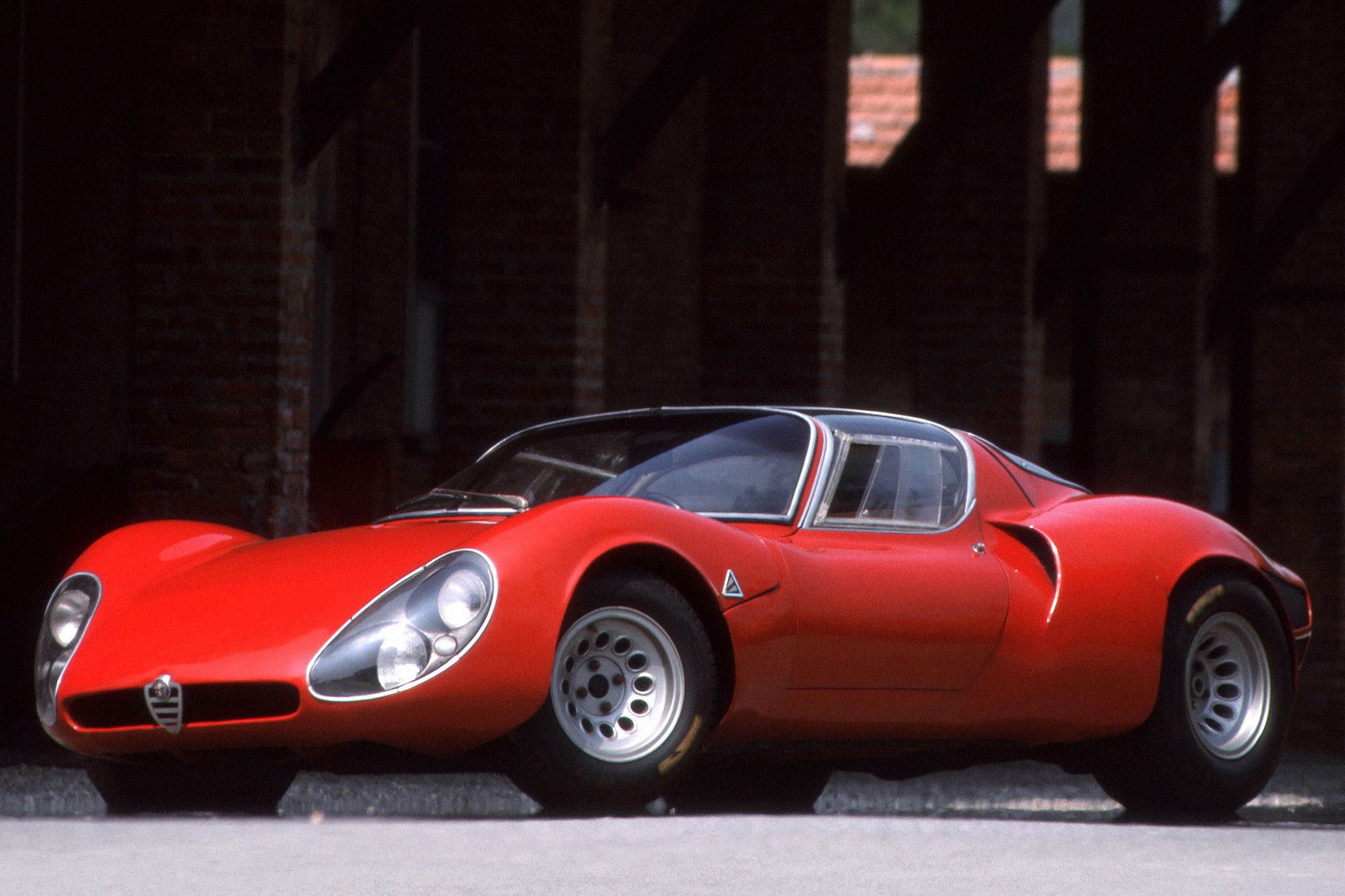
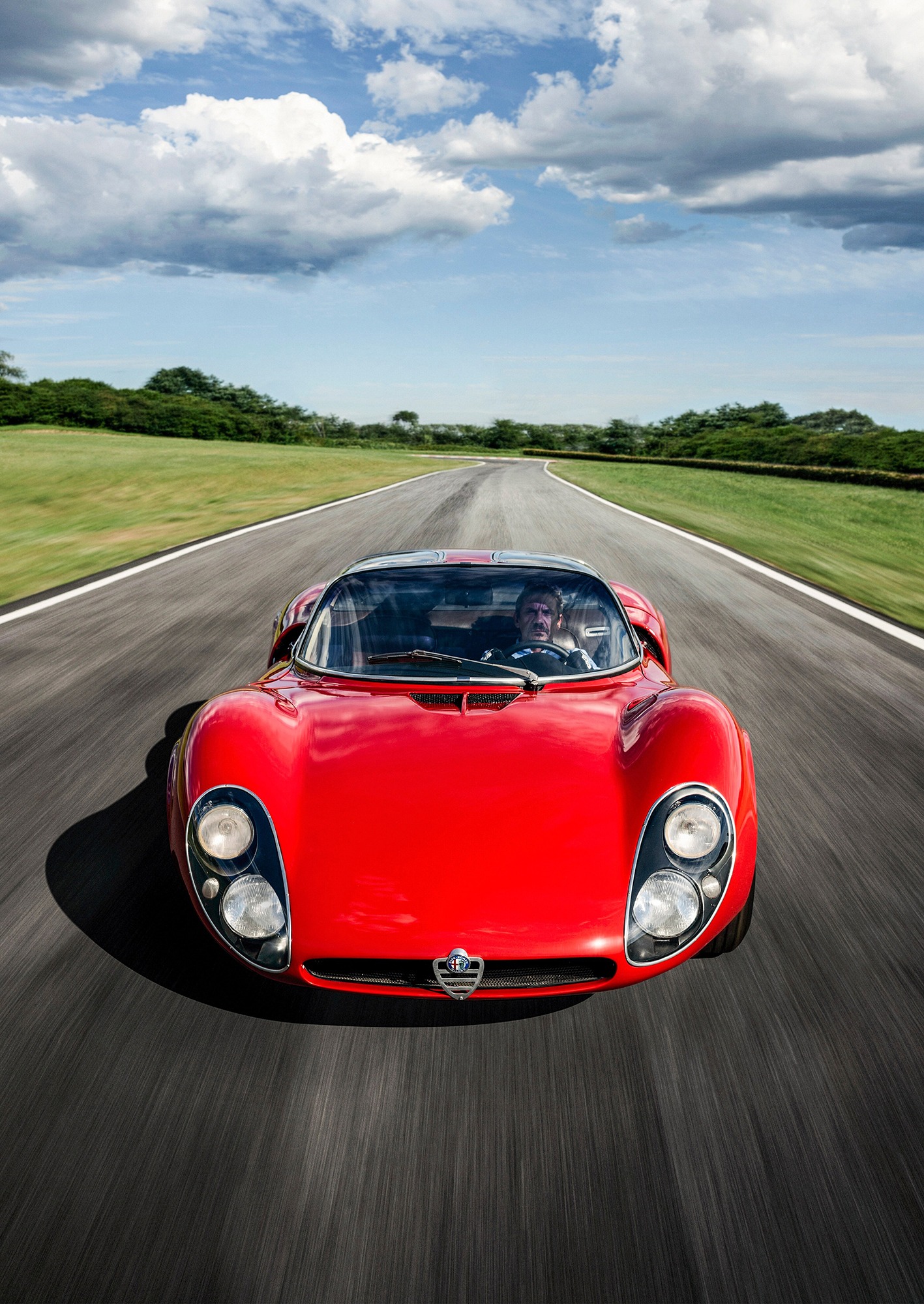
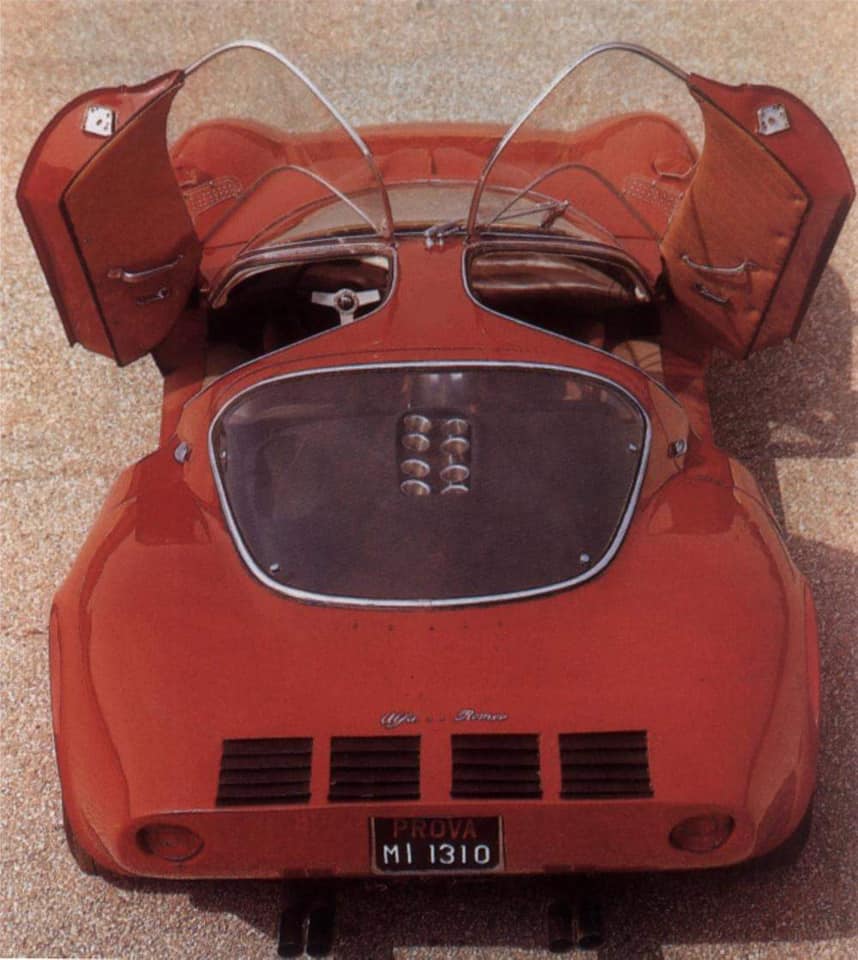
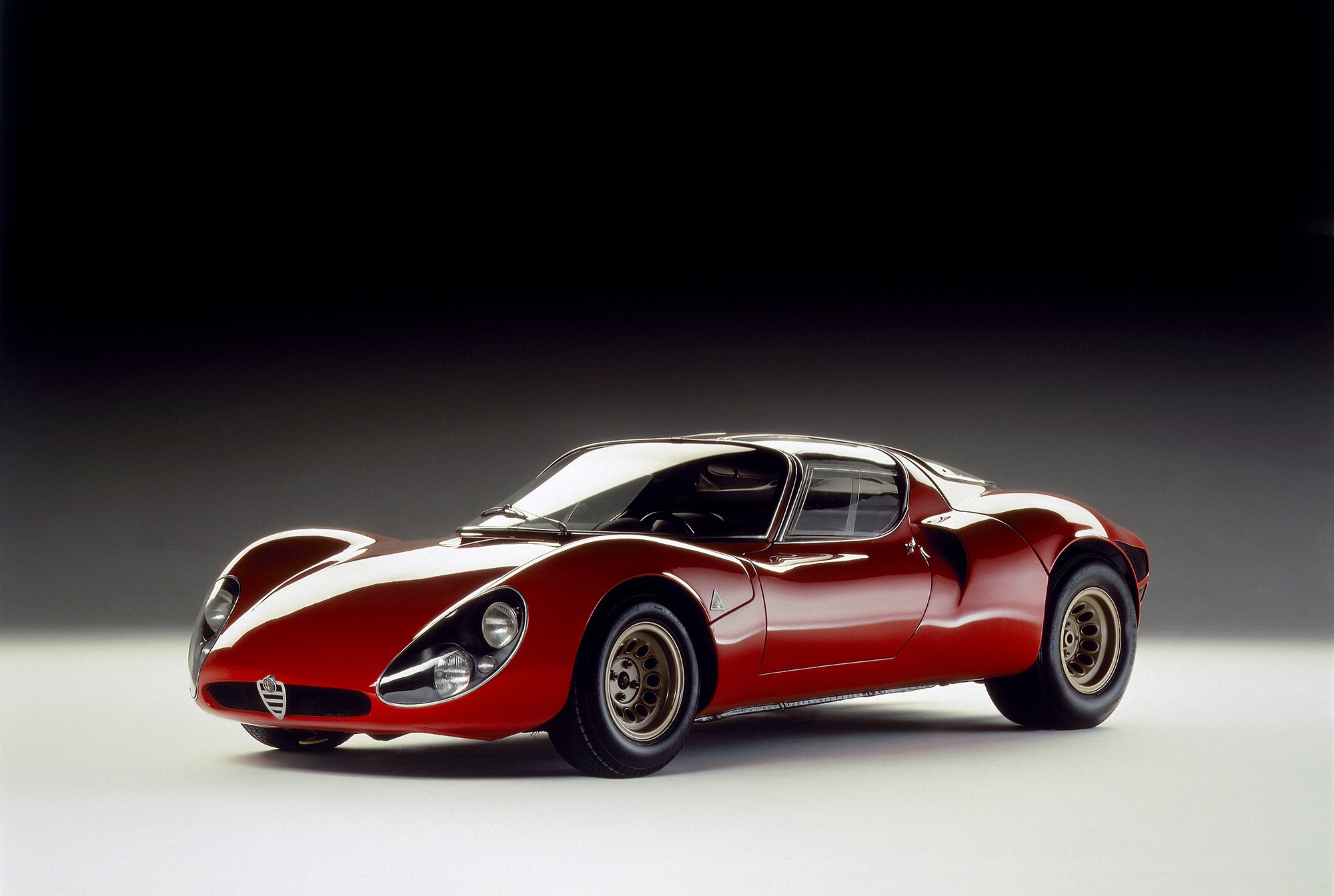
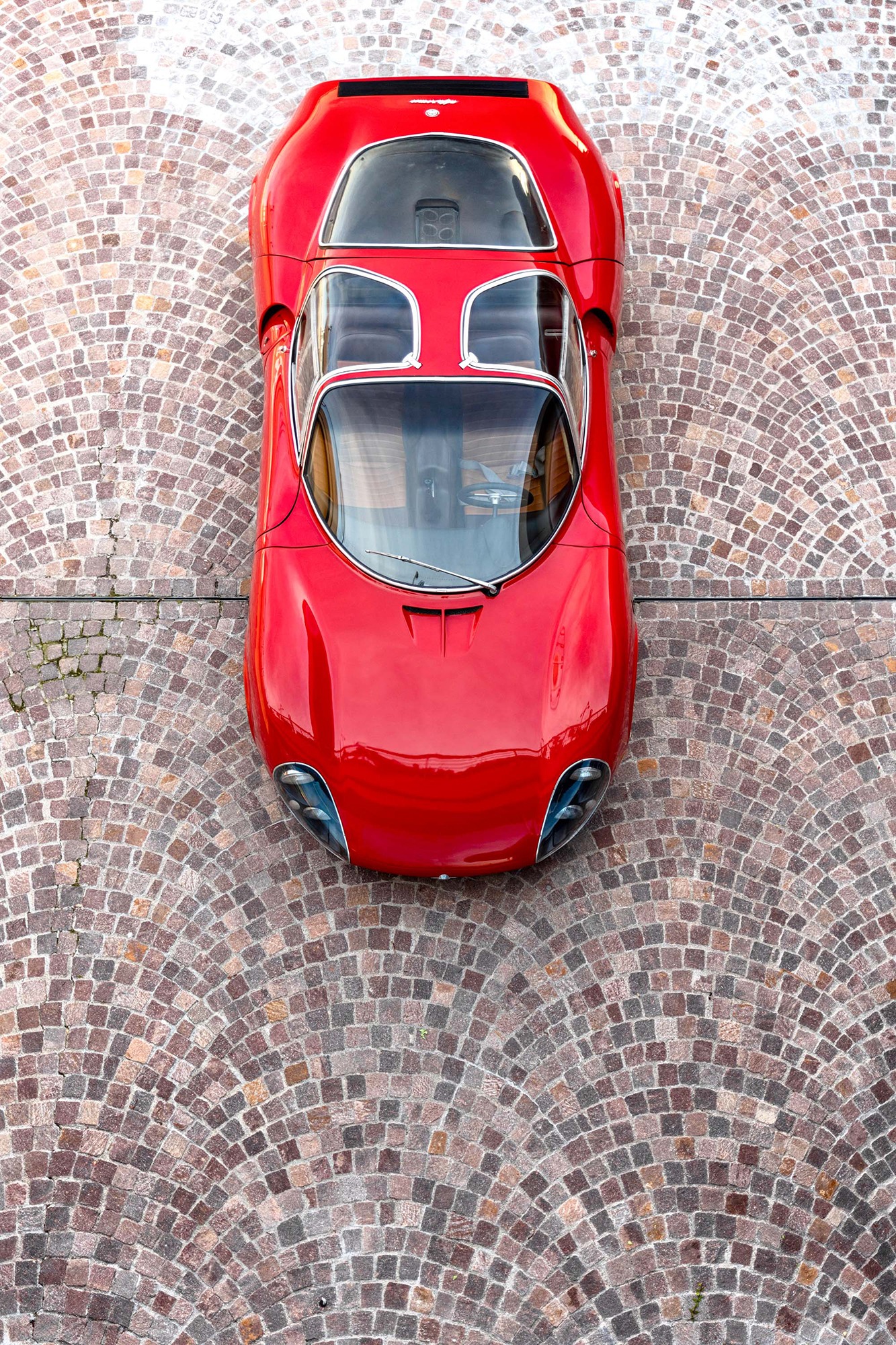
Super Alfa Romeo 33 Stradale

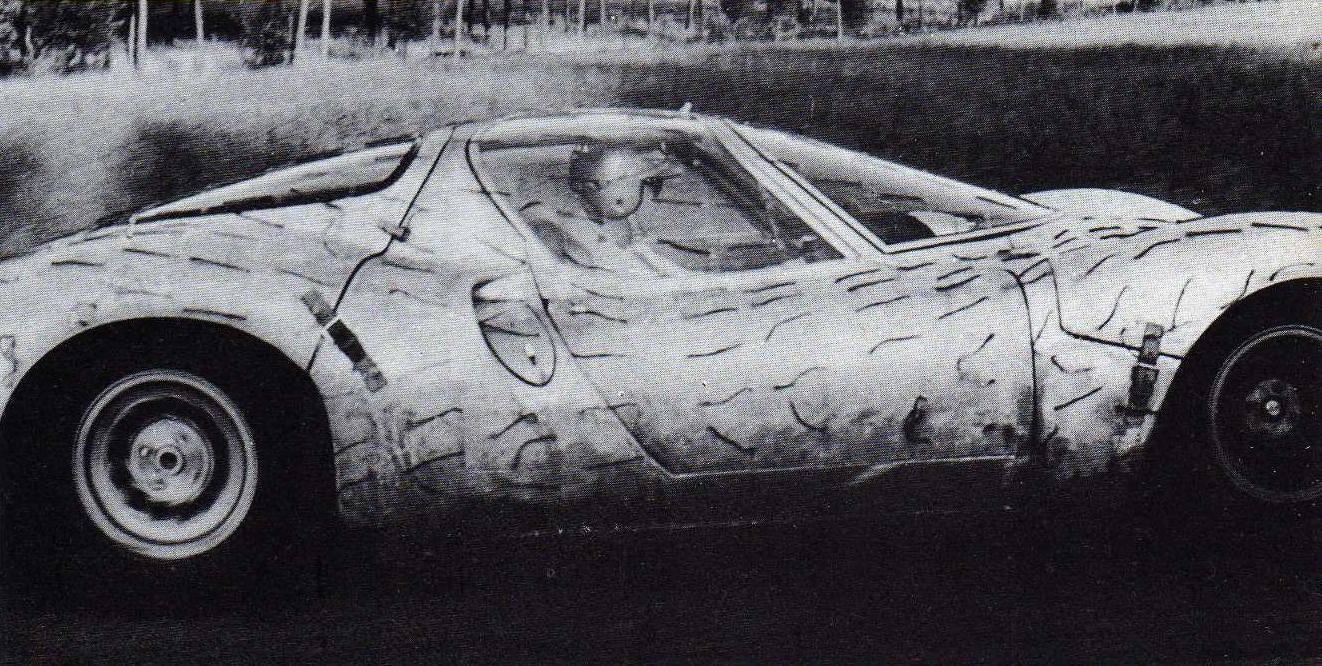
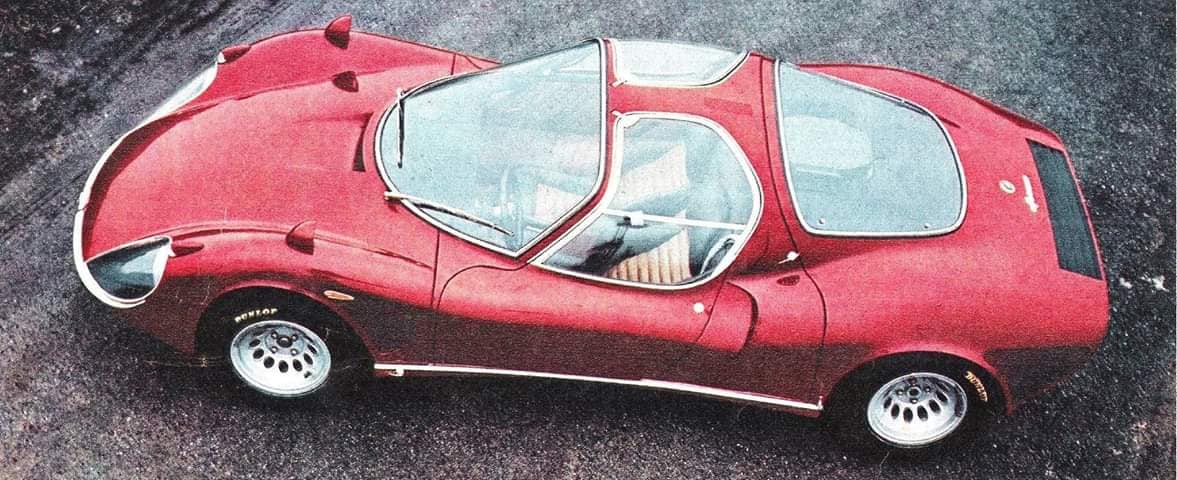
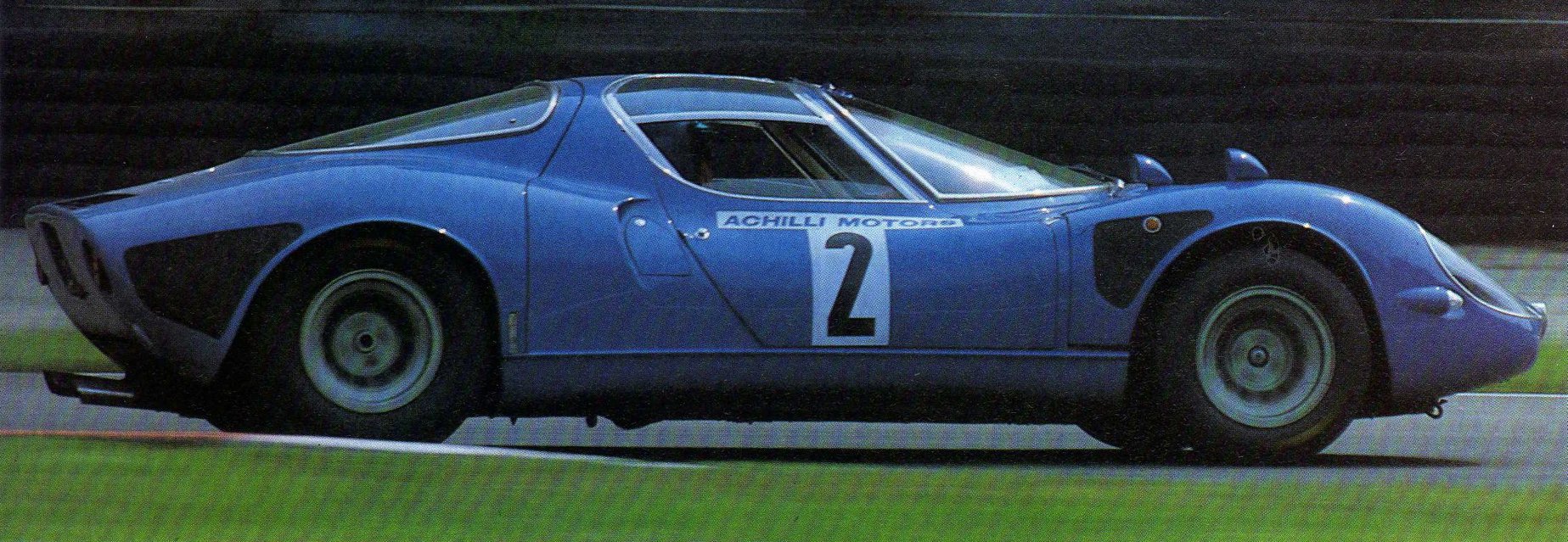
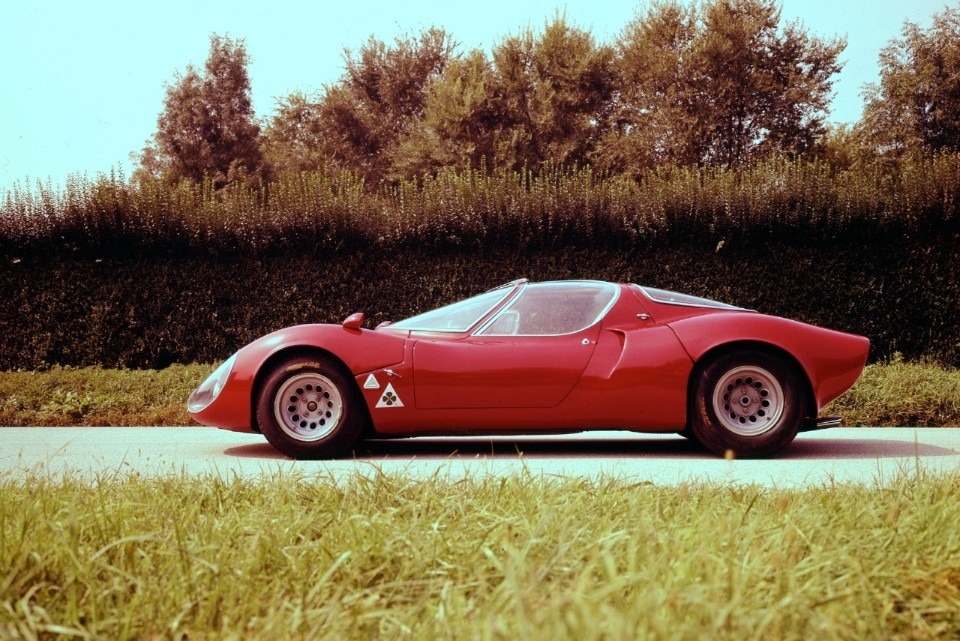
In the 1960s it was not that easy for Alfa Romeo. Starting from the 1930s, the manufacturer belonged to the government which, from time to time, was putting pressure on the managers of Alfa Romeo. Meanwhile, in the 1960s the Italian politicians strived to create new workplaces no matter what. However, there was a long way to go for moving the mountains.

While the politicians and opposing populists were occupied by trying to destabilize the situation within the country, “Autodelta”, the long-time partner of “Alfa Romeo”, did not take notice of imminent troubles.

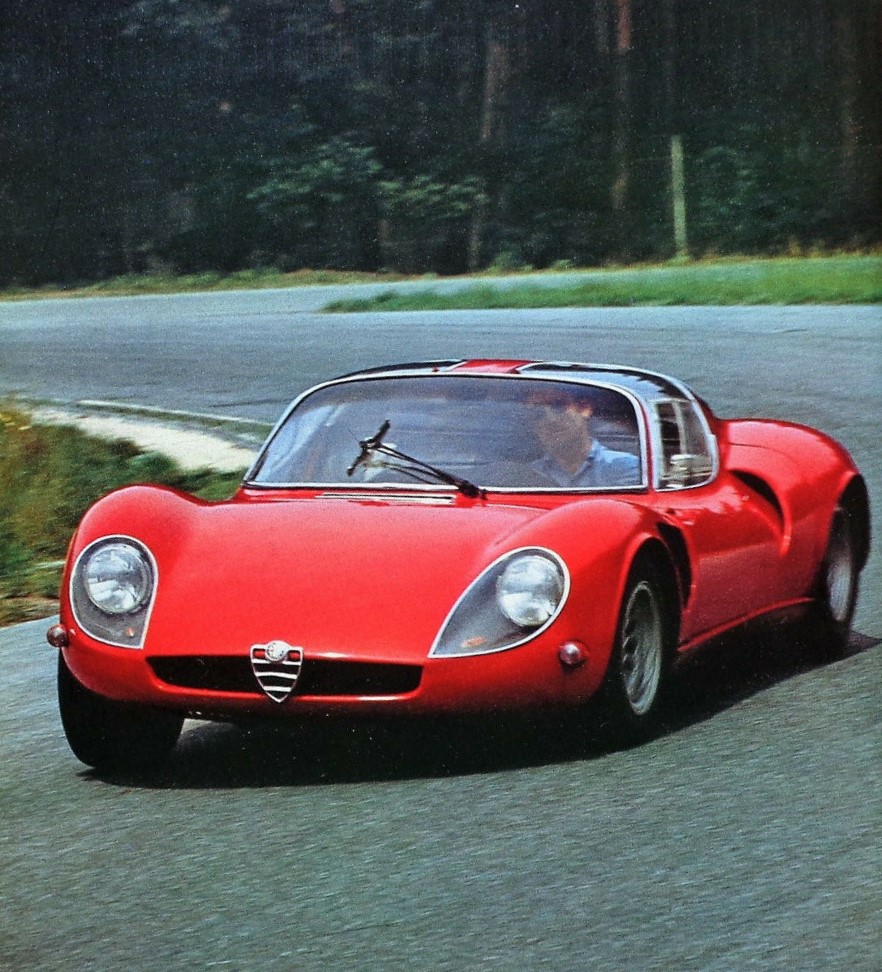
A tiny group of engineers led by Franco Scaglione started creating a new “Alfa Romeo” model. The latter was completely different in comparison to those cars, which “Alfa Romeo” was forced to produce. Let me explain why.

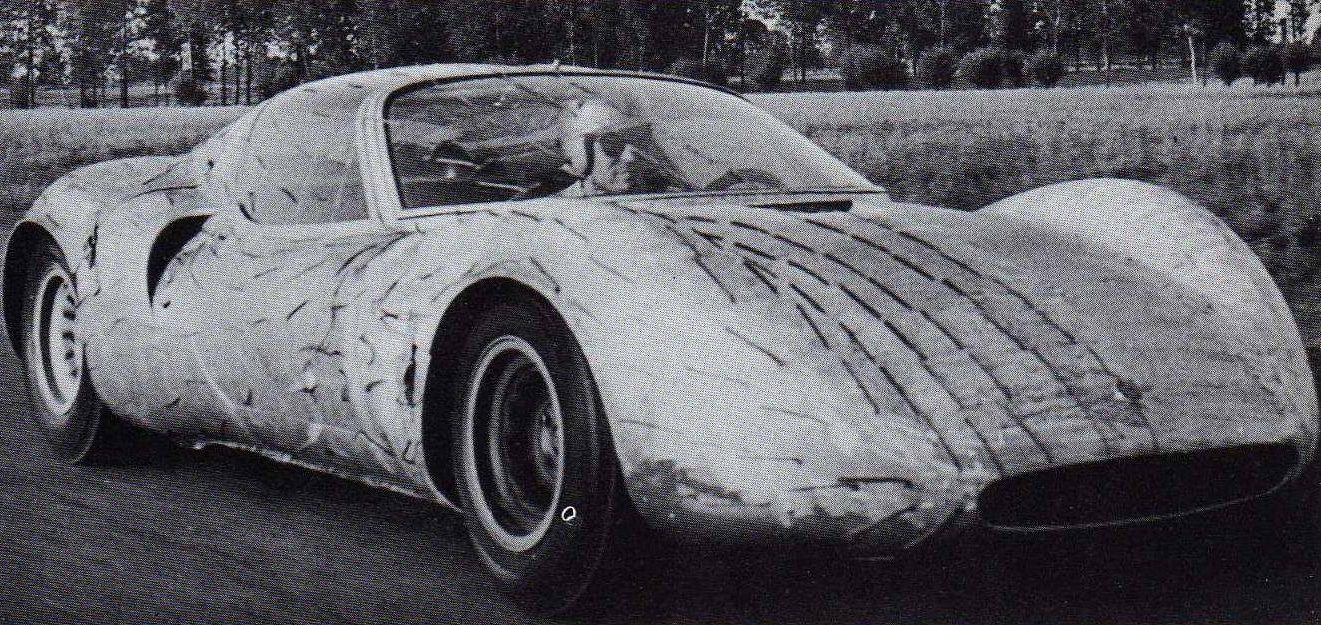
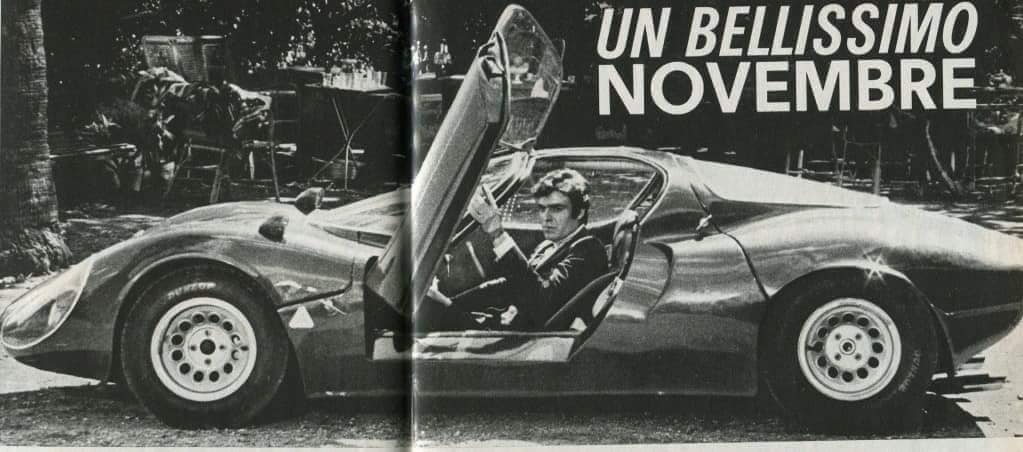
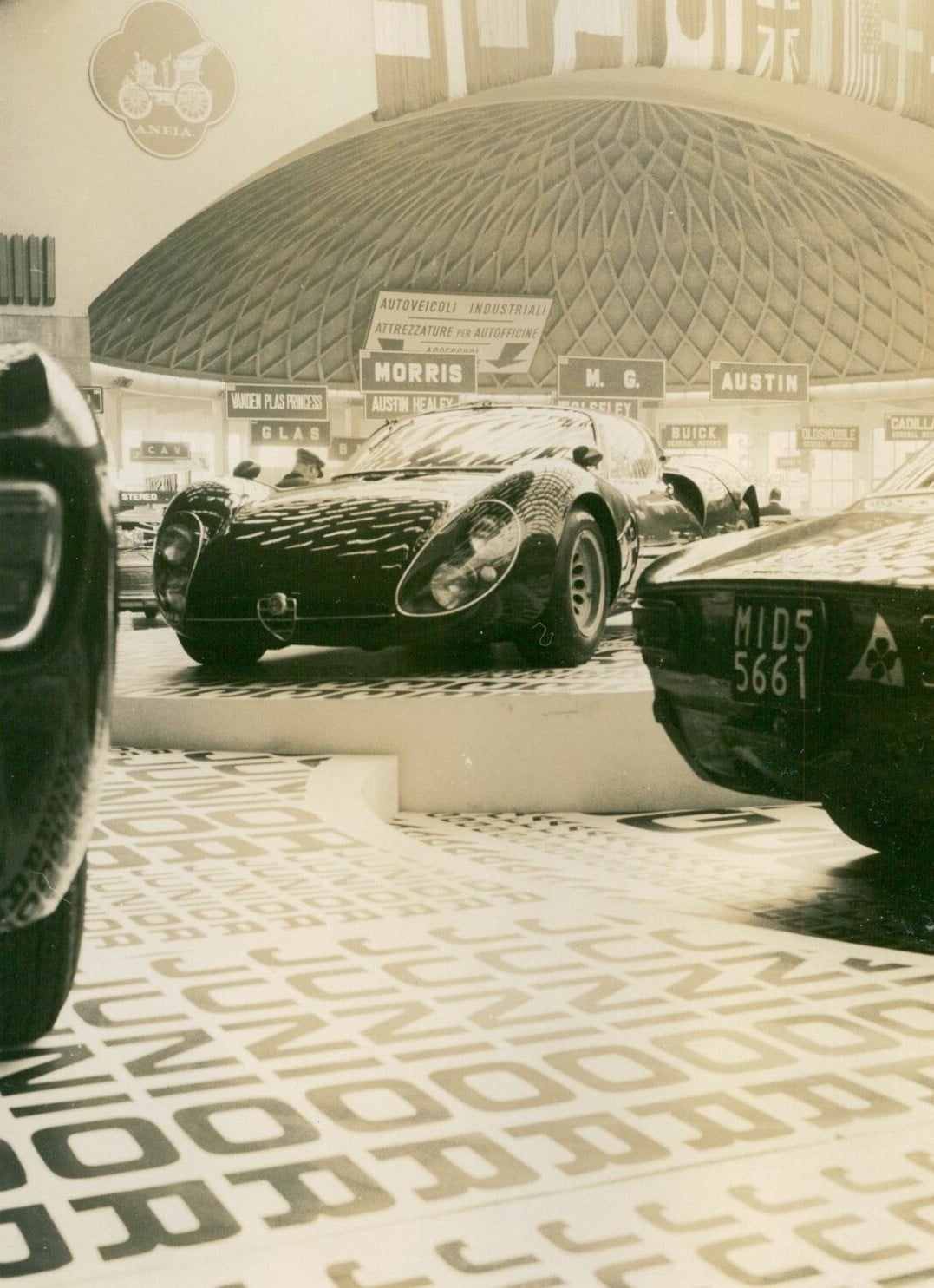
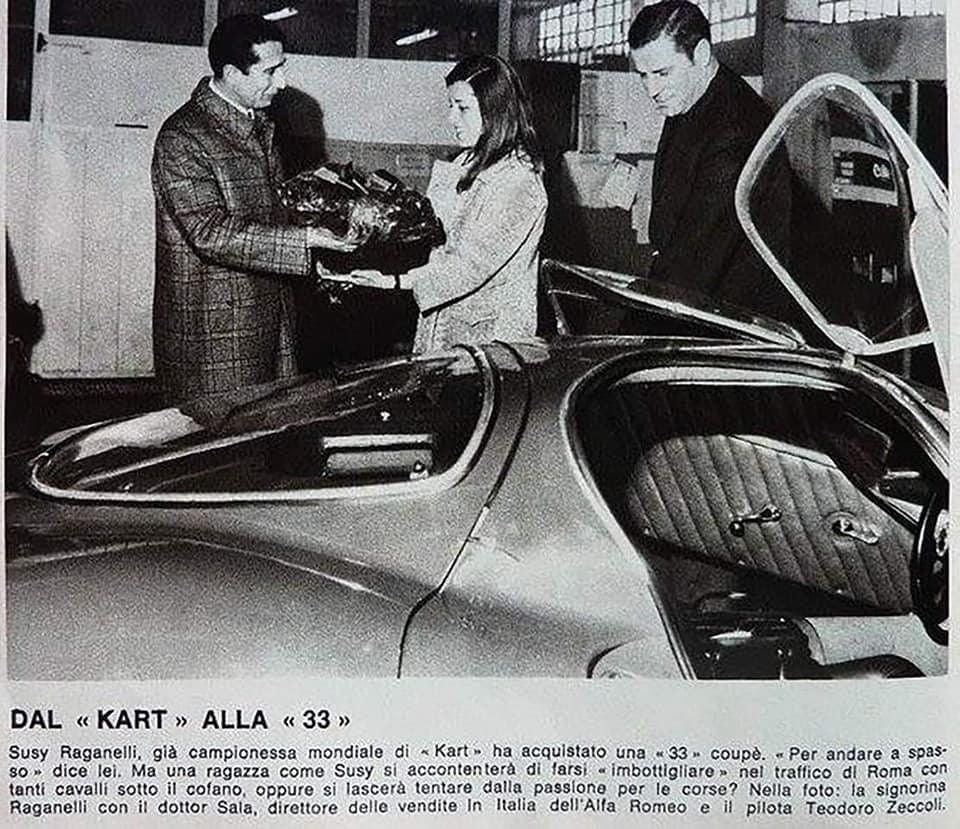
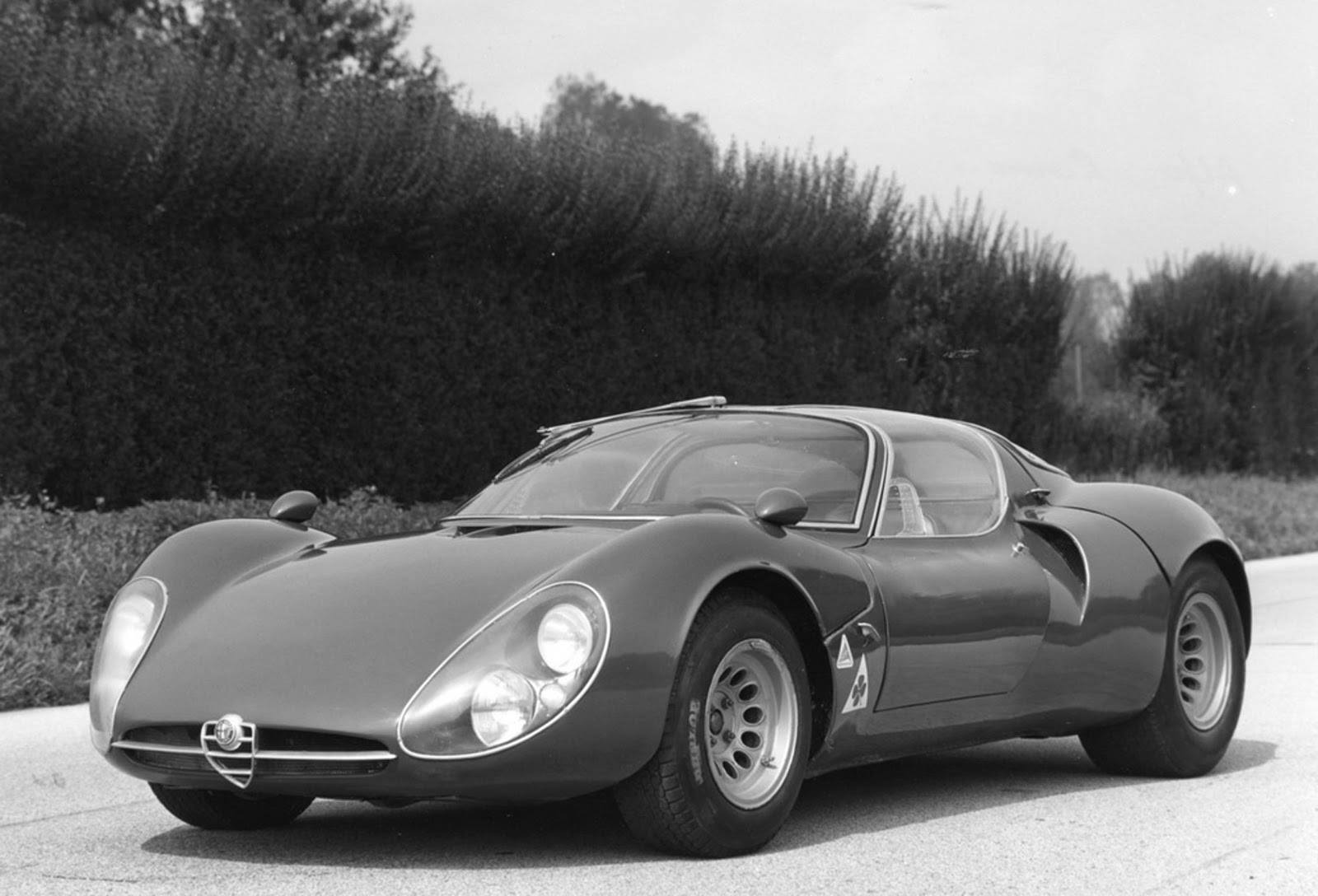
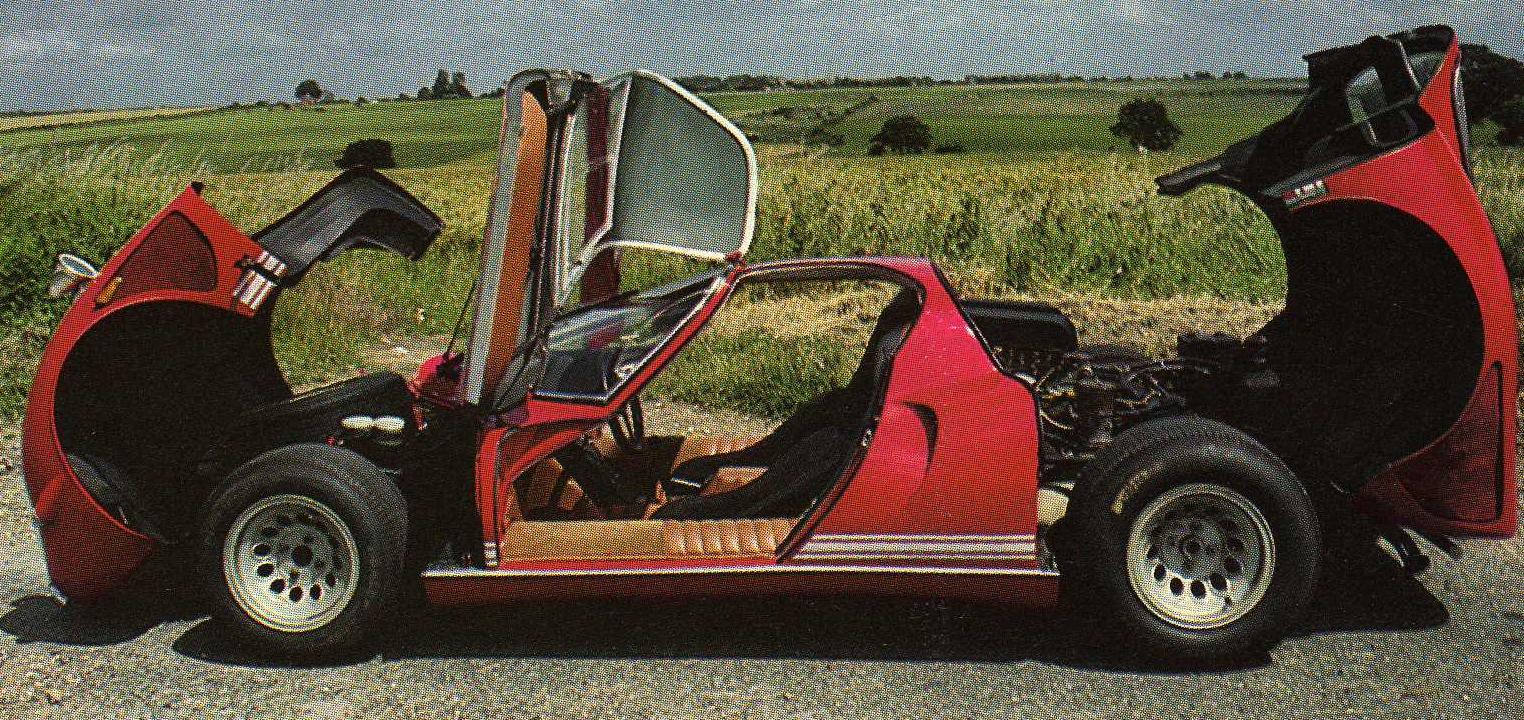
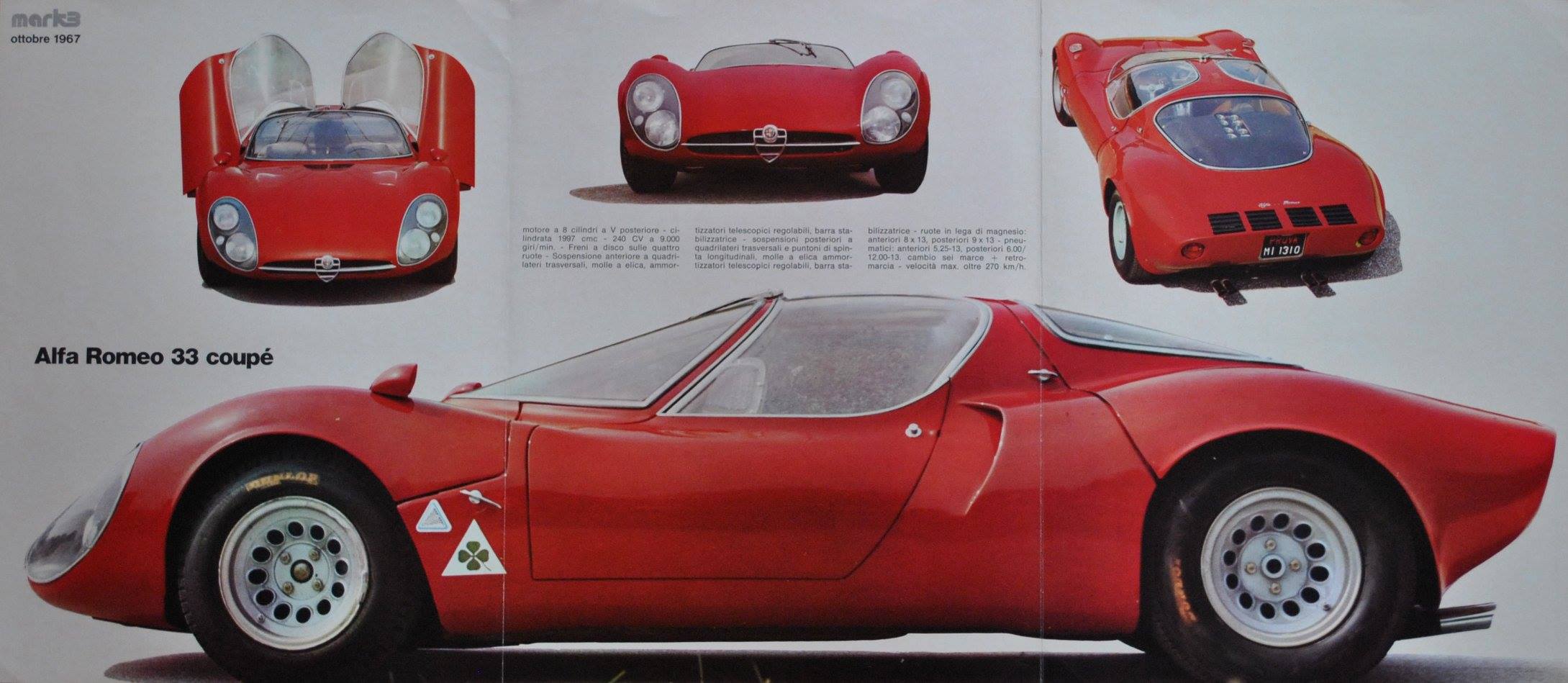
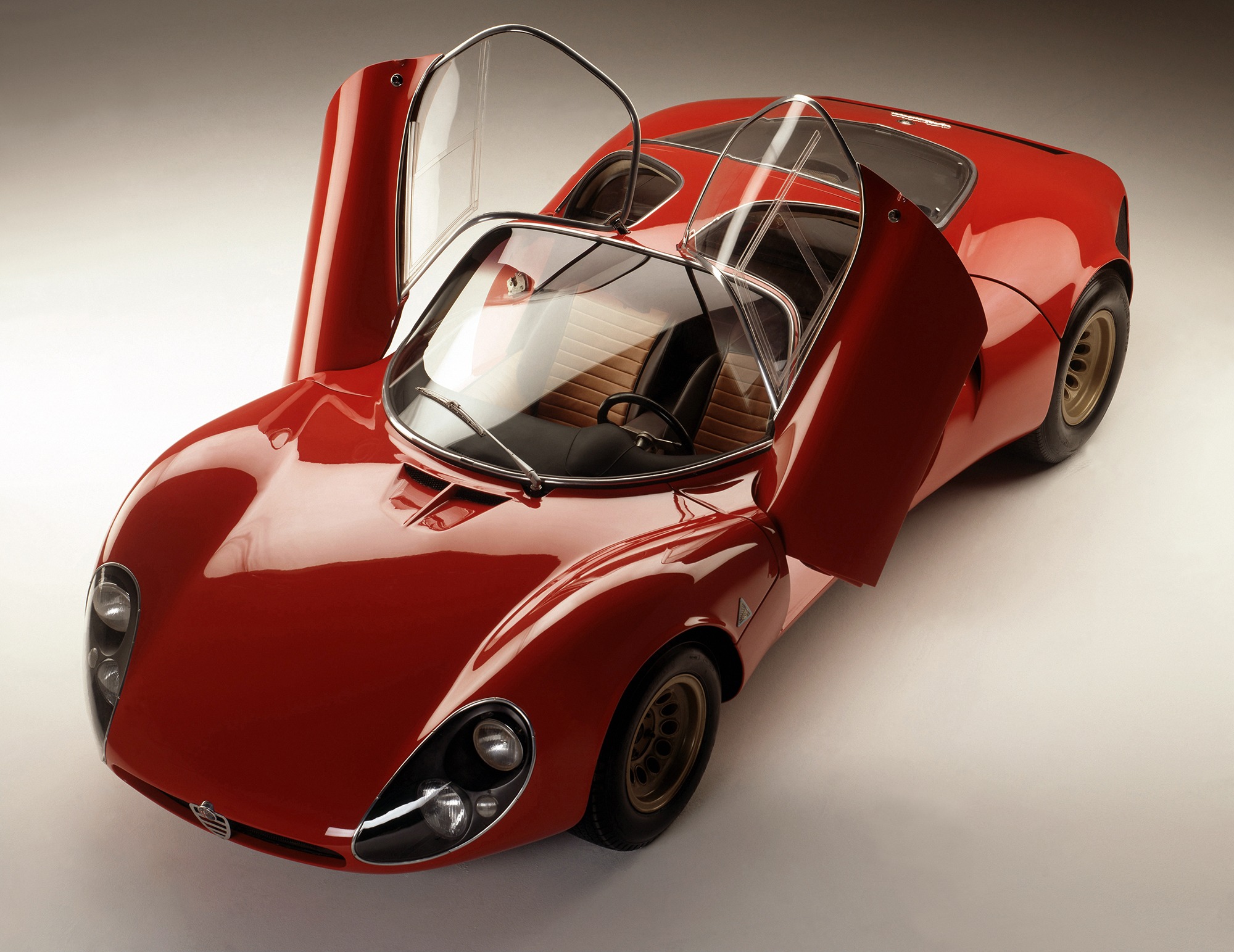
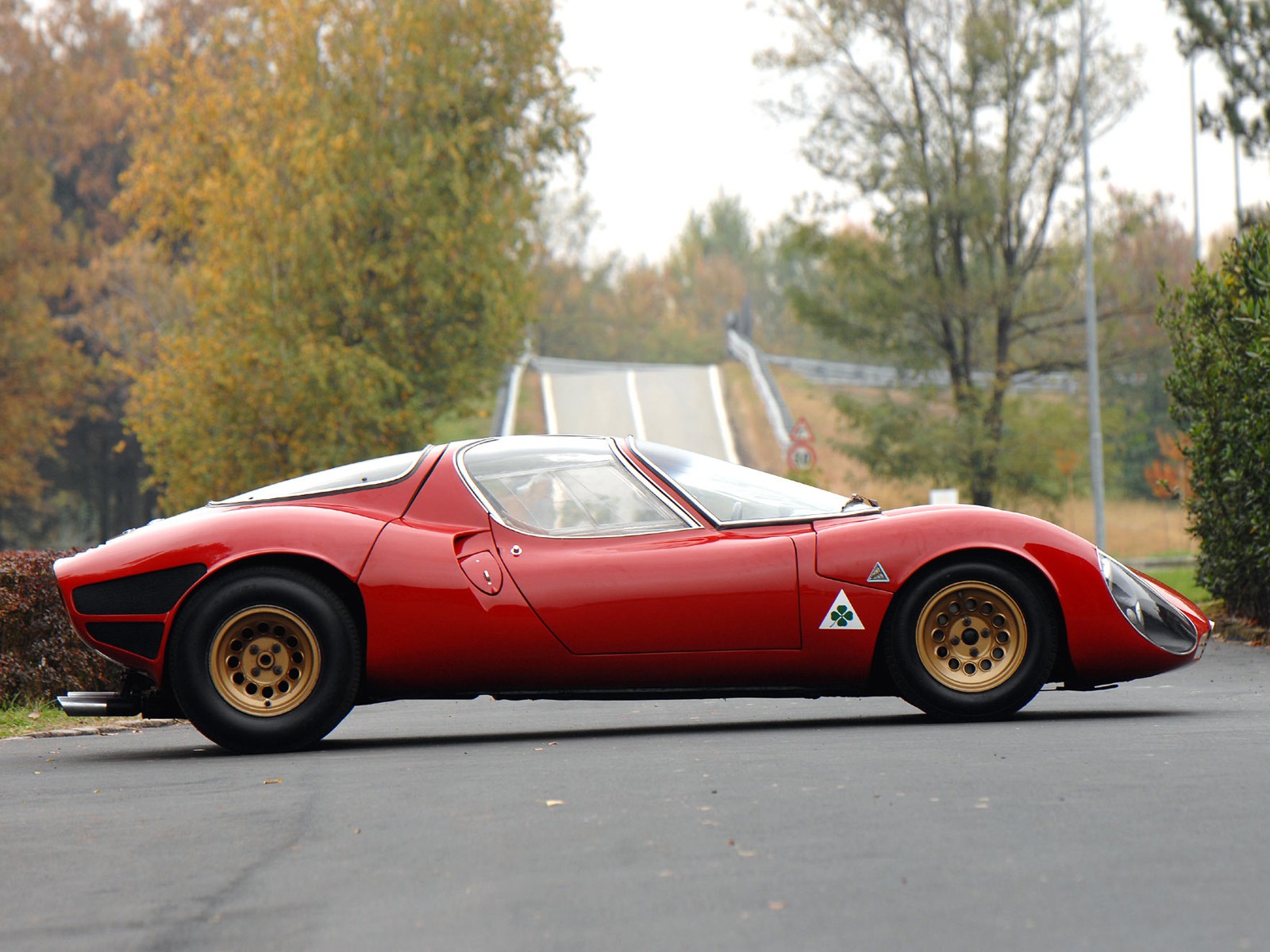
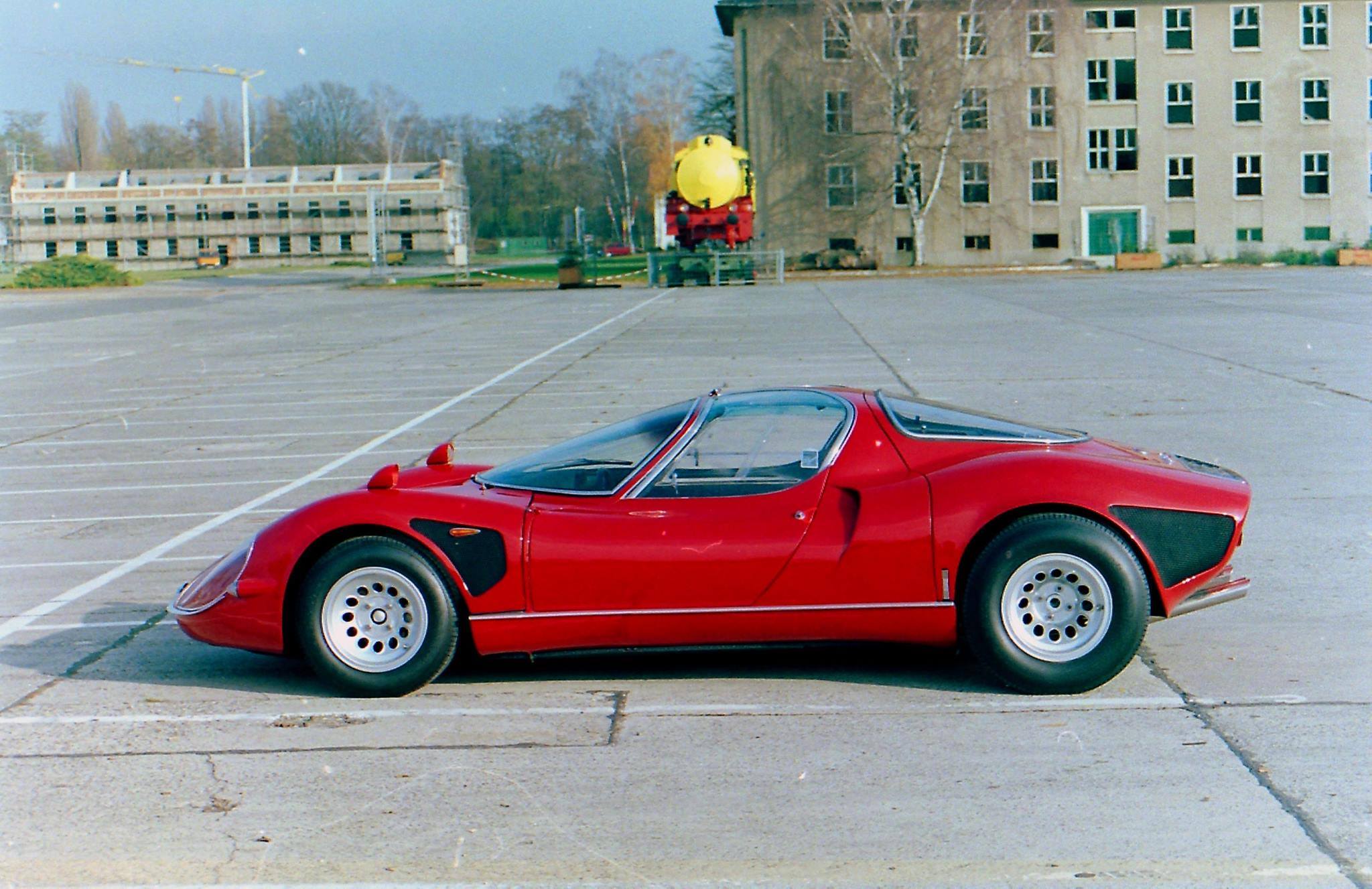
First of all, the body of the new model was made out of aluminum, which was placed on an aluminum tubular chassis. This engineering solution ensured that “Alfa Romeo 33 Stradale” would not weigh more than 800 kilograms. Also, the 13-inch magnesium rims were mounted on the wheels of each example. Moreover, the disc brakes were installed in front as well as in the rear of the car, and the suspension system was borrowed from the race cars of “Autodelta”. “Alfa Romeo 33 Stradale” was assembled by hand as appropriate to a real supercar.

Since “Autodelta” did not have automated conveyor assembly lines, all work had to be done by the workers, who, unfortunately, not always achieved the same results. For example, some vehicles had dual headlights, others – single. Also, in some cars, the wipers had a different mounting position. The later models were equipped with additional air intakes behind the front and rear wheels to keep the brakes cool. However, these are just a few examples.

The cherry on top for “Alfa Romeo 33 Stradale” can be considered the engine which was mounted next to the rear axle. Like the car’s construction, the engine had so many things in common with the one built-in ”Autodelta” race cars.

“33 Stradale” from its analog inherited a crankshaft, fuel injection system, “Twin spark” technology (each cylinder has twin spark plugs) and the engine RPM was not restricted, thus, the engine could reach 10 000 RPM. 

2.0–liter eight-cylinder engine was able to reach 230 HP at 8800 RPM and maximum torque at 7000 RPM. However, these values were only the theoretical numbers on the paper.

Due to the way how the vehicles were produced, some engines were not as powerful as the others. A few trustworthy sources published some examples where the previous “Alfa Romeo 33 Stradale” units had 245-hp engines while the later models were equipped with 260-hp engines.

Nevertheless, despite the differences in the engine bay, the 1968 “Alfa Romeo 33 Stradale” was astonishing. Mainly, there are two reasons, why.

First, many people were surprised due to its remarkable acceleration. This model could go from 0 to 100 km/h in less than 6 seconds and reach 260 km/h its maximum speed. Also, “33 Stradale” could cover quarter-mile (0.4 kilometers) in 24 seconds and these numbers were more impressive than “Lamborghini Miura” or “Ferrari Daytona” could achieve.

Second, it is its price. In 1968, “Alfa Romeo 33 Stradale” was not only the fastest but also the most expensive model of the year. In Italy, this car was worth 9.7 mln Italian lire, while you could purchase “Lamborghini Miura” for 7.7 mln Italian lire.

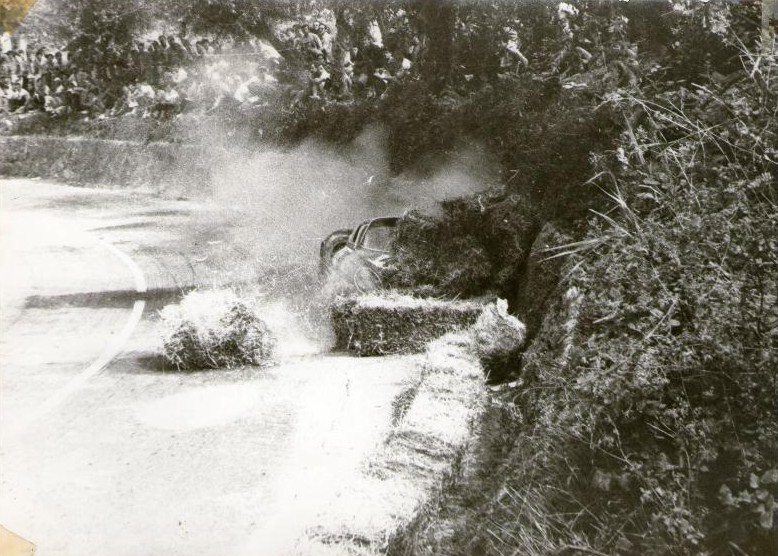
Sadly, the appearance of “Alfa Romeo 33 Stradale” happened at the same time as arisen unrest in France and Italy. It had a huge impact on the Italian industry, therefore, it was working only at 10-15% industrial capacity.

The “Alfa Romeo” supercar found itself in the middle of this crisis. Unfortunately, there were only 18 units ordered and it took 2 years to make them.

Today, “Alfa Romeo 33 Stradale” can be found at museums or at special events, where this Italian car always attracts the attention of the visitors.

It is considered, that, for this day, the original “33 Stradale” model can be worth at least 10 mln euro.

VIDEO

FOLLOW OUR YOUTUBE CHANNEL
BACK STORY
NEXT STORY

Top 5

smallest cars in the world

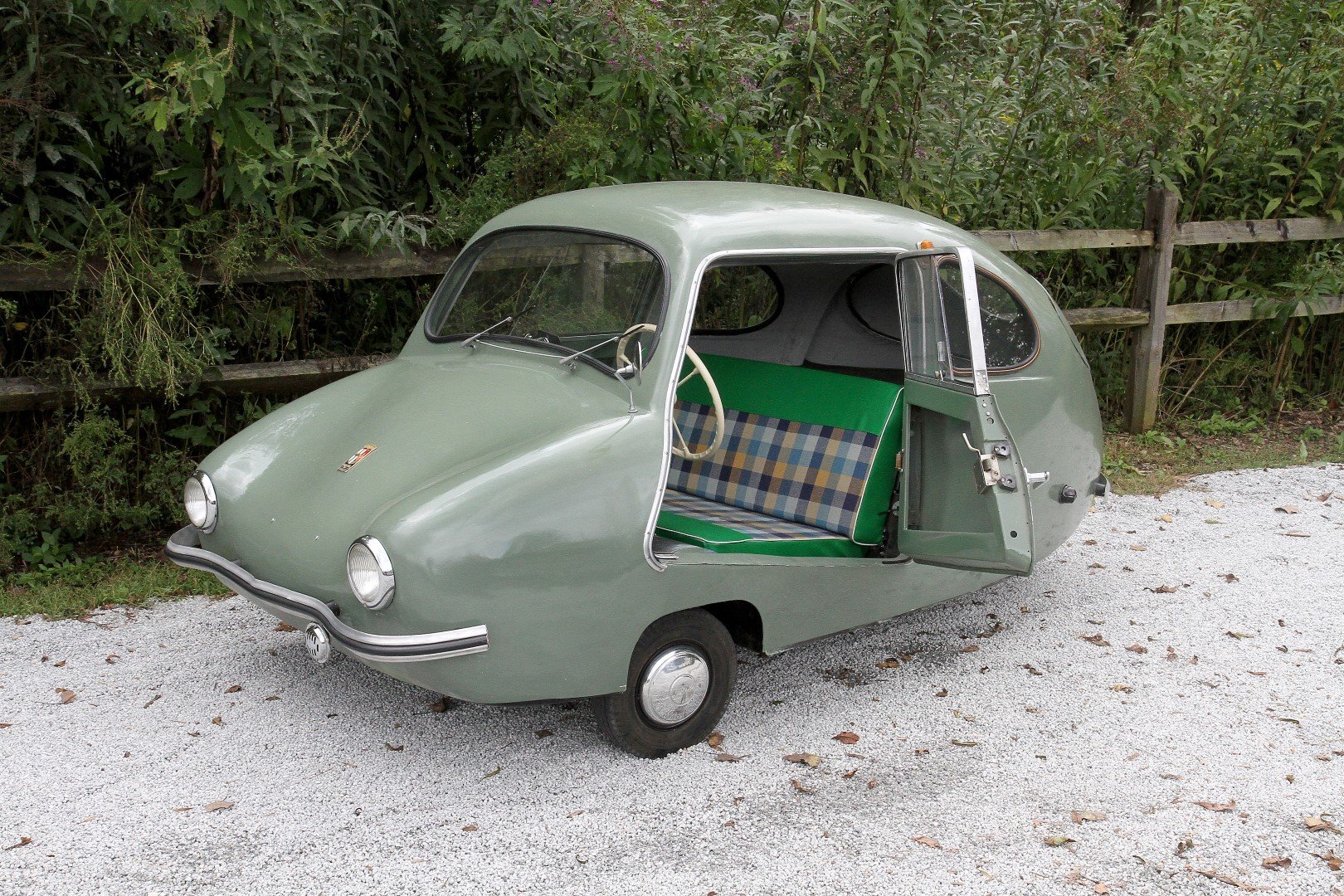
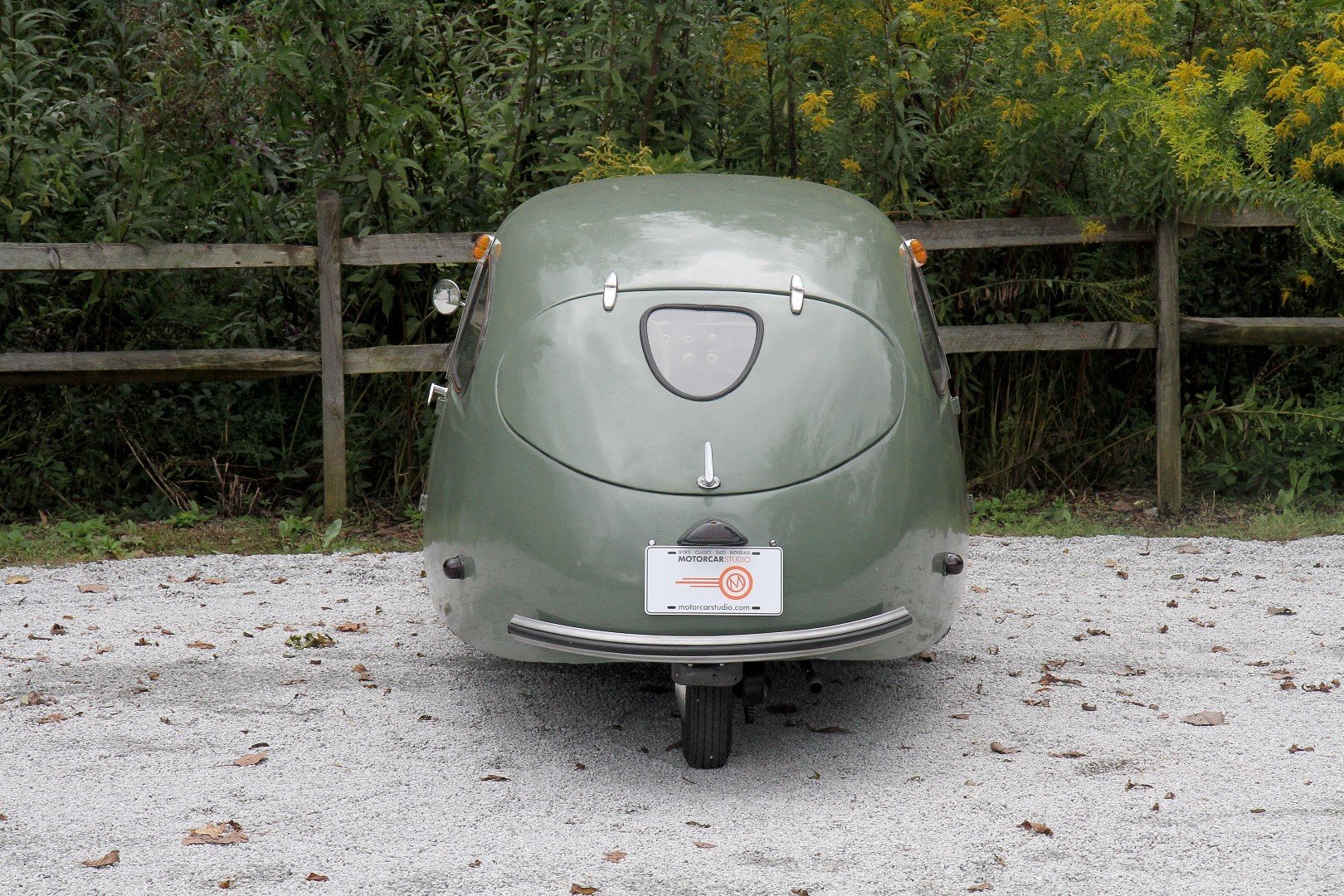
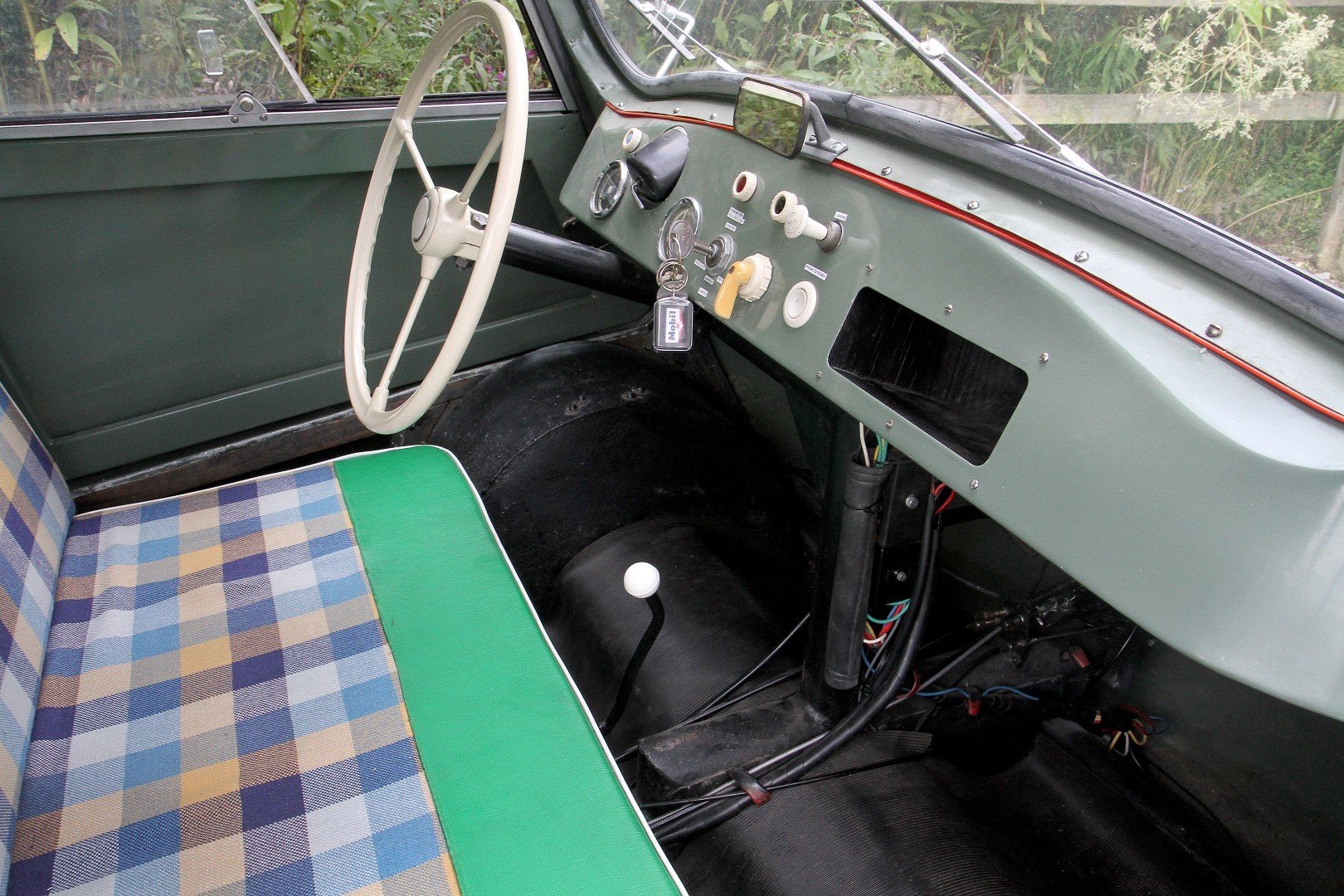
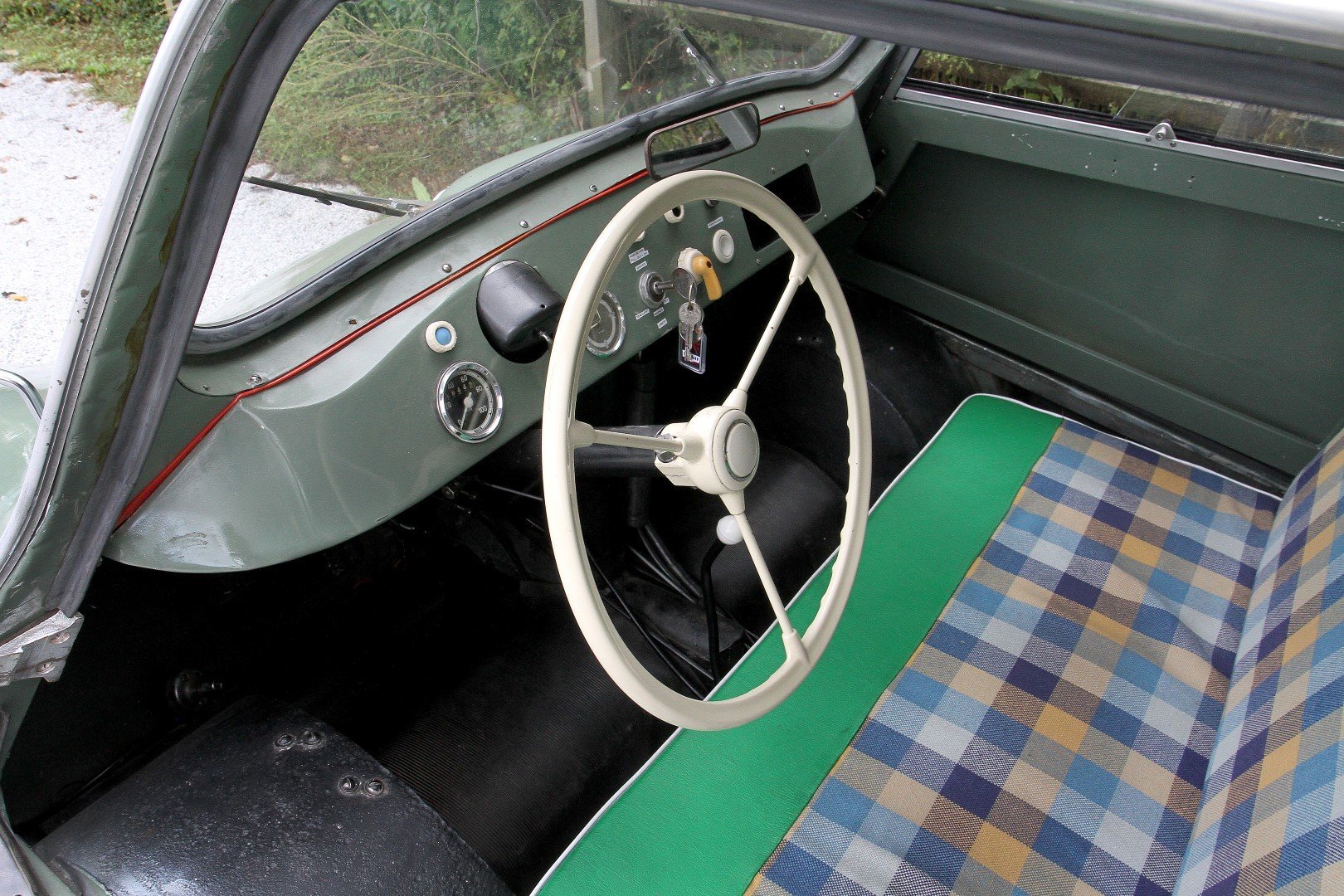
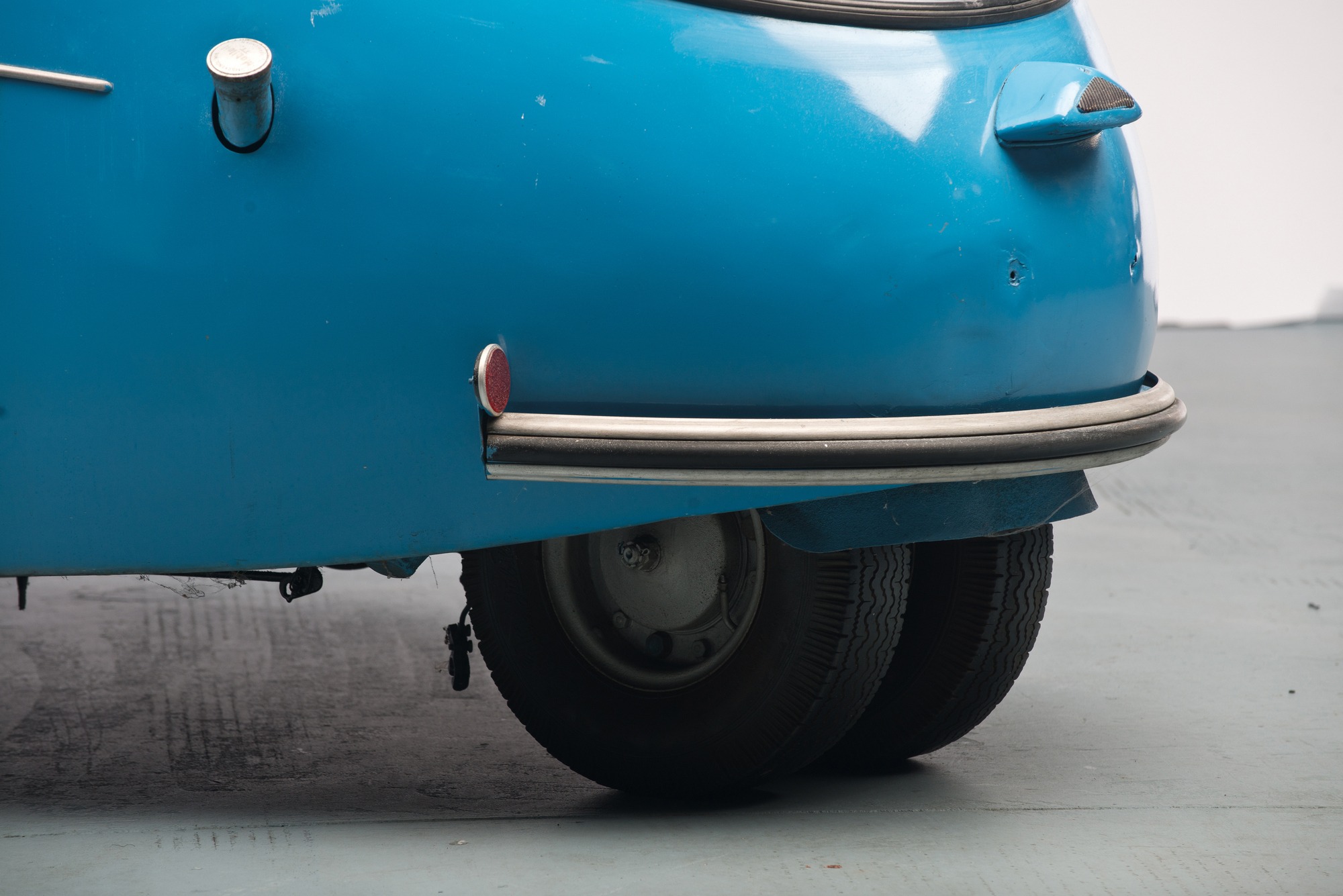
The Fuldamobil

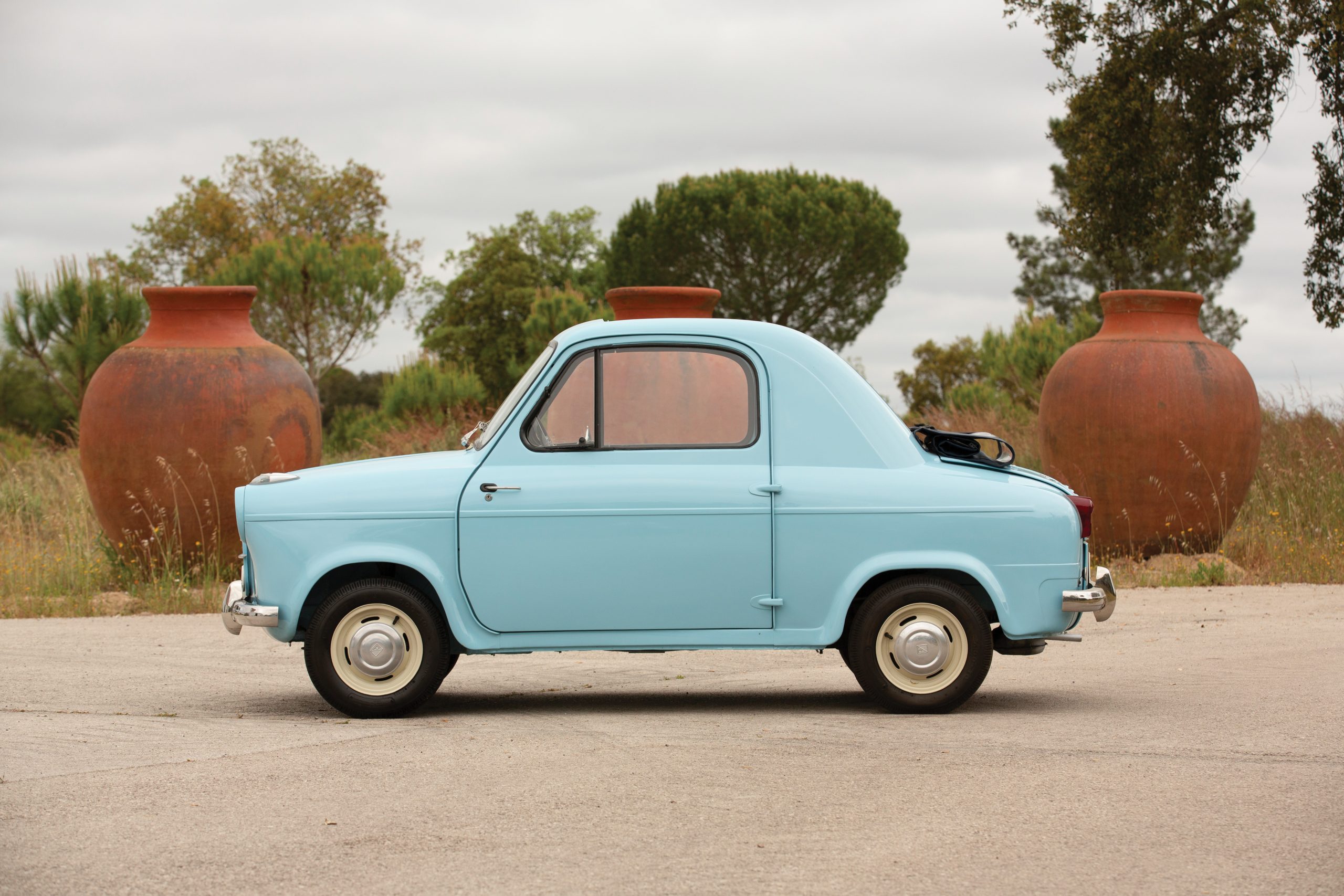
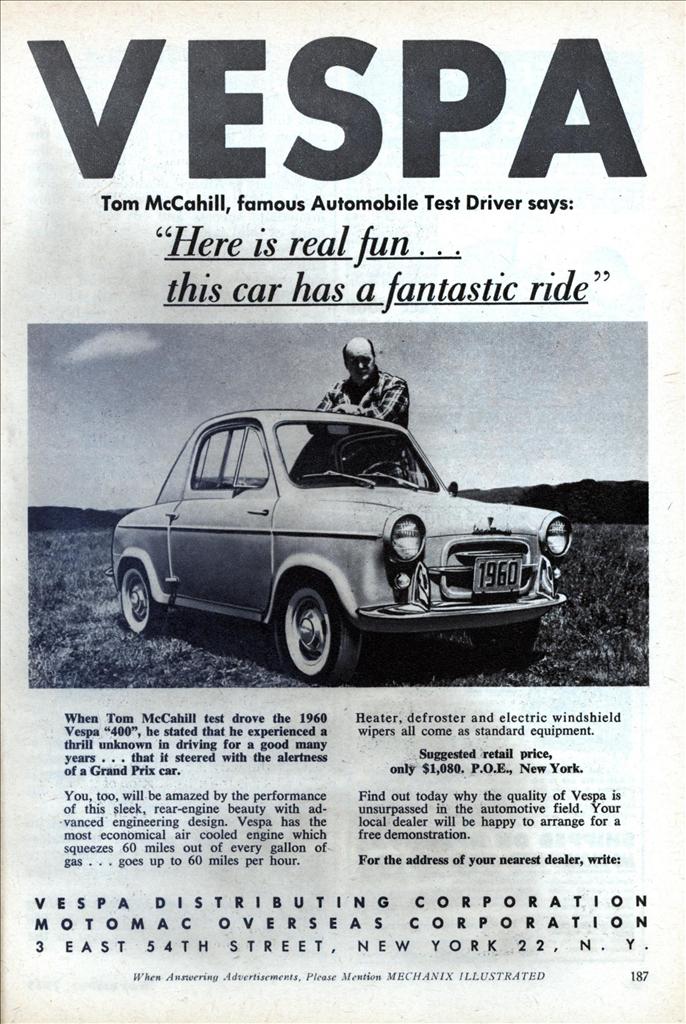
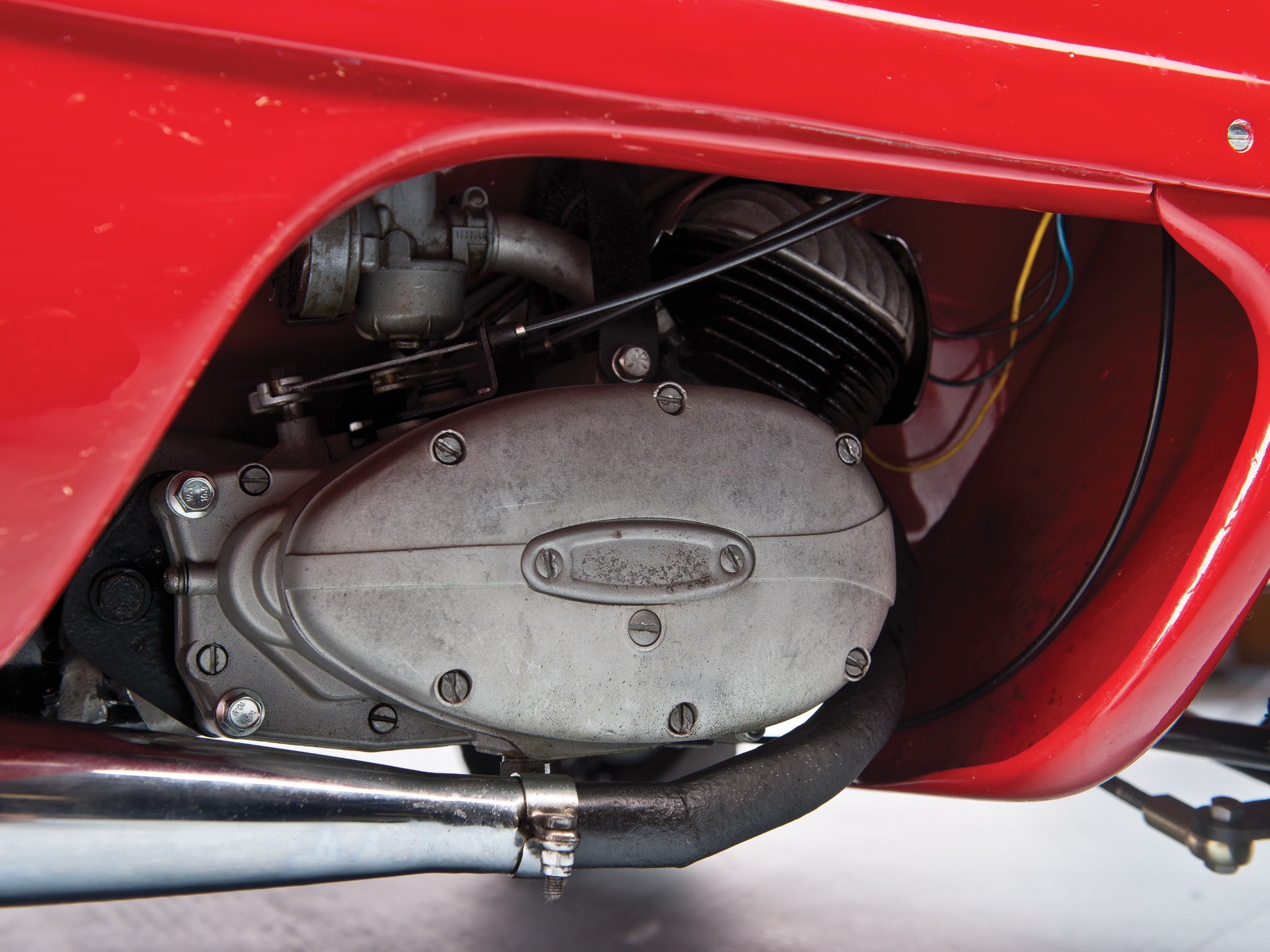
Vespa 400

Peel P50

Isetta

Tango

For the last two decades, dimensions of the cars were growing in each car segment. Let's take 7 series BMW in the early 90s. It looked like a huge limo. Today - 5 series BMW, which is considered as middle size saloon has the same dimensions.  

If you're one of those who would like to see cars shrinking instead of growing - meet the tiniest cars in the world. These will not only fit in any crowded yard, but also might be carried as a sports bag by Arnold Shwarzneger.

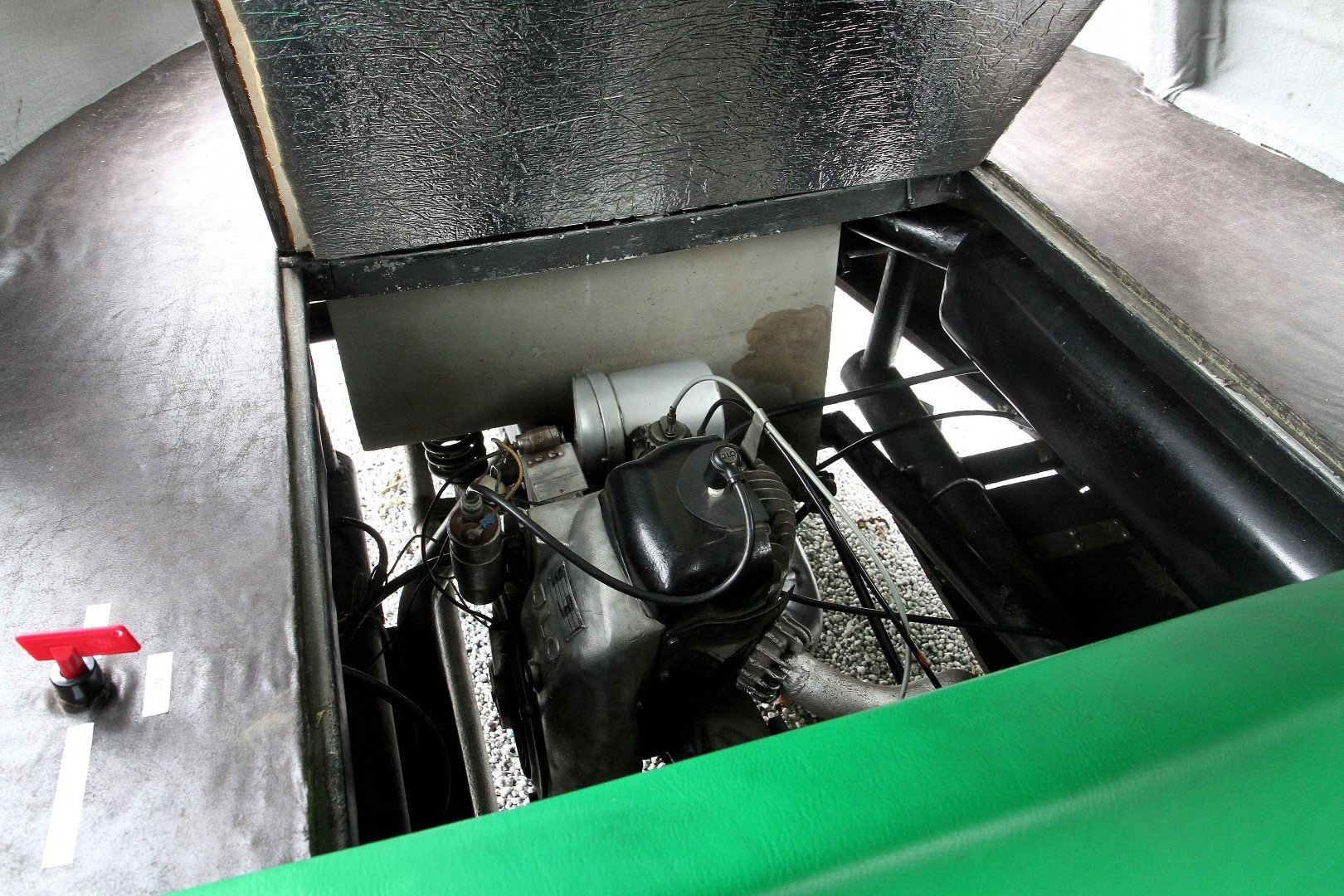
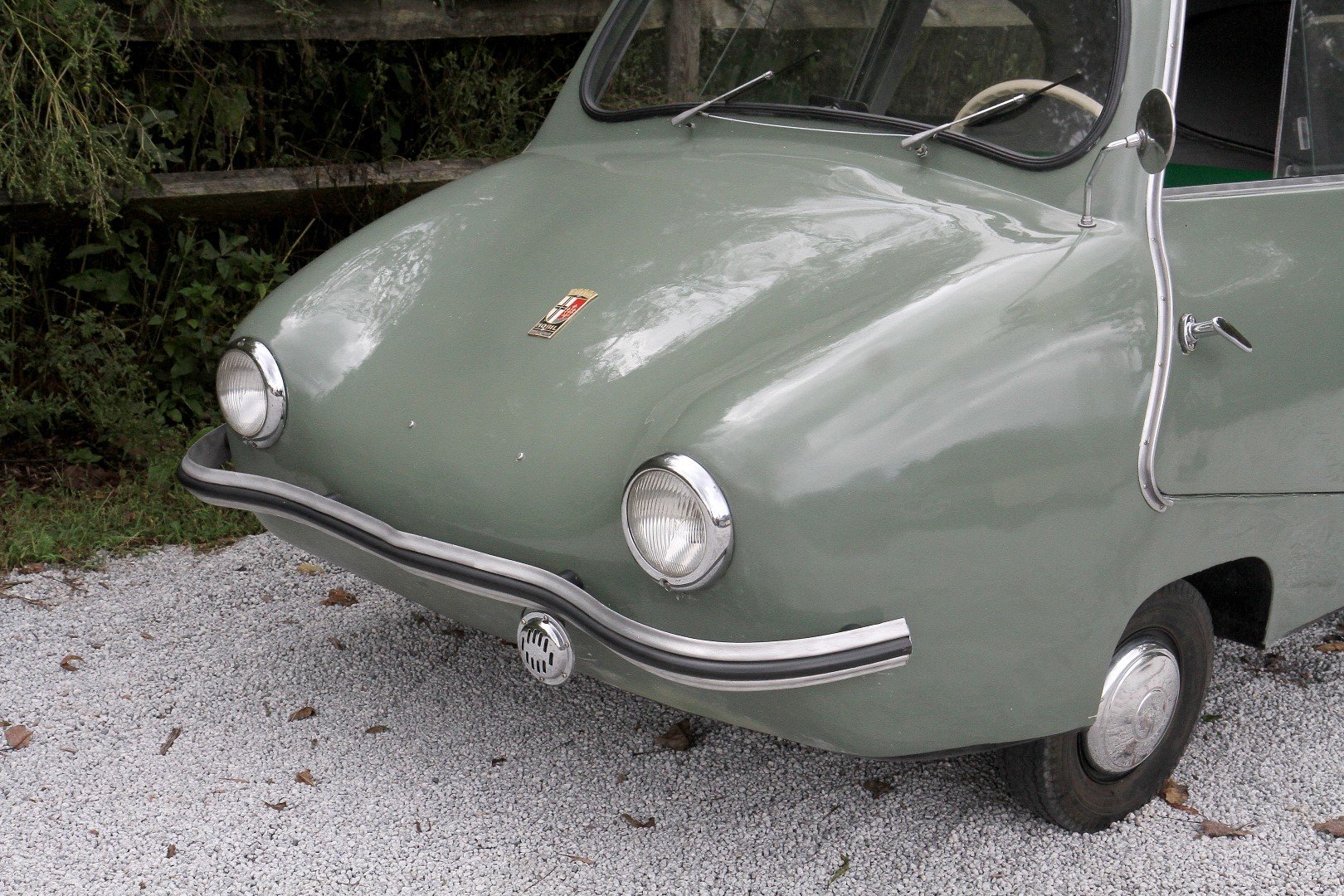
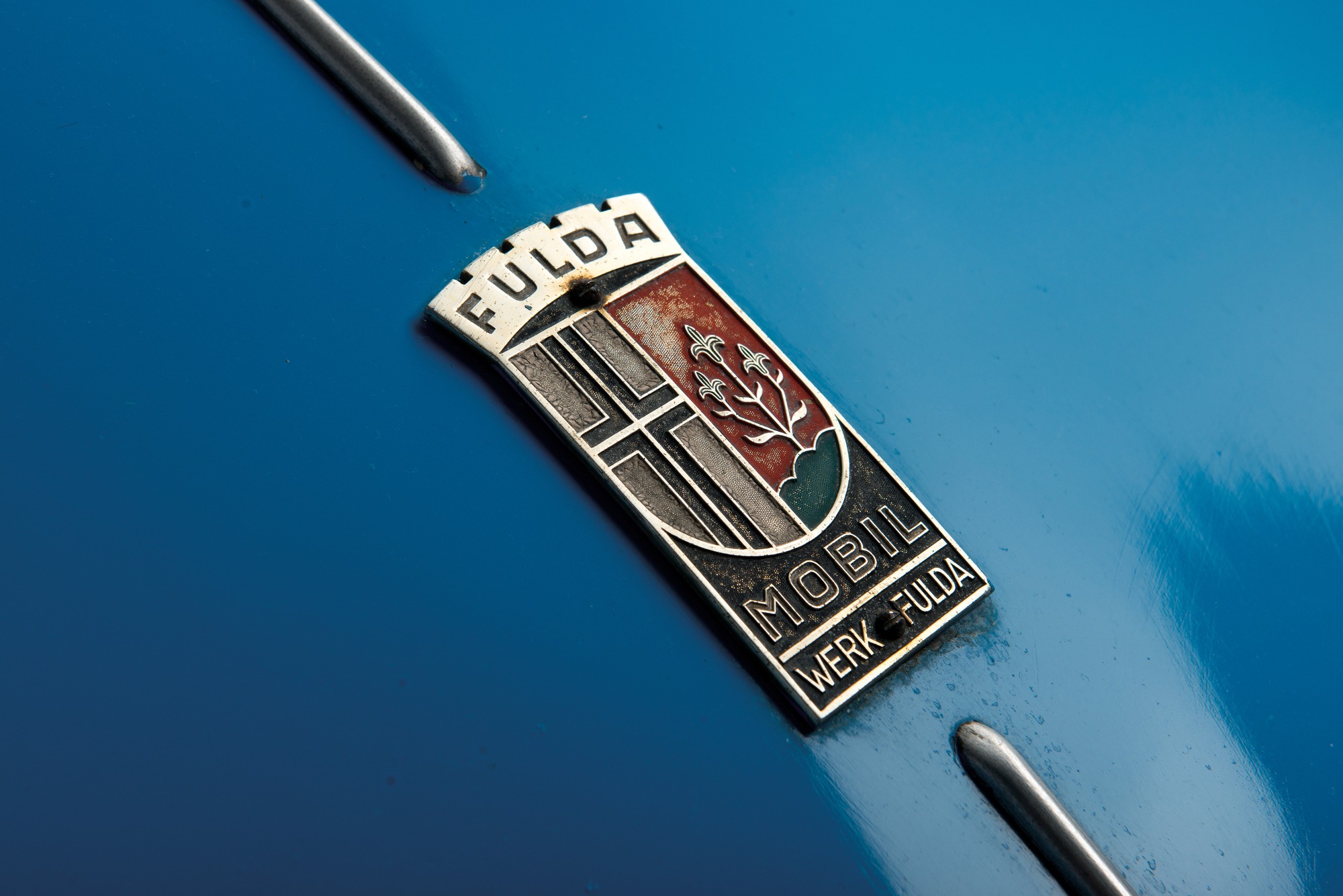
The Fuldamobil

Germany is the country of fast and powerful cars. Everyone knows that. It's also the country of exclusive design and experimental cars. 

Various experiments are born in the heads of engineers for multiple reasons. One of which is the passion to prove that it's possible to build an effective, eco-friendly and affordable car that would look rather attractive.

Fuldamobil is one of those carmakers which cannot be fitted in any standard. There is a very thrilling person behind the story of the birth of the company - Norbert Stevenson. He was a freelance journalist who was so much into the design of the cars that he attracted companionship and founded small and tiny city cars manufacturing company.

For quite a short period when the company was up and running Fuldamobil released a few different but also familiar car models. Unfortunately, these cars attracted the attention of the industry just for five minutes.

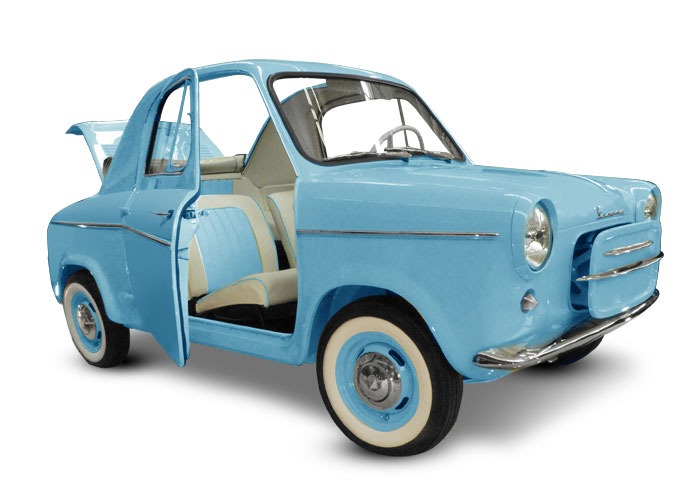
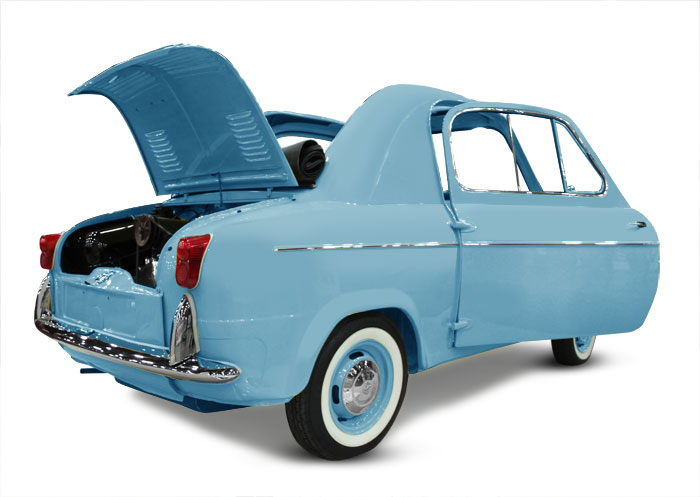
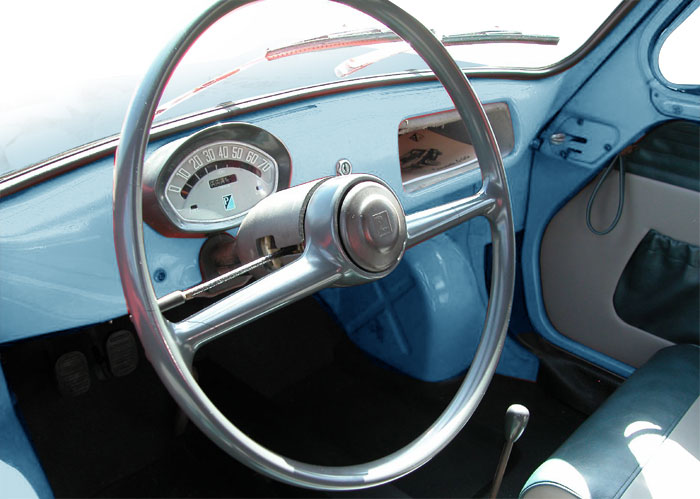
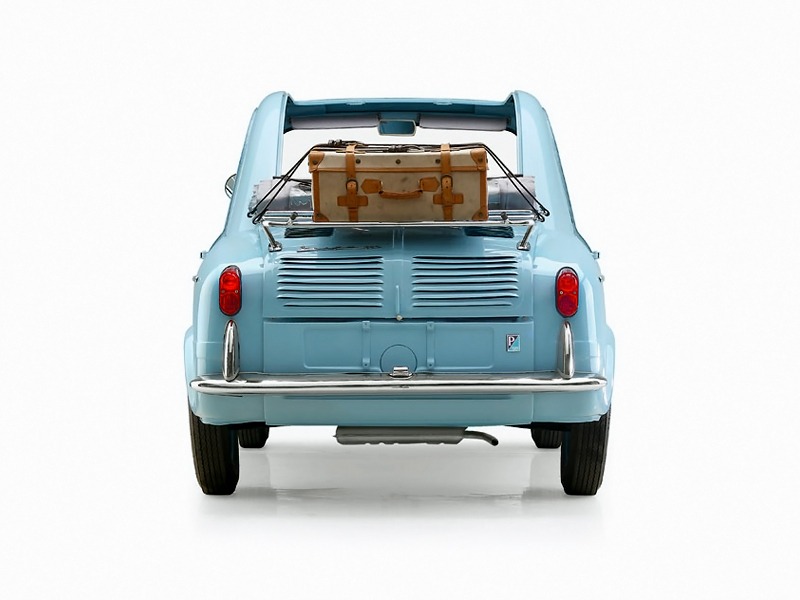
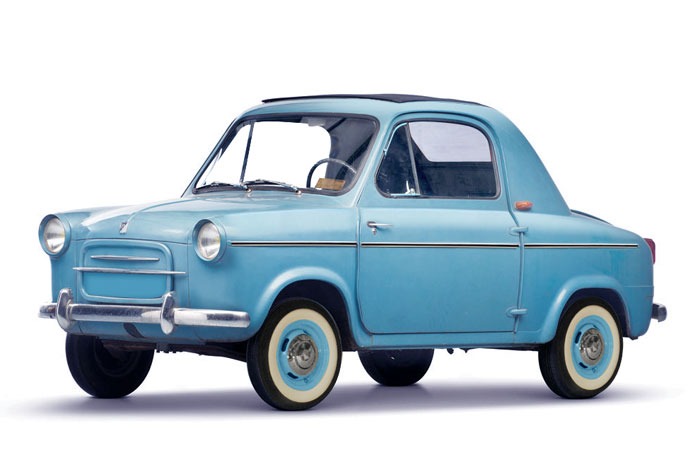
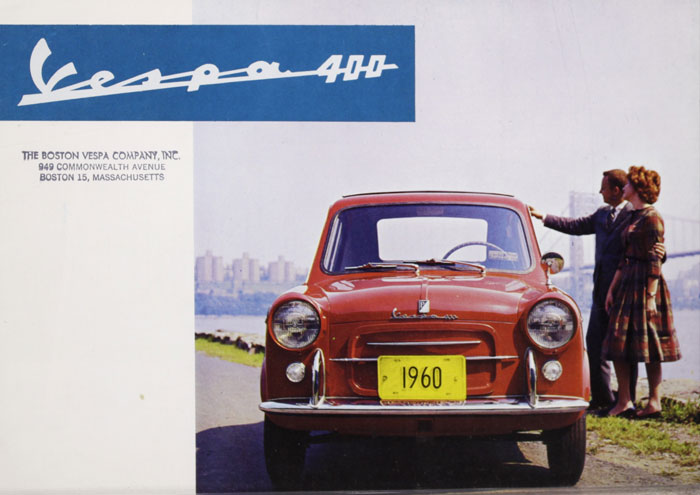
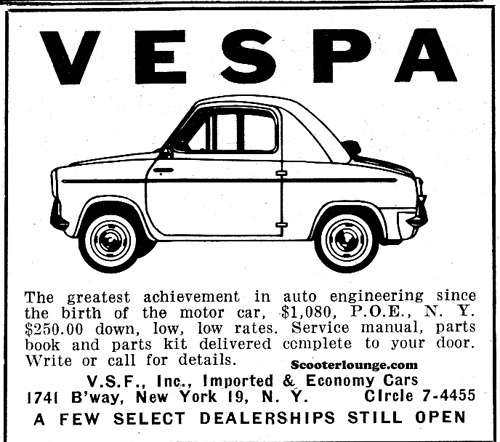
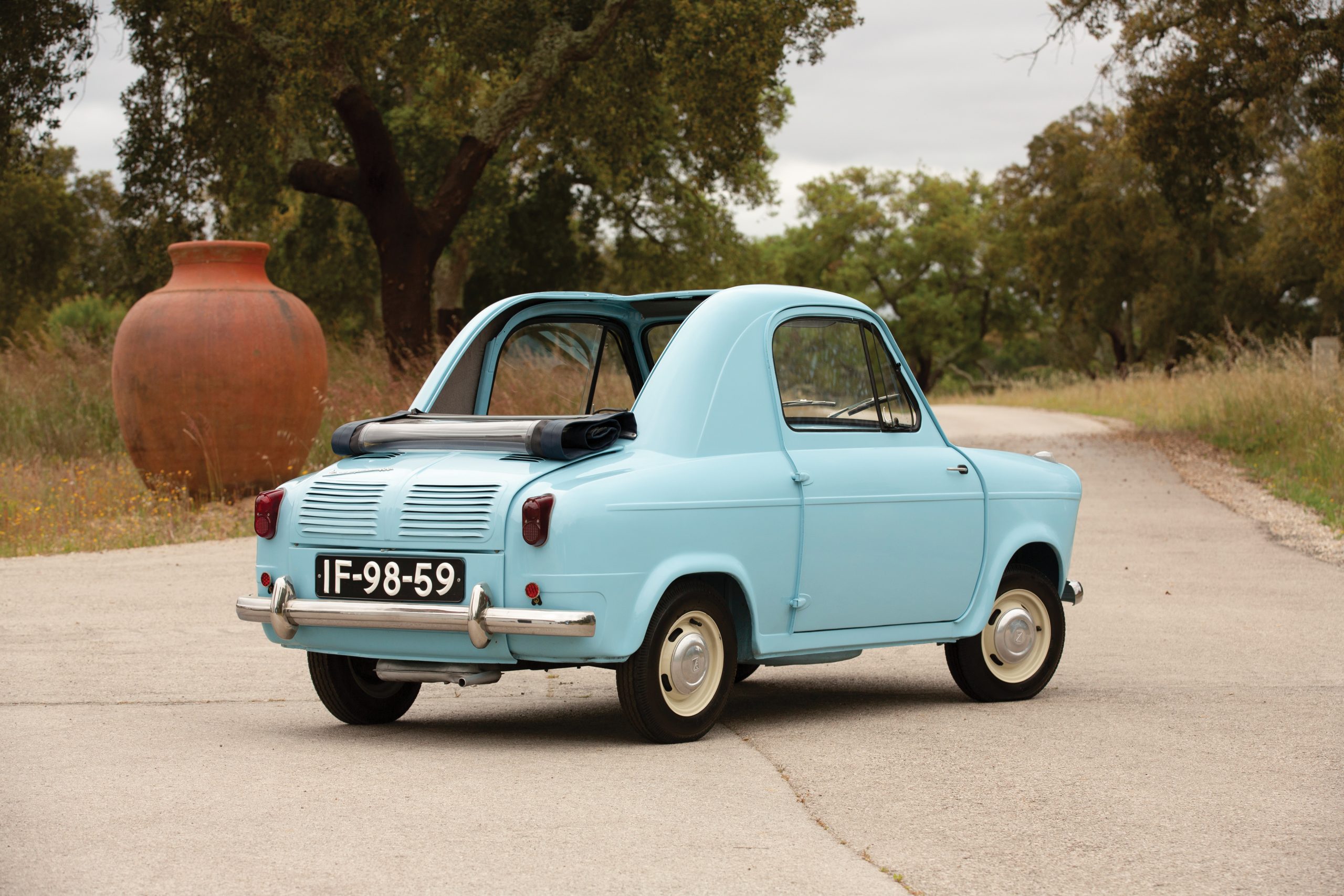
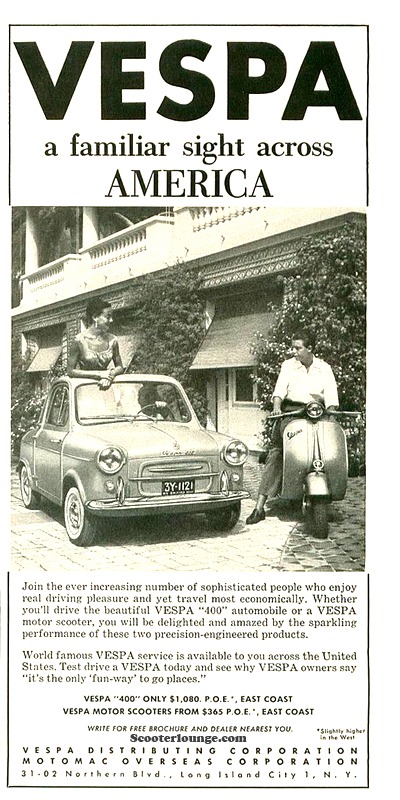
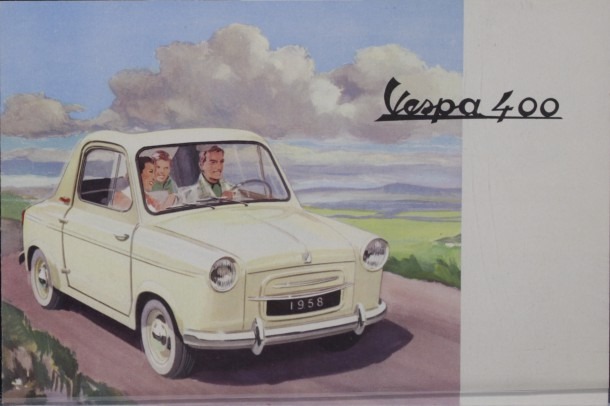
Vespa 400

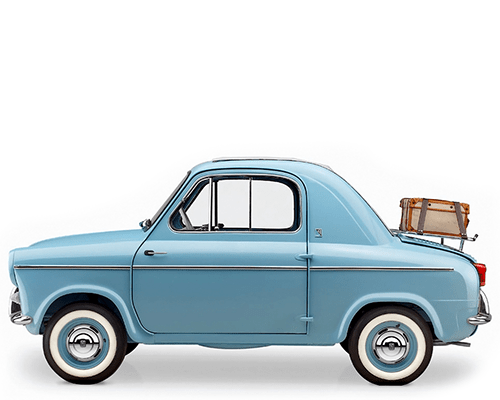
Usually, a shiny Vespa badge is located on fancy scooters which allow you to go through the city jungle. But in the late 60s company managers tried to enter into the mass car production with this stylish rear-wheel-drive Cabrio.

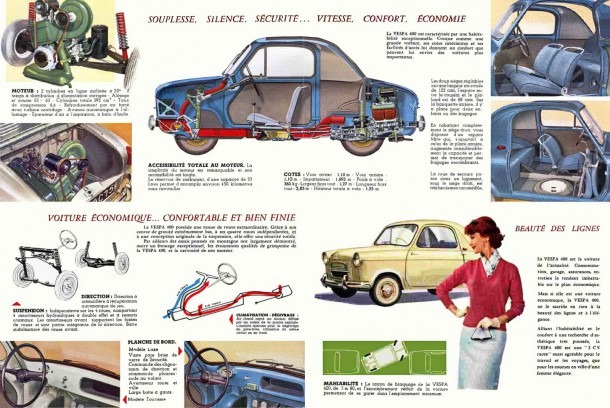
As small as 2,8 meters in length was run by tiny 0,4 liters two-cylinders petrol engine. Lofty modern cars would laugh out lout from this little one. However, as it weighted only 375 kilograms it was dynamic enough to go through cars-flooded city streets.  

In our small city cars list Vespa 400 is one of two commercially successful models. Vespa managed to sell more than 12 thousand of cars in 1958 only. The vast majority of these baby cars were running in the streets of France and Italy. 

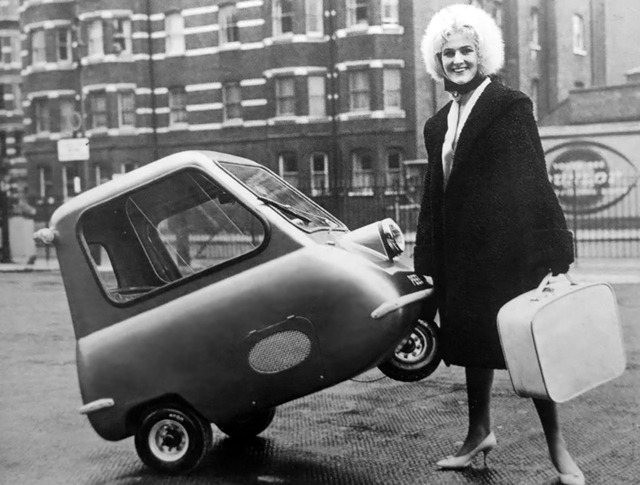
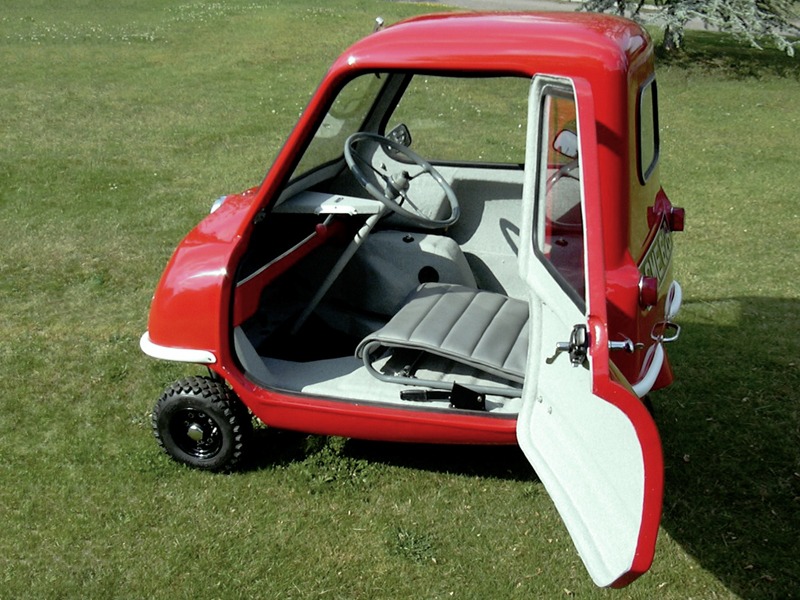
Peel P50

This tiny dwarf rose and shine thanks to the Top Gear team. It's considered to be the smallest car in the world. Meaning that up to now there is not a single daredevil who would build a car as small as 134 cm in length, 99 cm in width, and height of just 100 cm. 

Orignal Peel P50 was introduced and manufactured from 1962 to 1965. At that time people did not struggle with parking spots so extremely small and cheap car interested an extremely small audience.

But now, original and authentic Peel P50 is worth much more than a brand new Porsche 911. Recently in the classic cars auction, Peel 50 were sold for jaws breaking sum - 124 000 EUR.

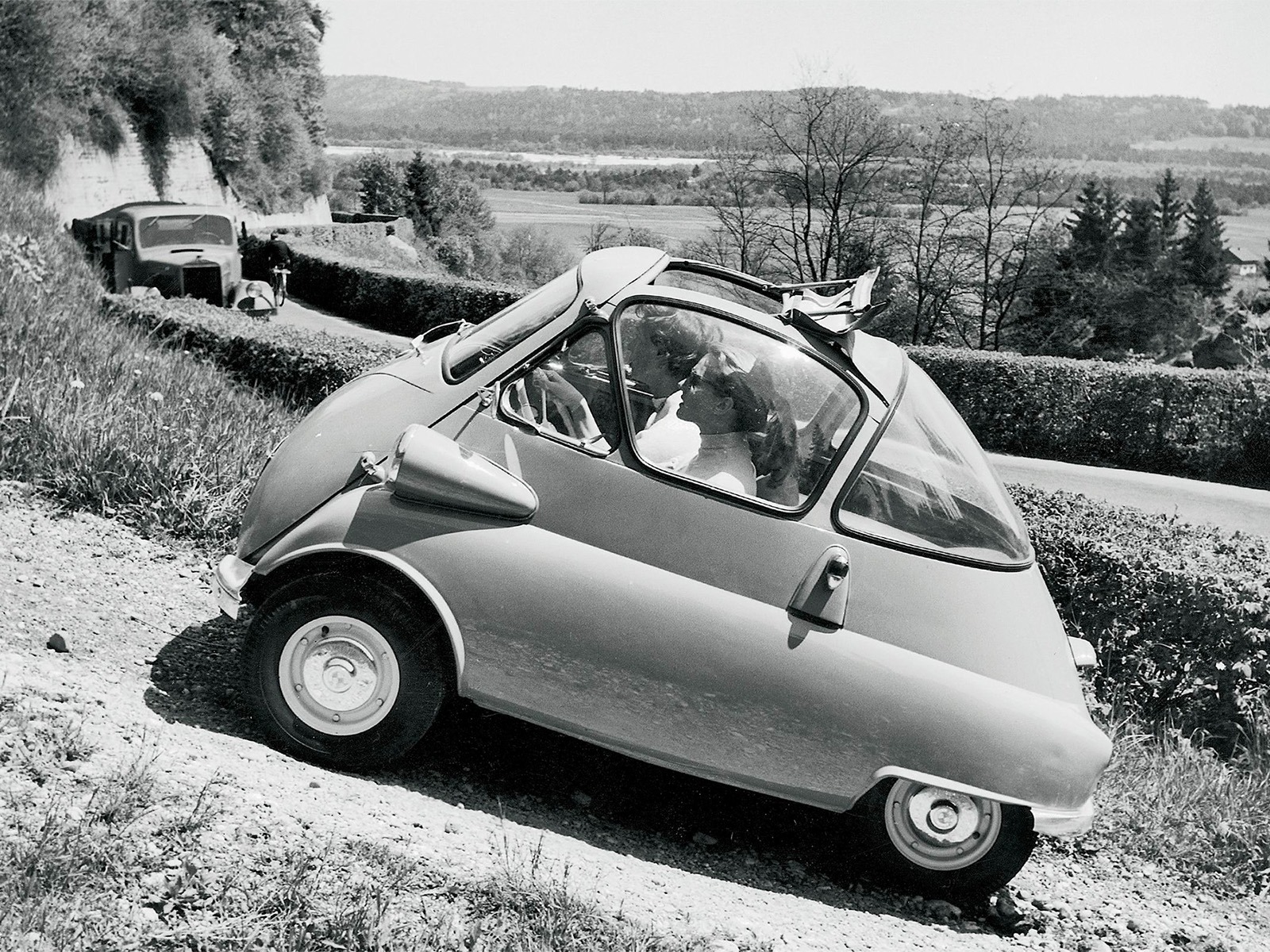
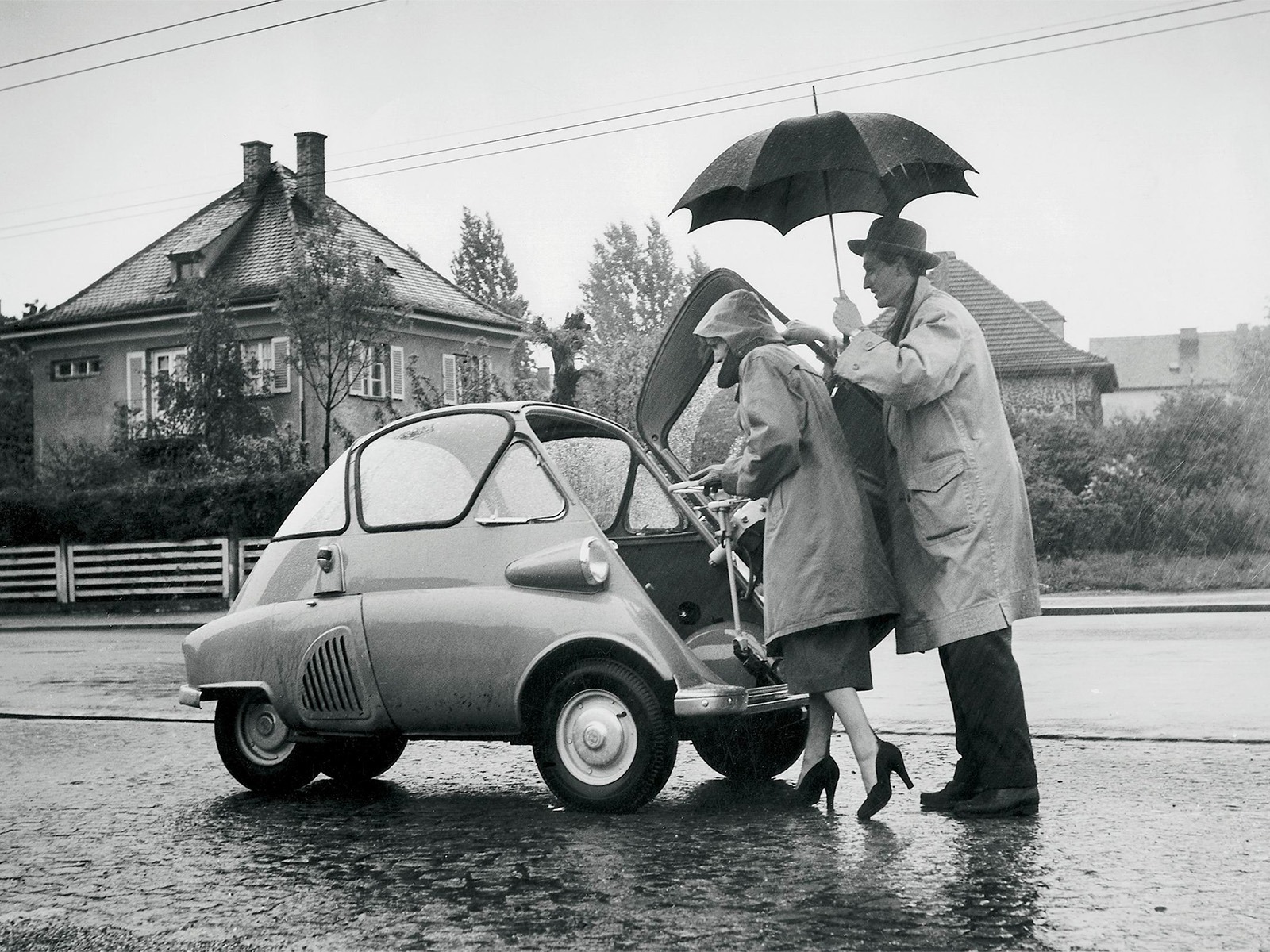
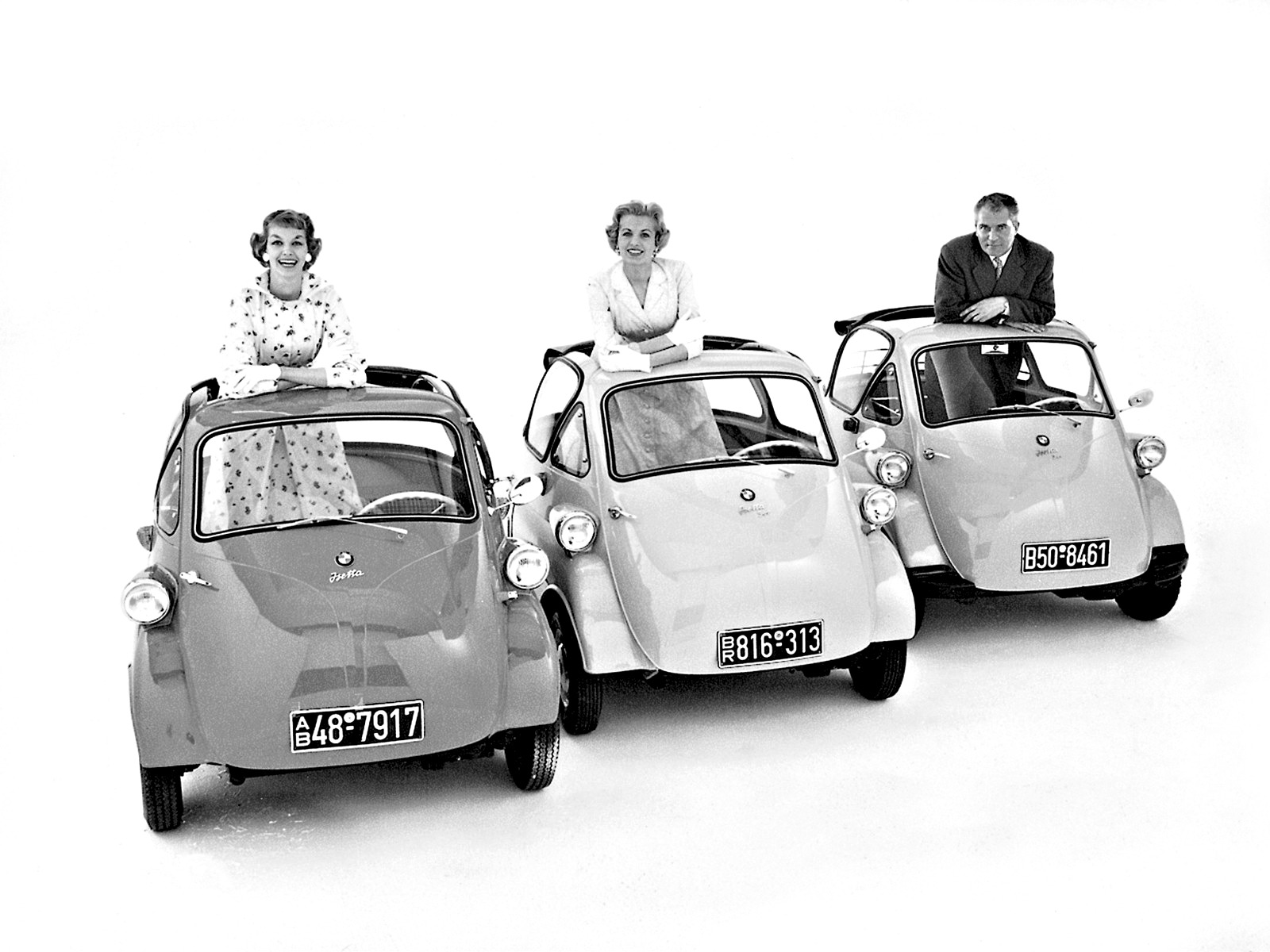
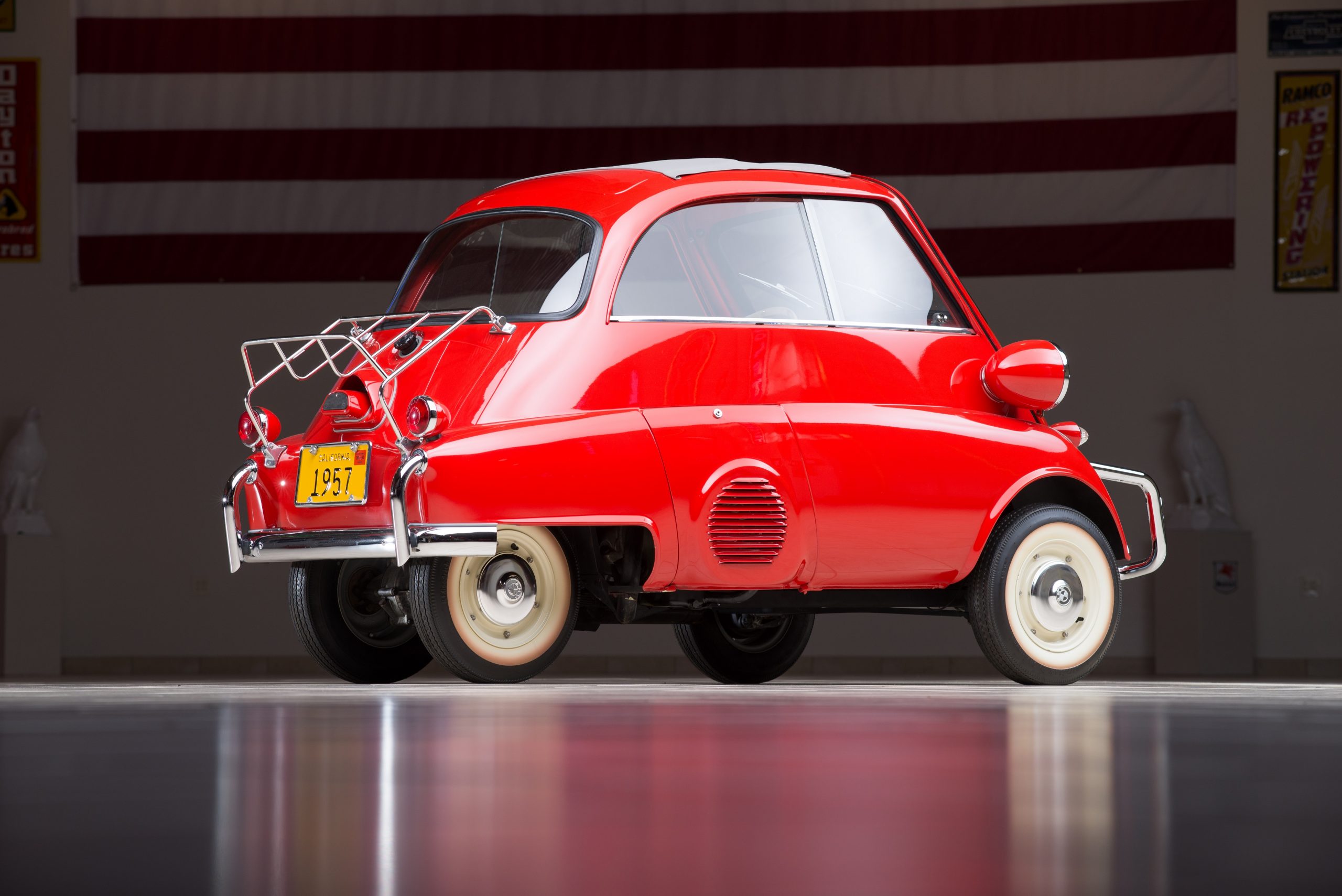
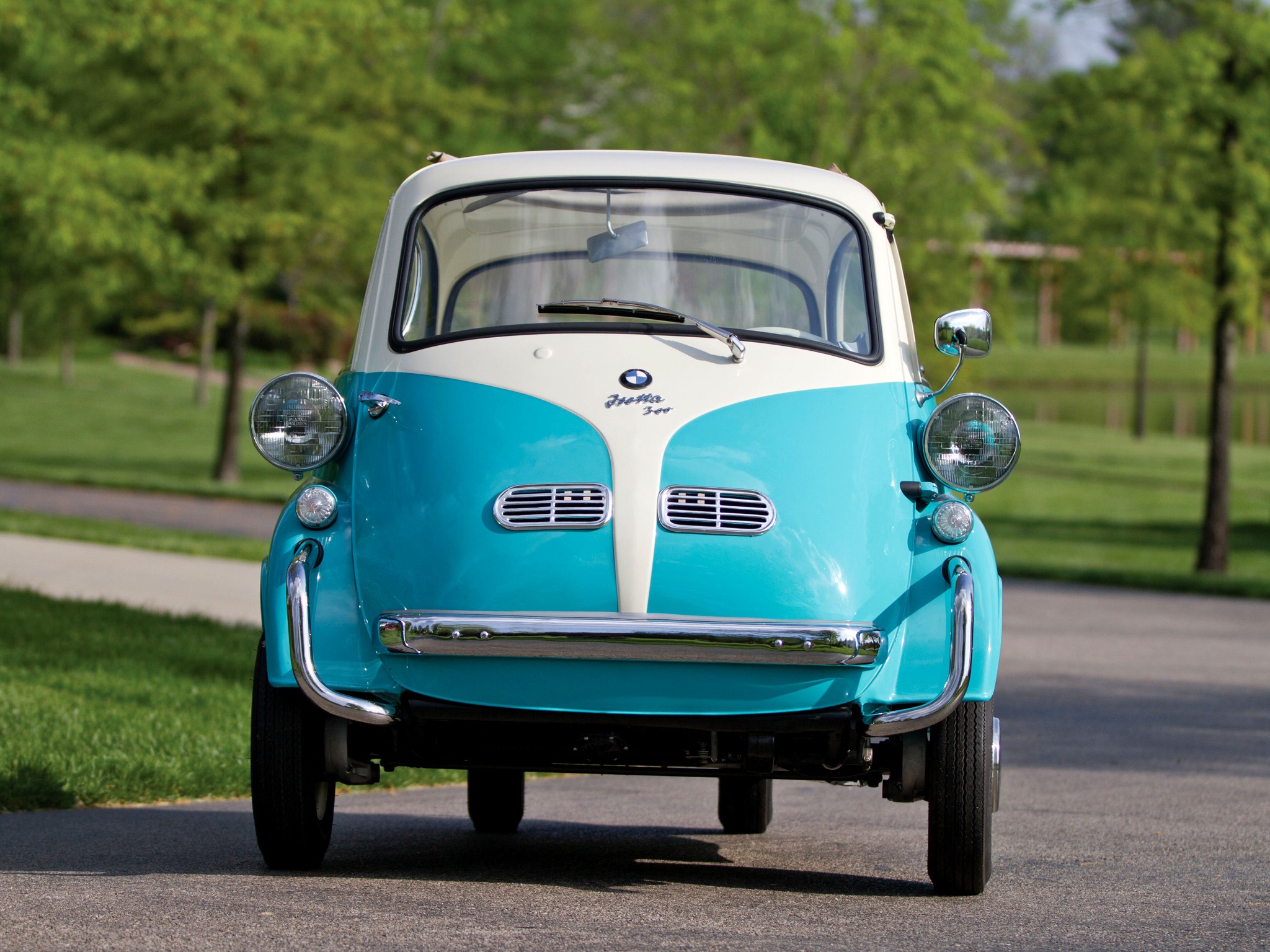
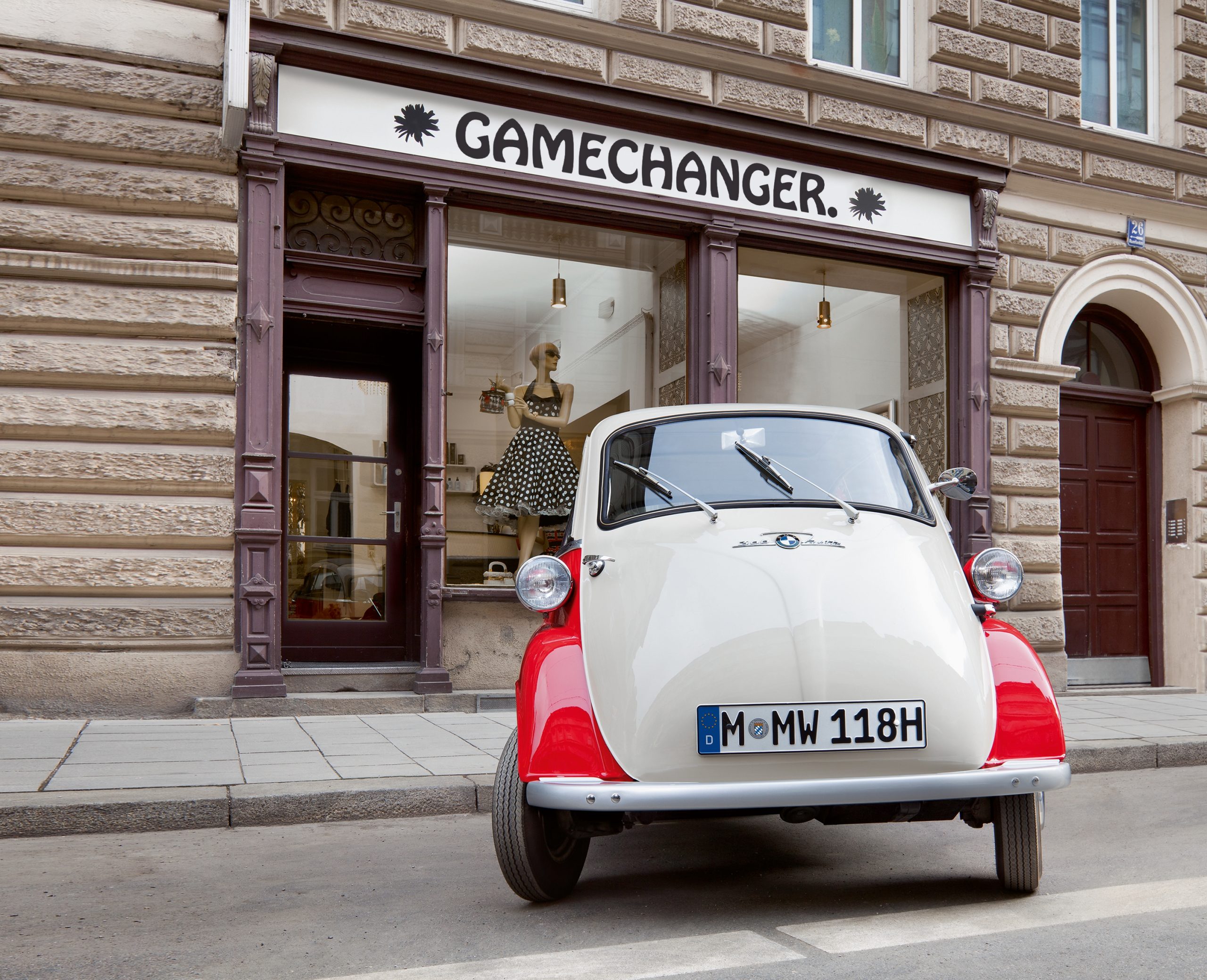
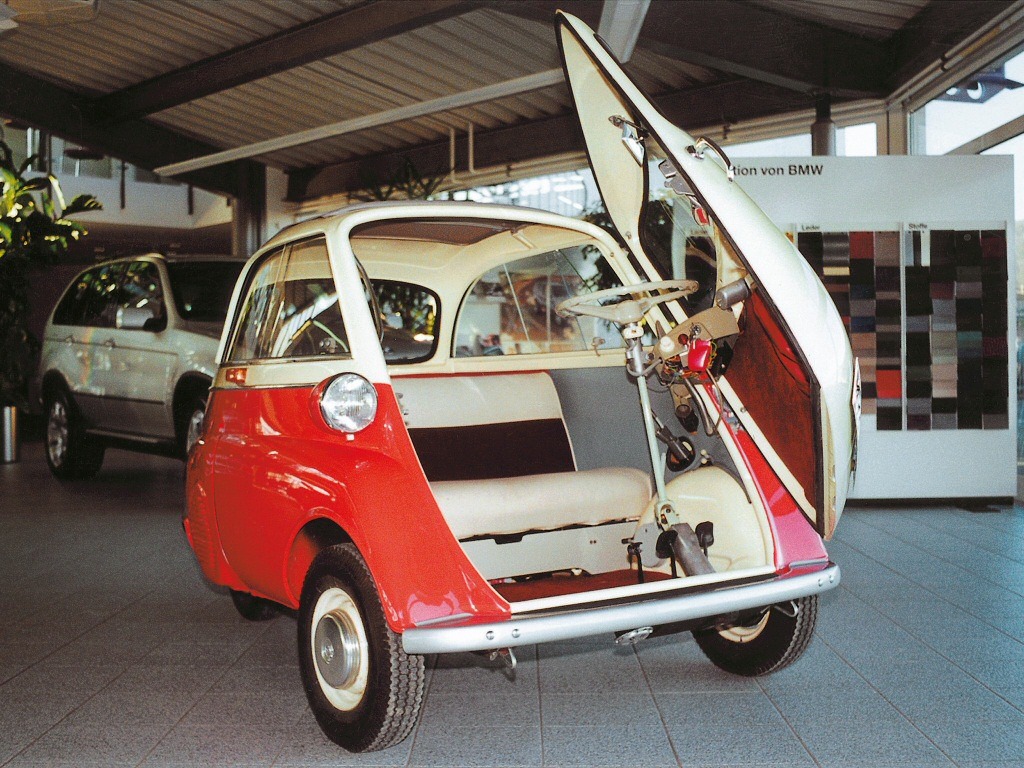
Isetta

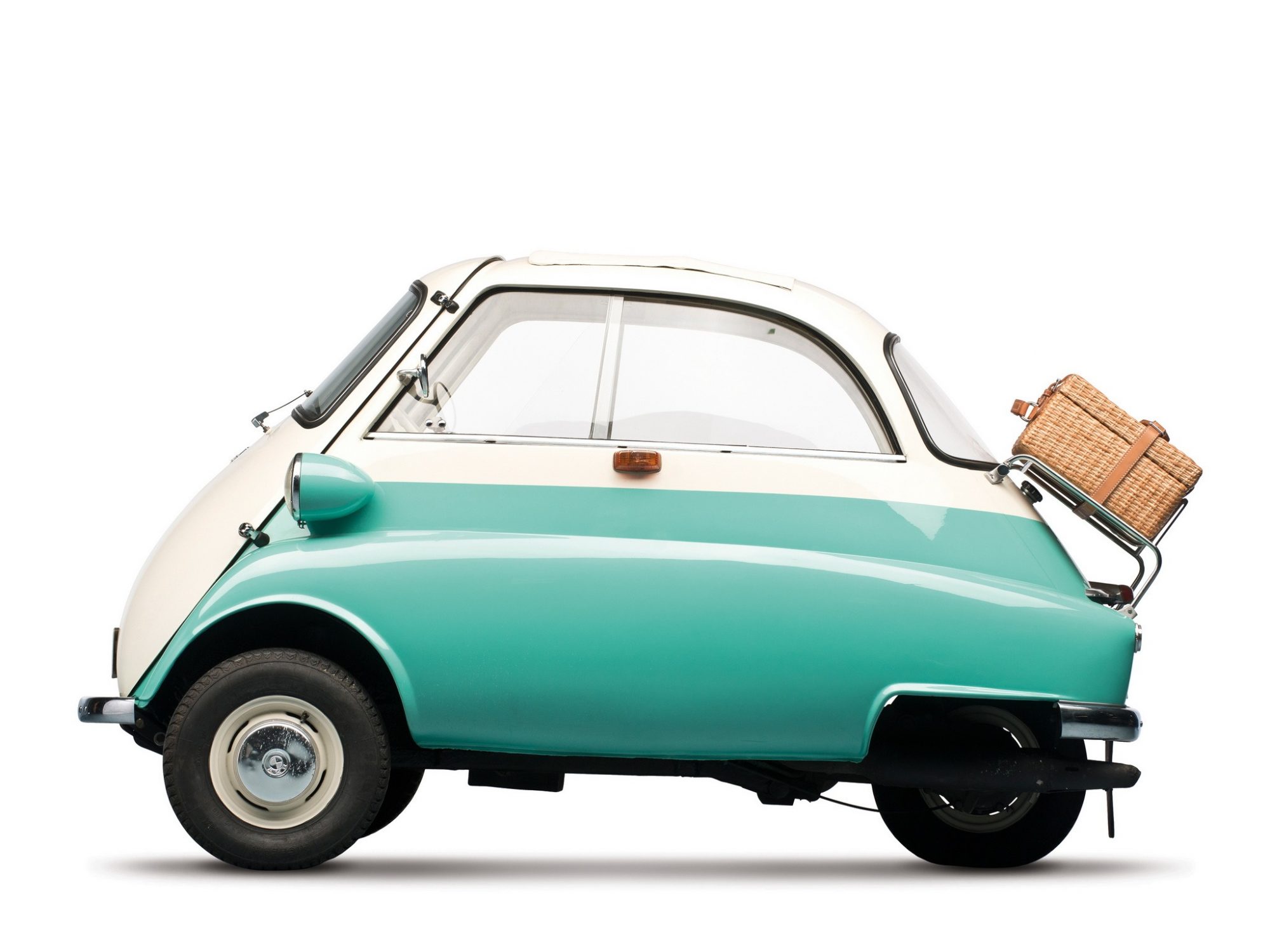
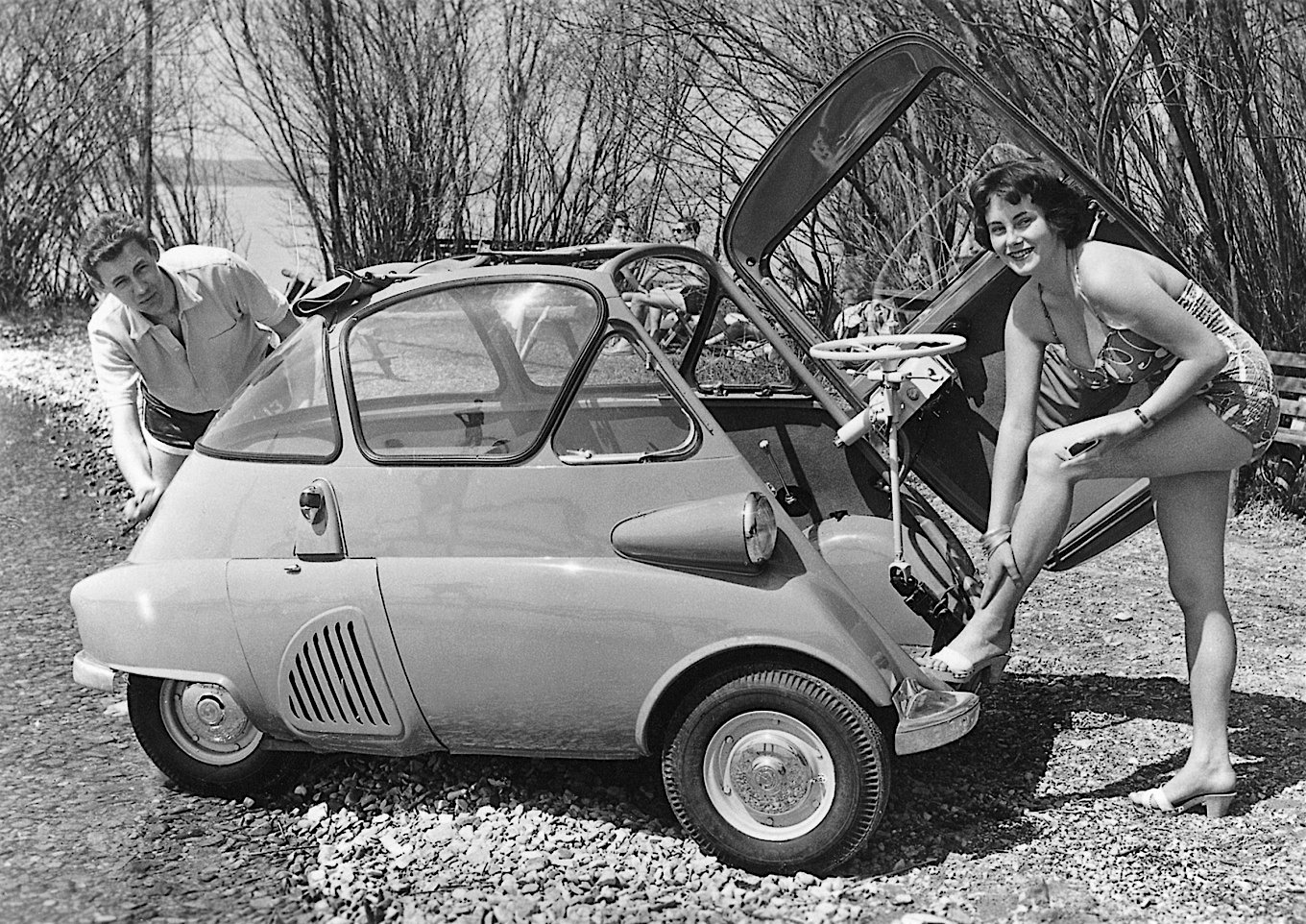
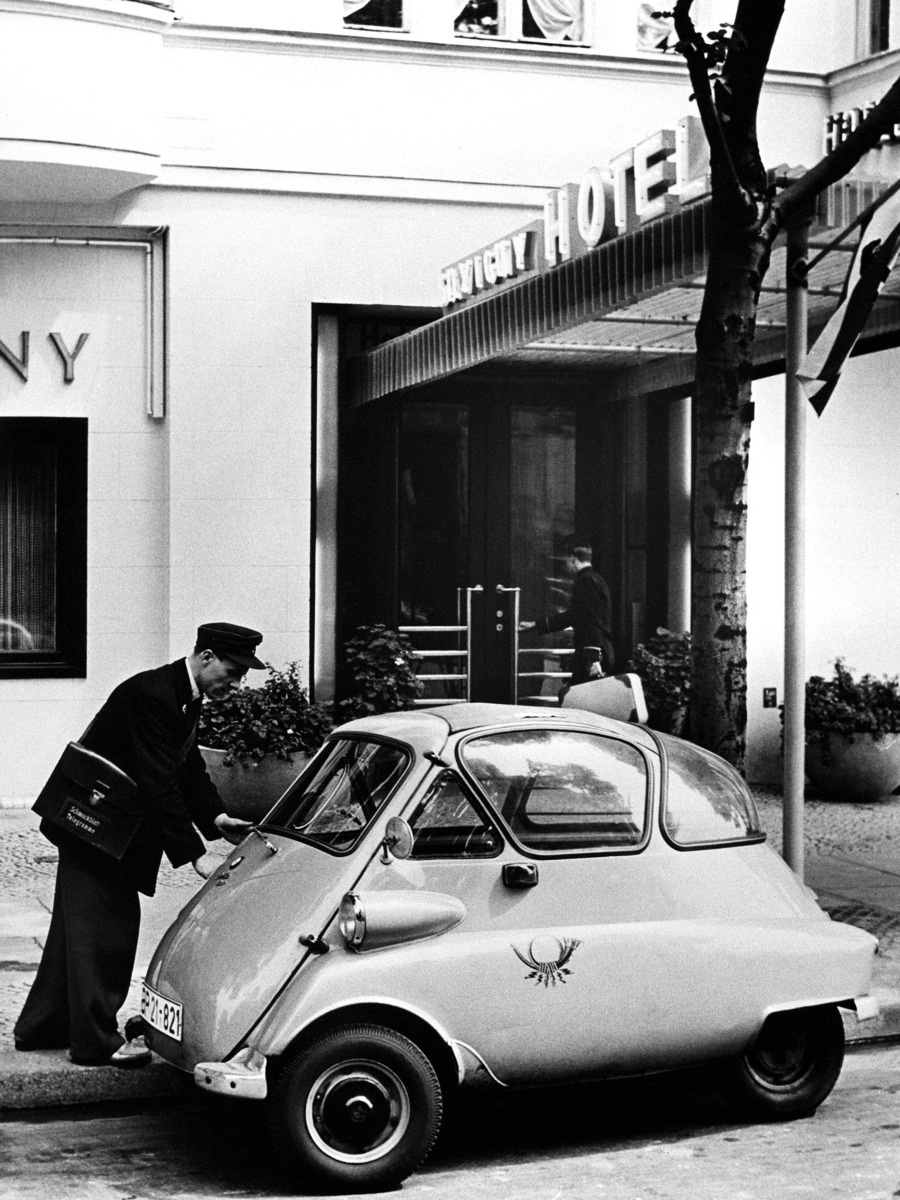
This baby car is in the shape of an egg and even today it looks like it's a future car. Designed in the early 60s this city car gained quick attention from the industry-leading car manufacturer.  

In 1955 BMW acquired the manufacturing licence of this little bubble and improved some key elements. In no time this car has become the most popular car ever made and run by a tiny one-cylinder engine. 

BMW Isetta had only 13HP engine but it took just three years to reach a goal of 160.000 of buyers which back then was a pure joy for BMW.

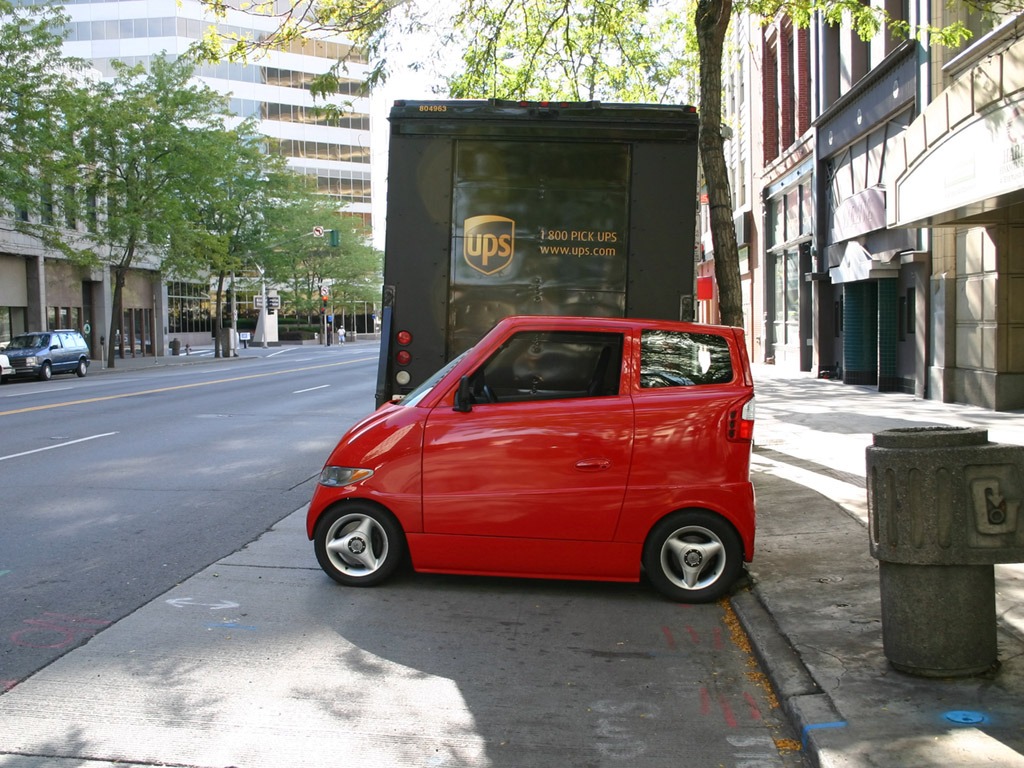
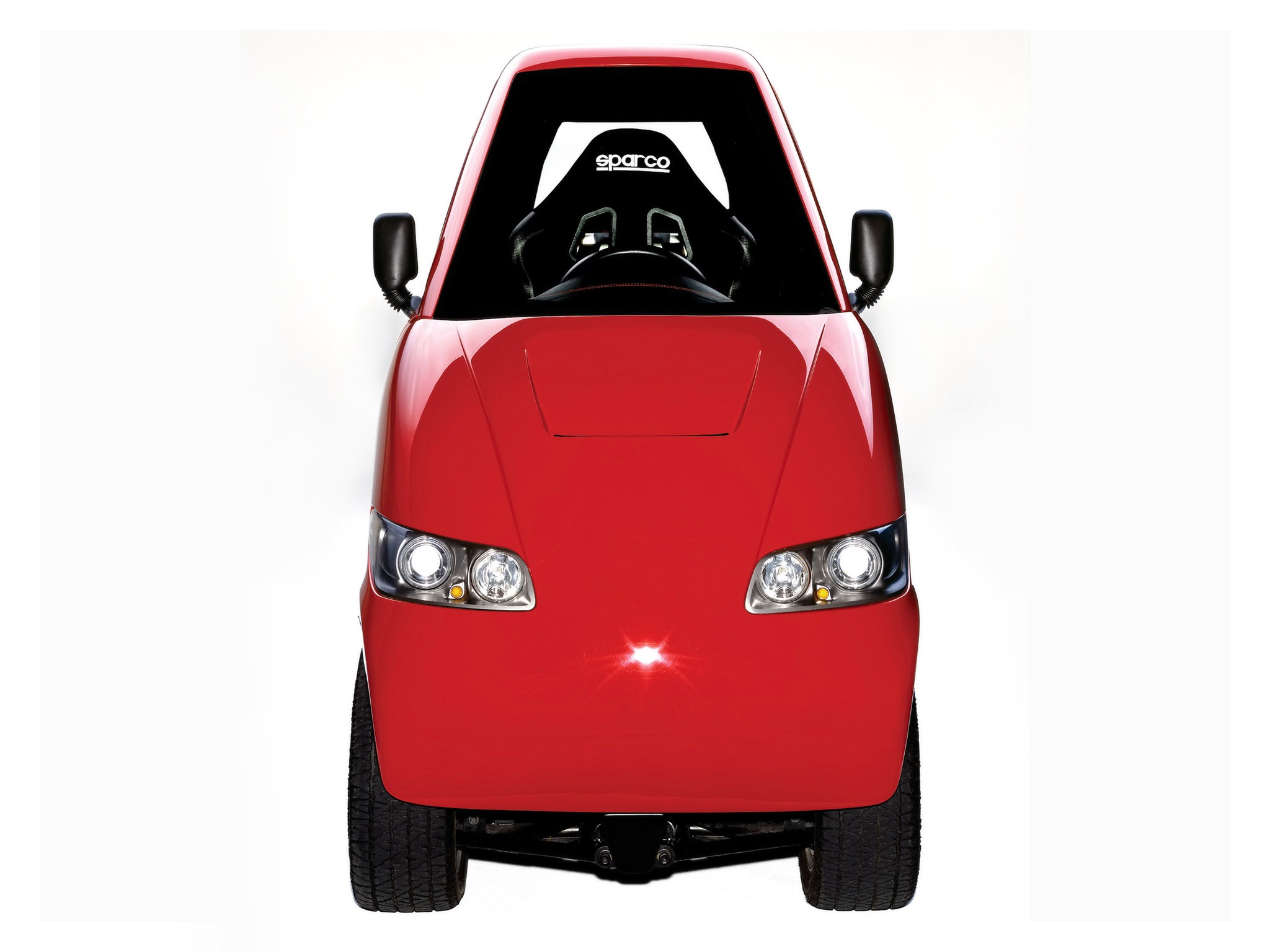
Commuter Cars Tango

Global cars' electrification seems very trendy nowadays and looks like it's gonna stay that way. EVs makers are really happy but it's a real torture to see such a growth for those, who started their' innovative electric automobiles projects a decade ago. As it was just too early.

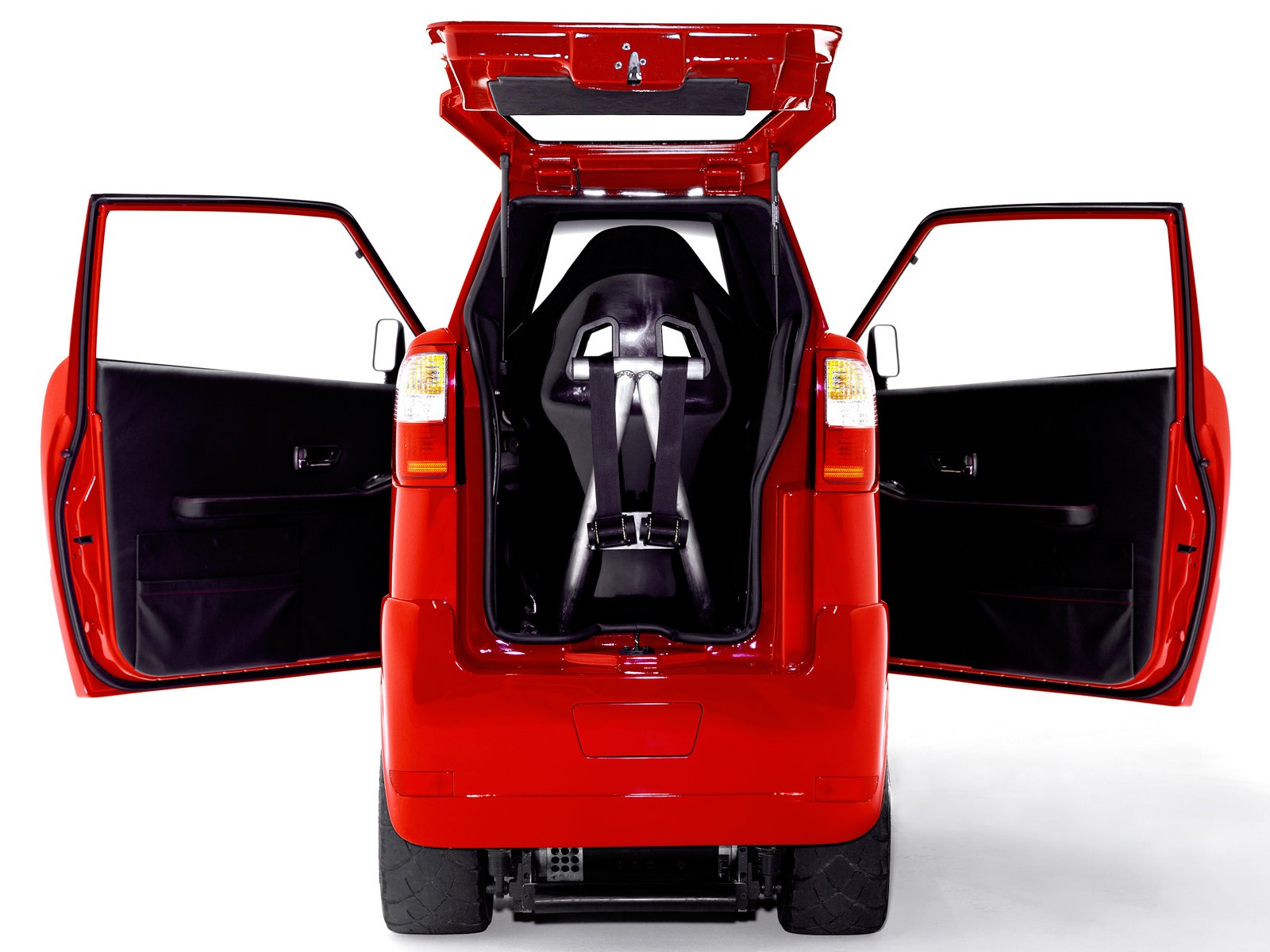
„Commuter Cars Tango“ is the small car with just 99 cm in width and 2,5 m in length. USA based company had an idea to sell this car for... 108000$.

The creators of the car stated that this huge price-tag does make sense bearing in mind some Tango T600 specs. For example, its dynamics.

0-100 kmh took just 3.2 seconds for this baby. And in the long run it could reach the maximum speed of 240 km/h.

VIDEO

FOLLOW OUR YOUTUBE CHANNEL
BACK STORY
NEXT STORY

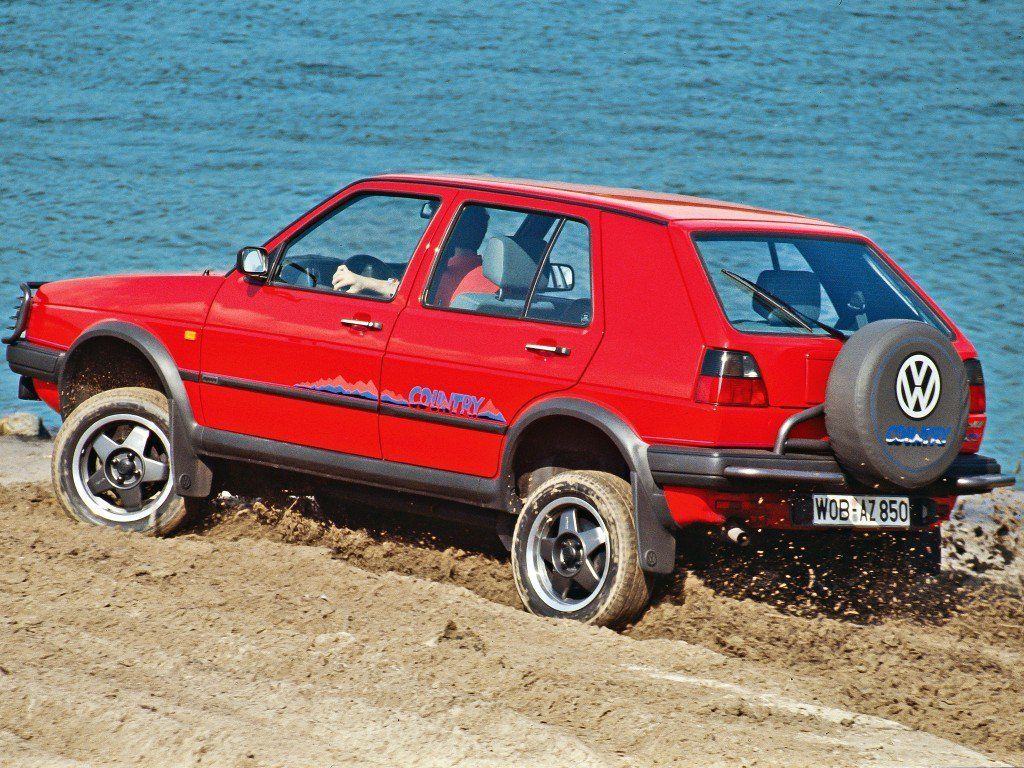
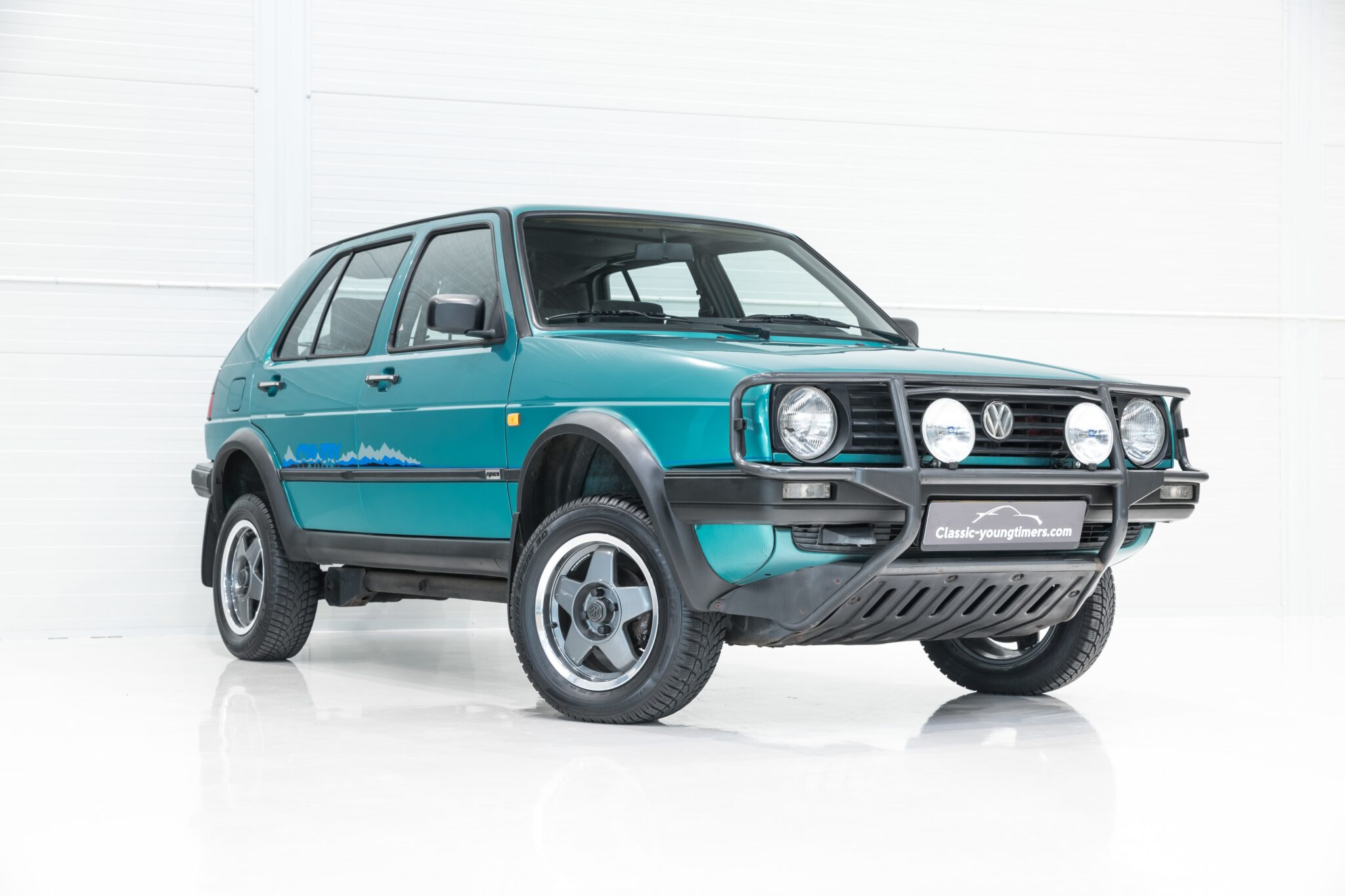
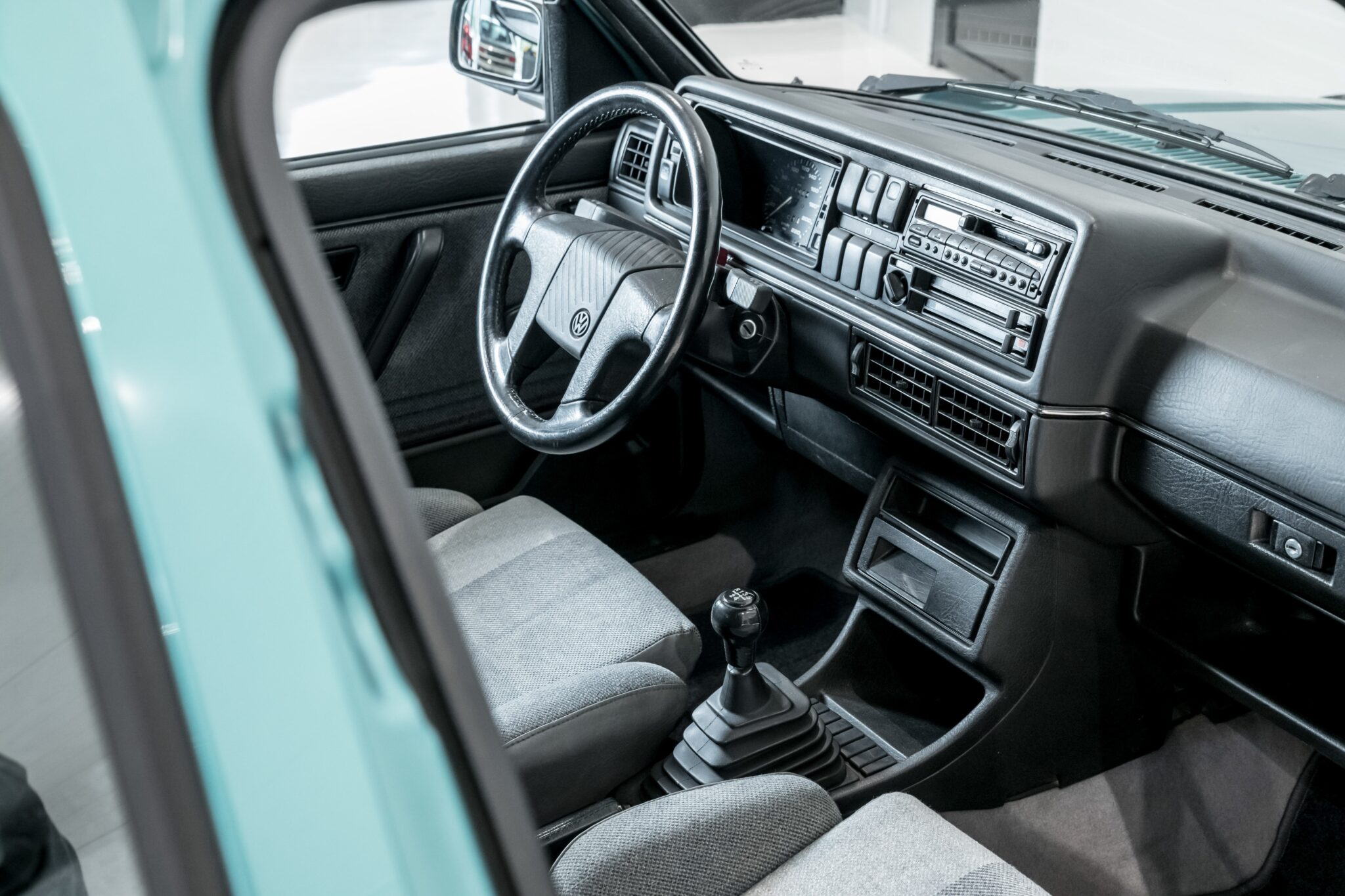
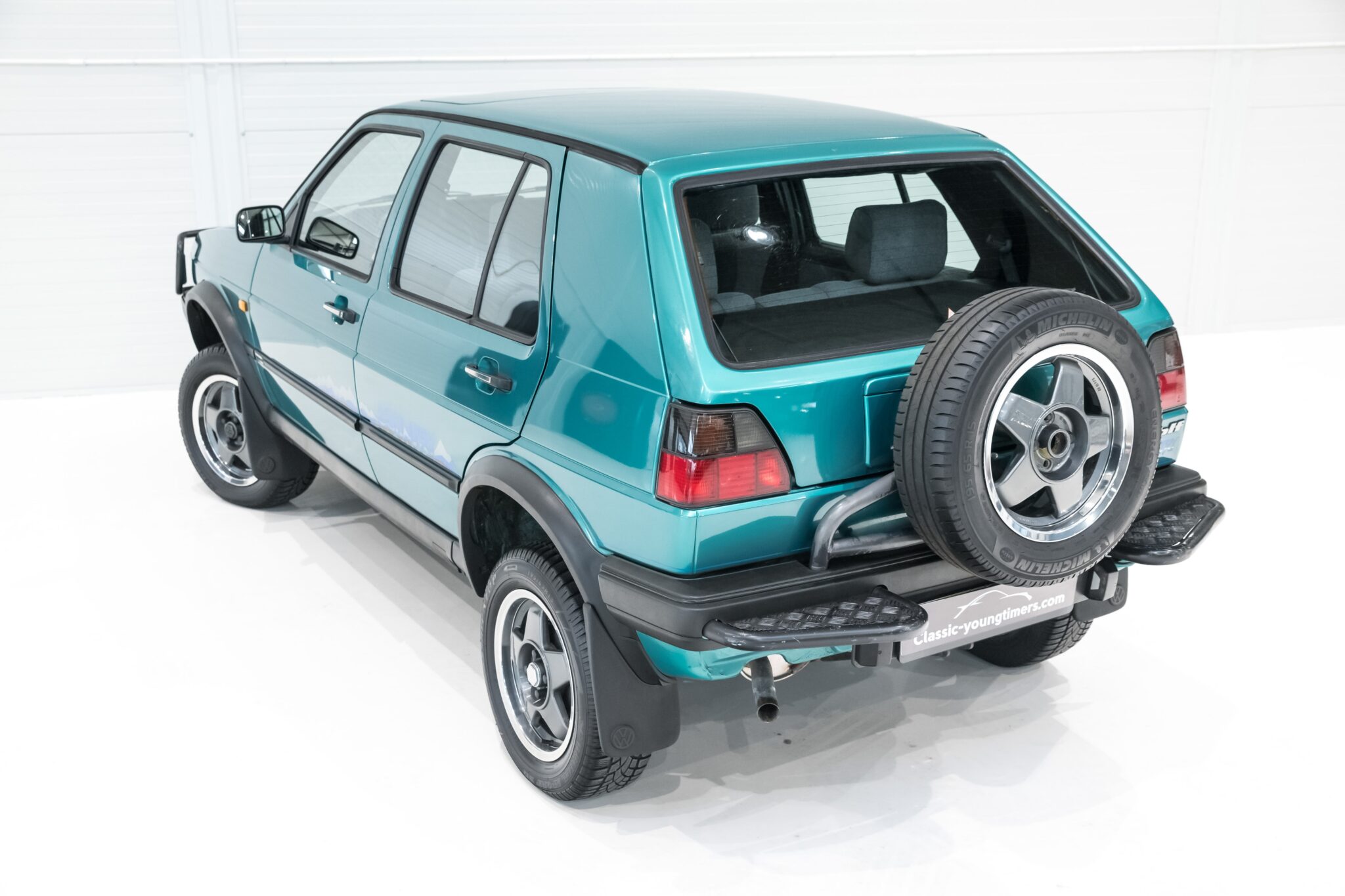
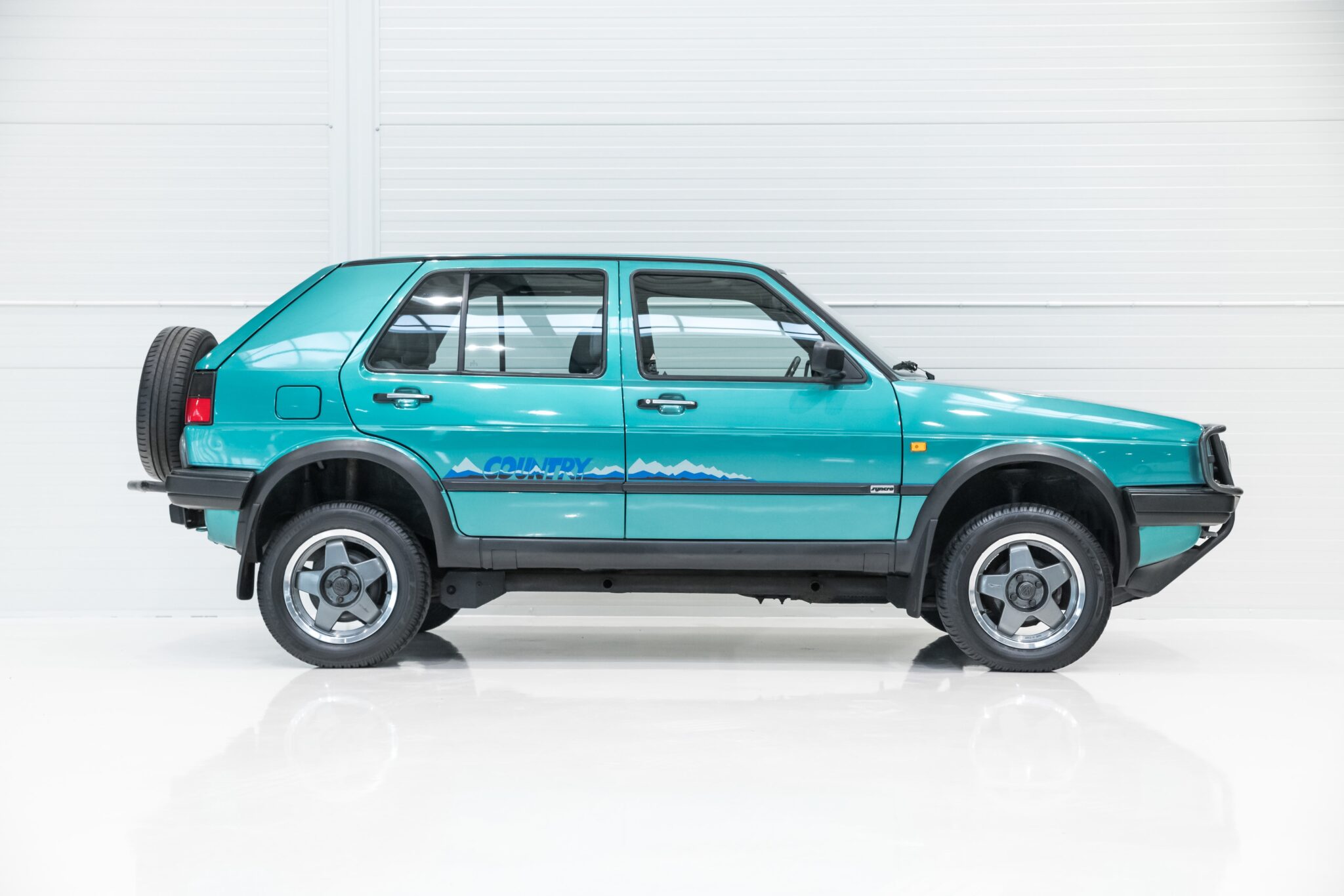
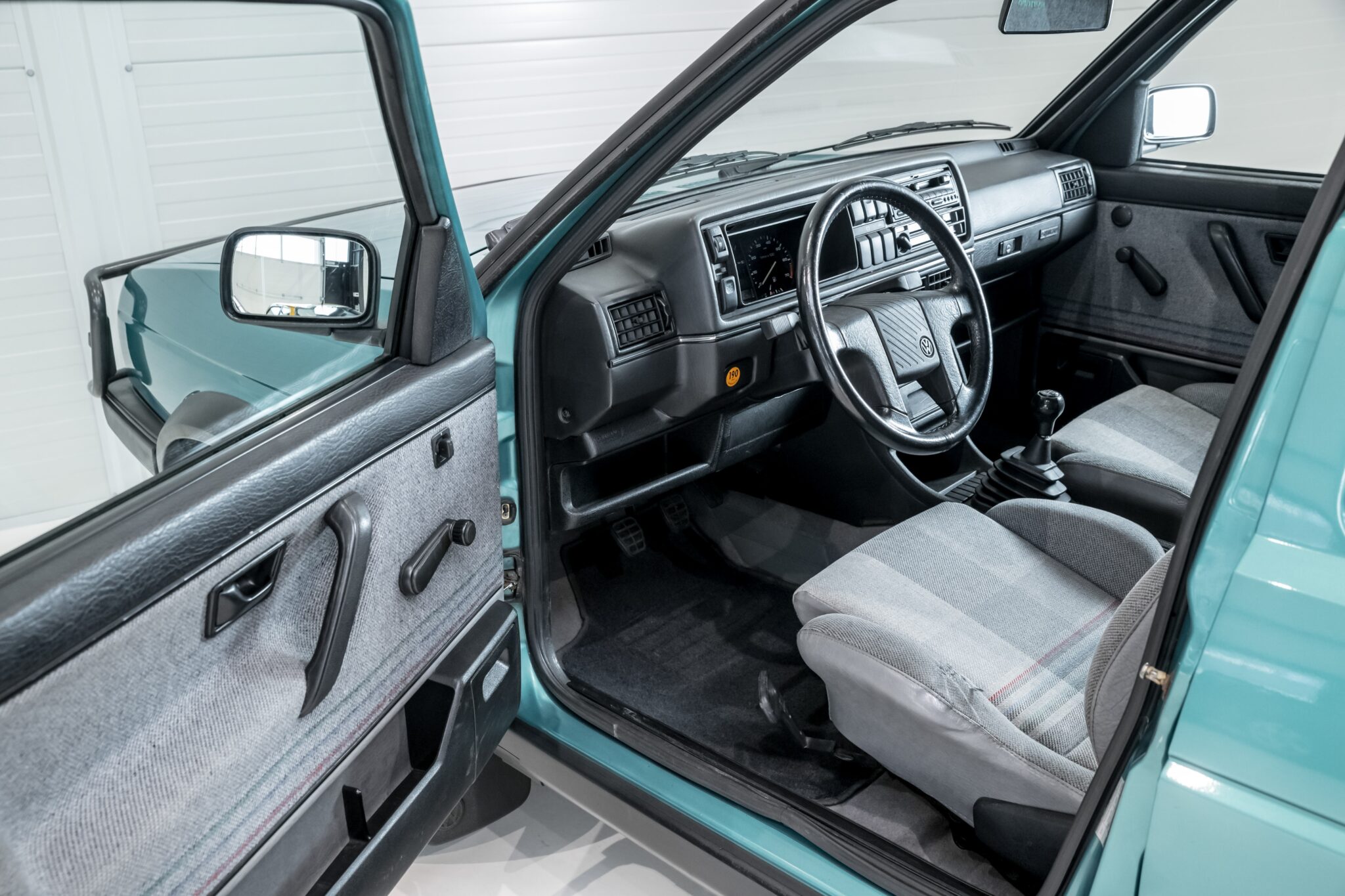
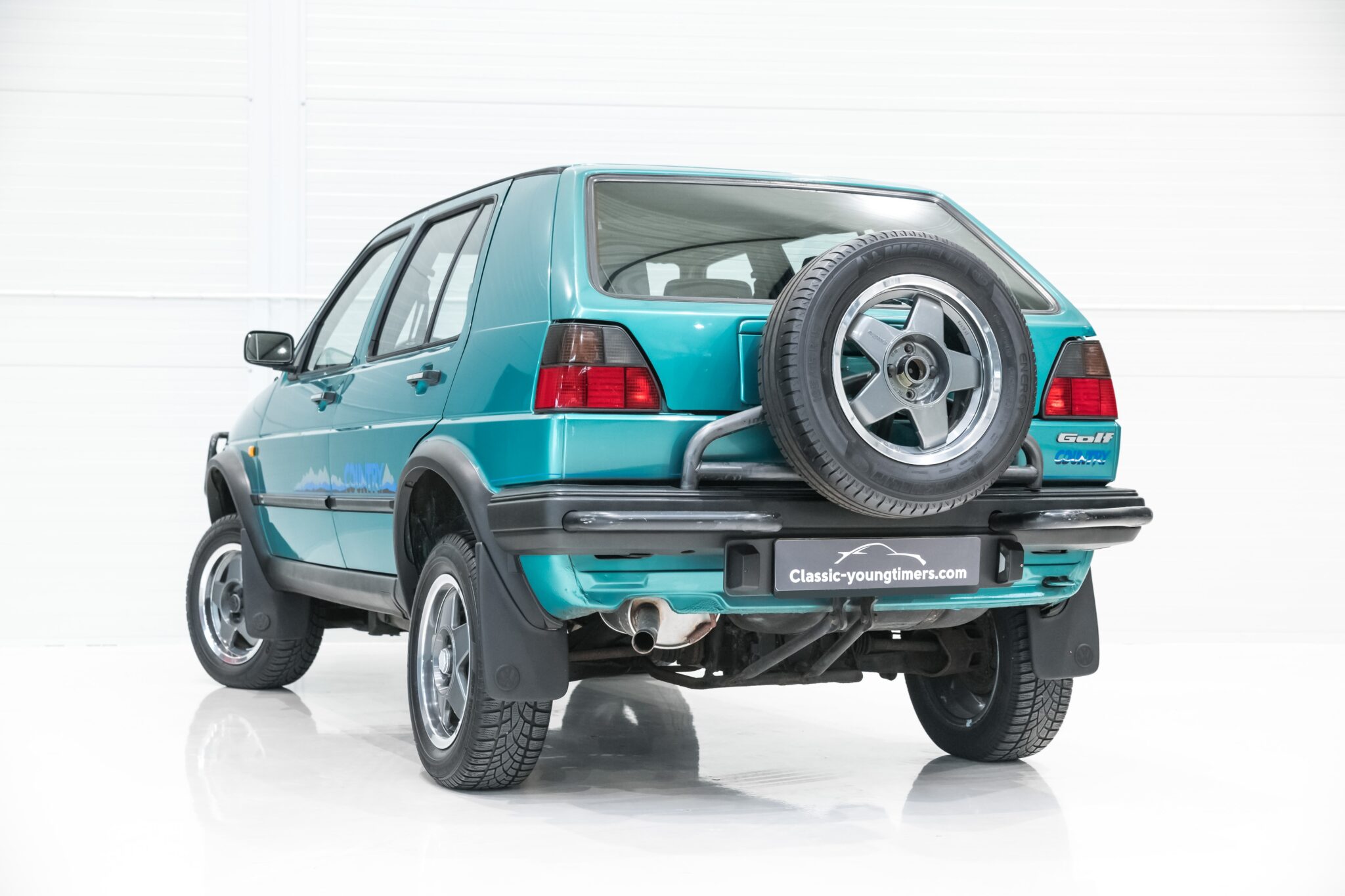
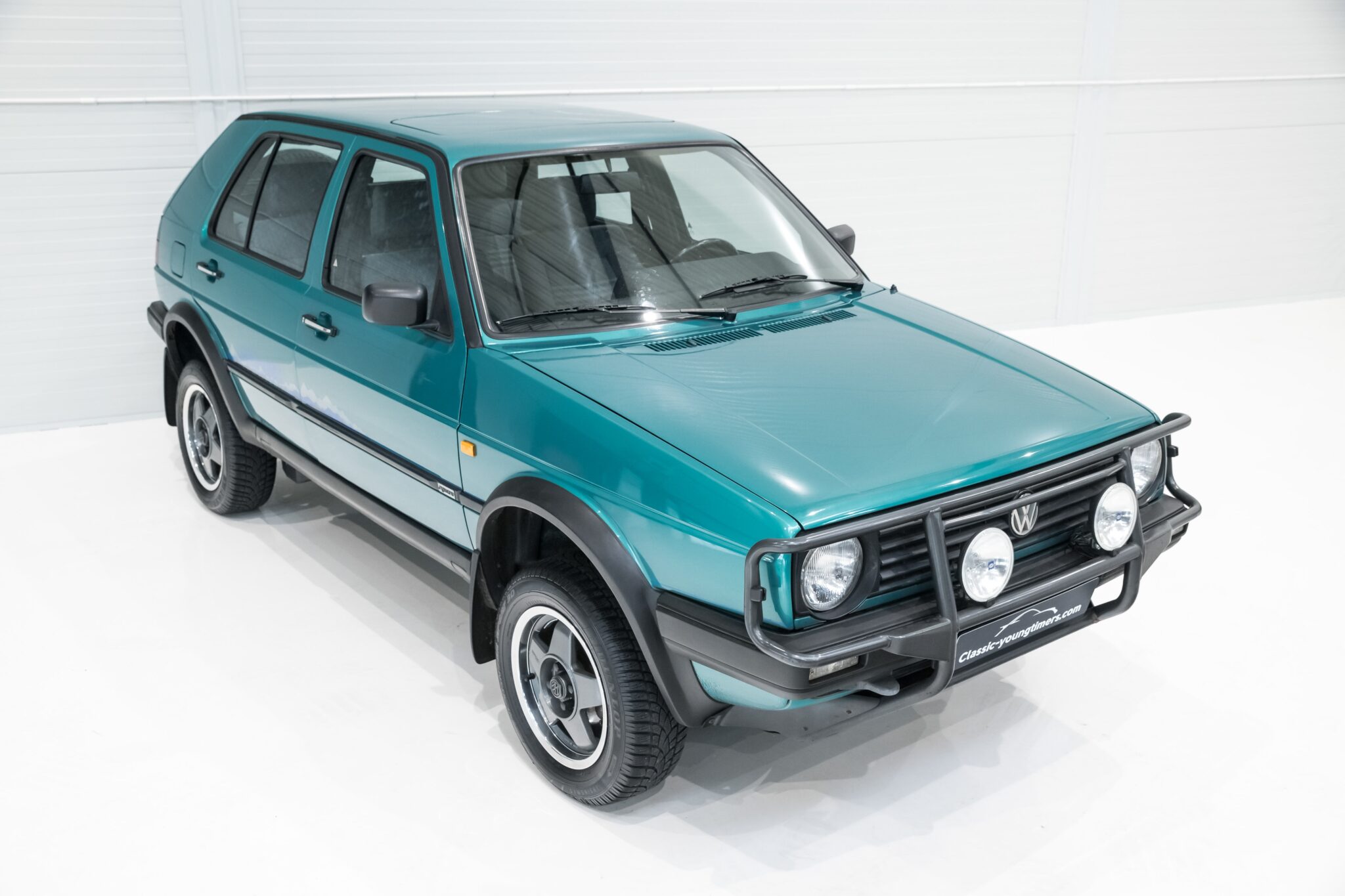
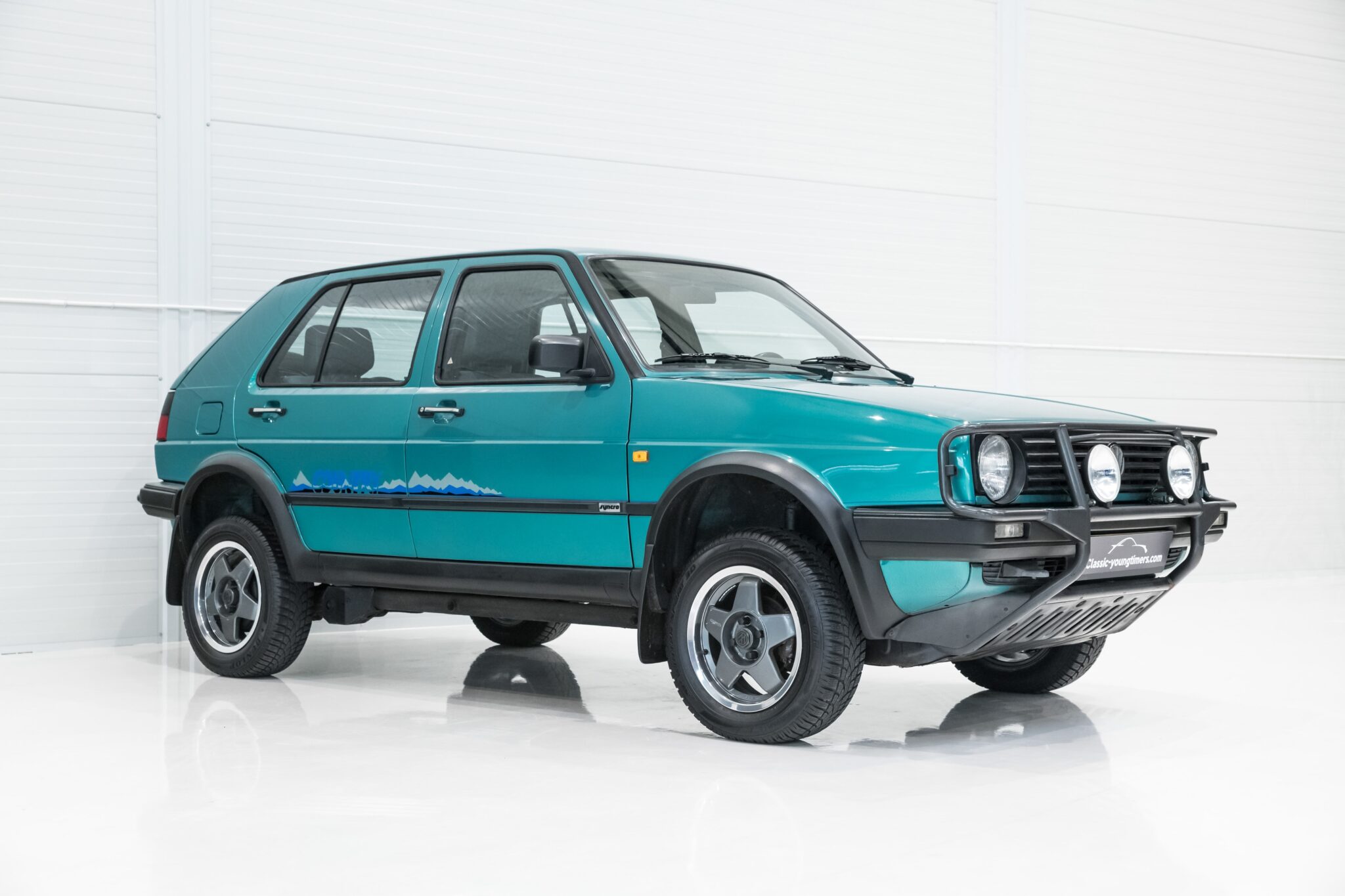
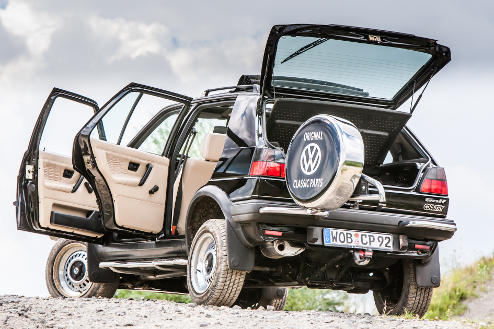
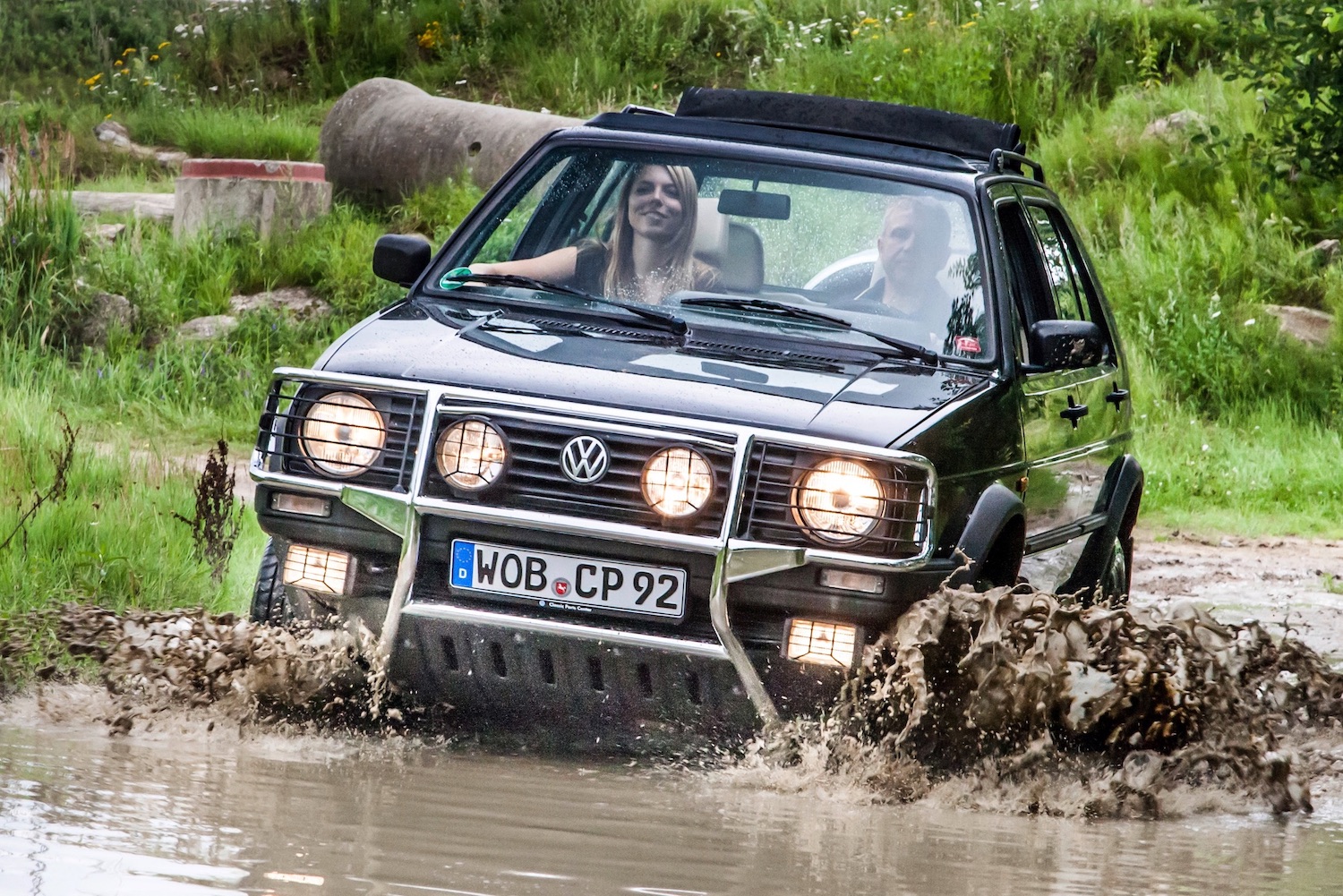
Volkswagen Golf Country Syncro

The first modern crossover?

Take a look through your window and you will definitely see one or even a few SUV's. This tendency which came from the United States gains more and more attention every year. Higher clearance prevents scratching nifty car details, a higher seating position allows to feel like driving a bus and truck-like design enhances trust in yourself.

In Europe only, crossovers segment switched to a higher gear nearly a decade ago. During this period SUV's became an alternative to hatches, saloons and combis. So it's bringing profit for all the carmakers. It doesn't matter if its Audi, Porsche or even Lamborgini. Good damn it - soon even Ferrari will take a seat in this runaway crossovers train. Even if it sounds wrong, if you're a car manufacturer - you have to be profitable. If you're not - we're not going to see exotic supercars, fancy autosport divisions and jaws breaking technologies.

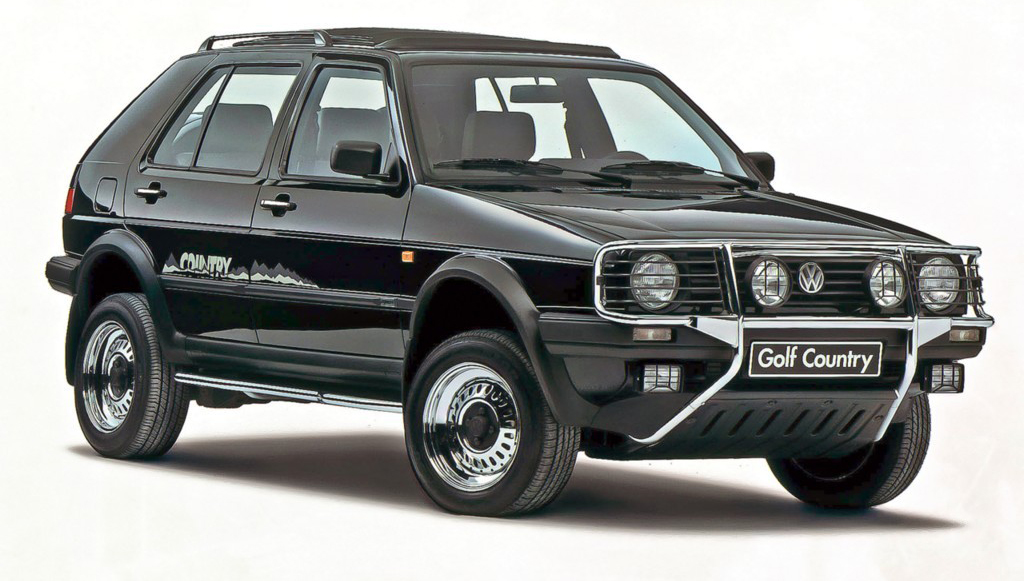
„Volkswagen“ as well as many other European carmakers, was always looking for alternative body types, powertrains, and engineering solutions. In 1989 modification of a very popular Volkswagen Golf raised a lot of buzz not only between big carmakers, but also between german hatch lovers. 

It was quite a surprise for Volkswagen managers when they revealed new Golf concept at Geneva motorshow as it attracted huge attention and requests to start serial manufacturing of the model. Volkswagen reacted quickly and in 1990s officialy started making new Golf with better off-road capabilities.

Hang on, so how did germans manage to start serial manufacturing of this crossover so quickly? You'll be surprised, but Volkswagen succeded with the help of Austrian partners.

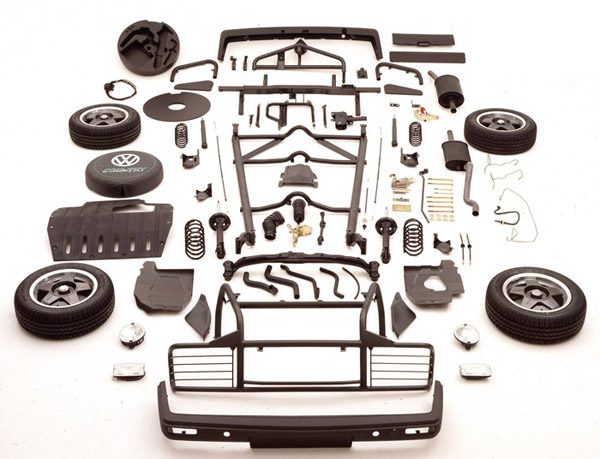
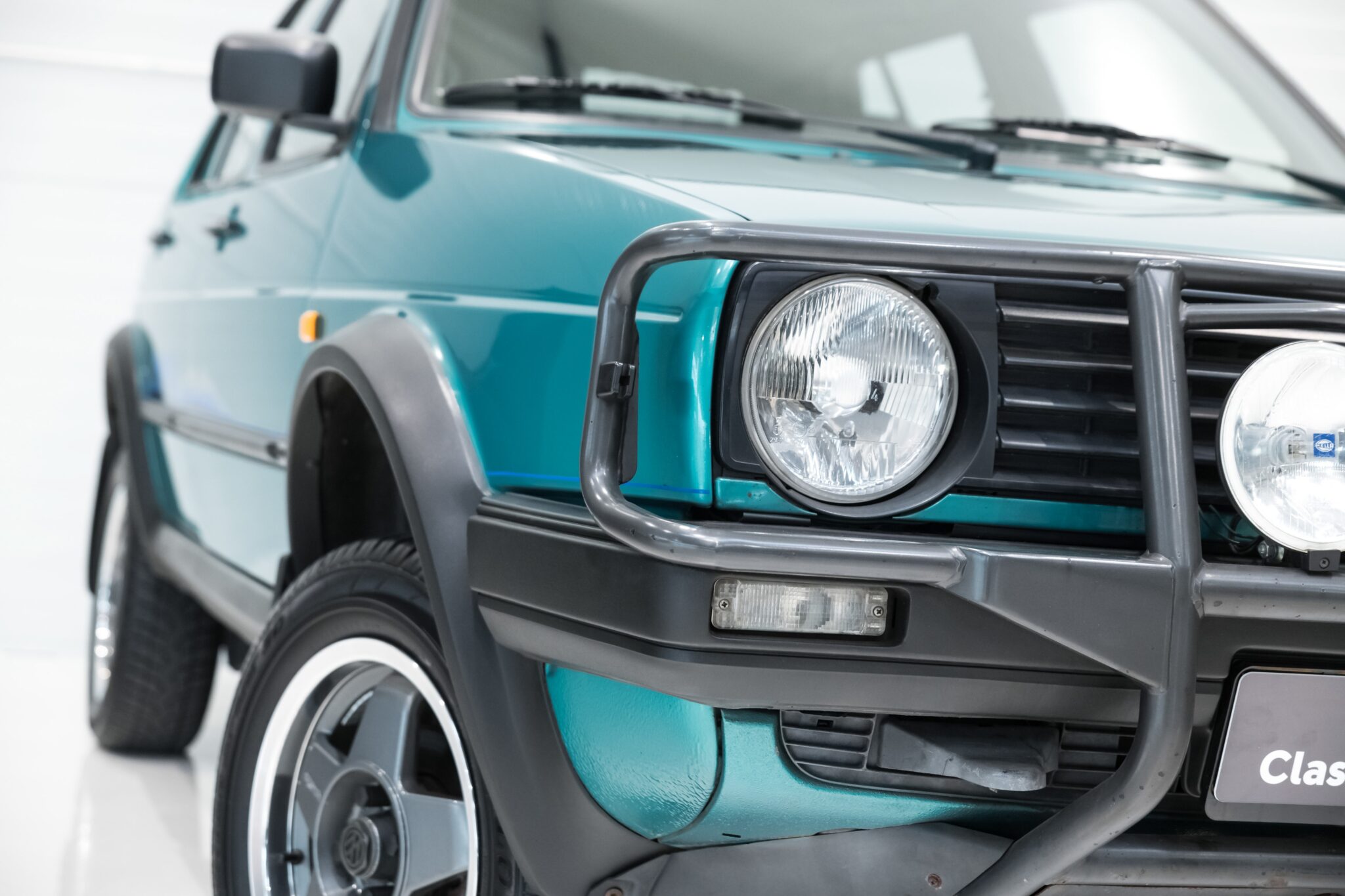
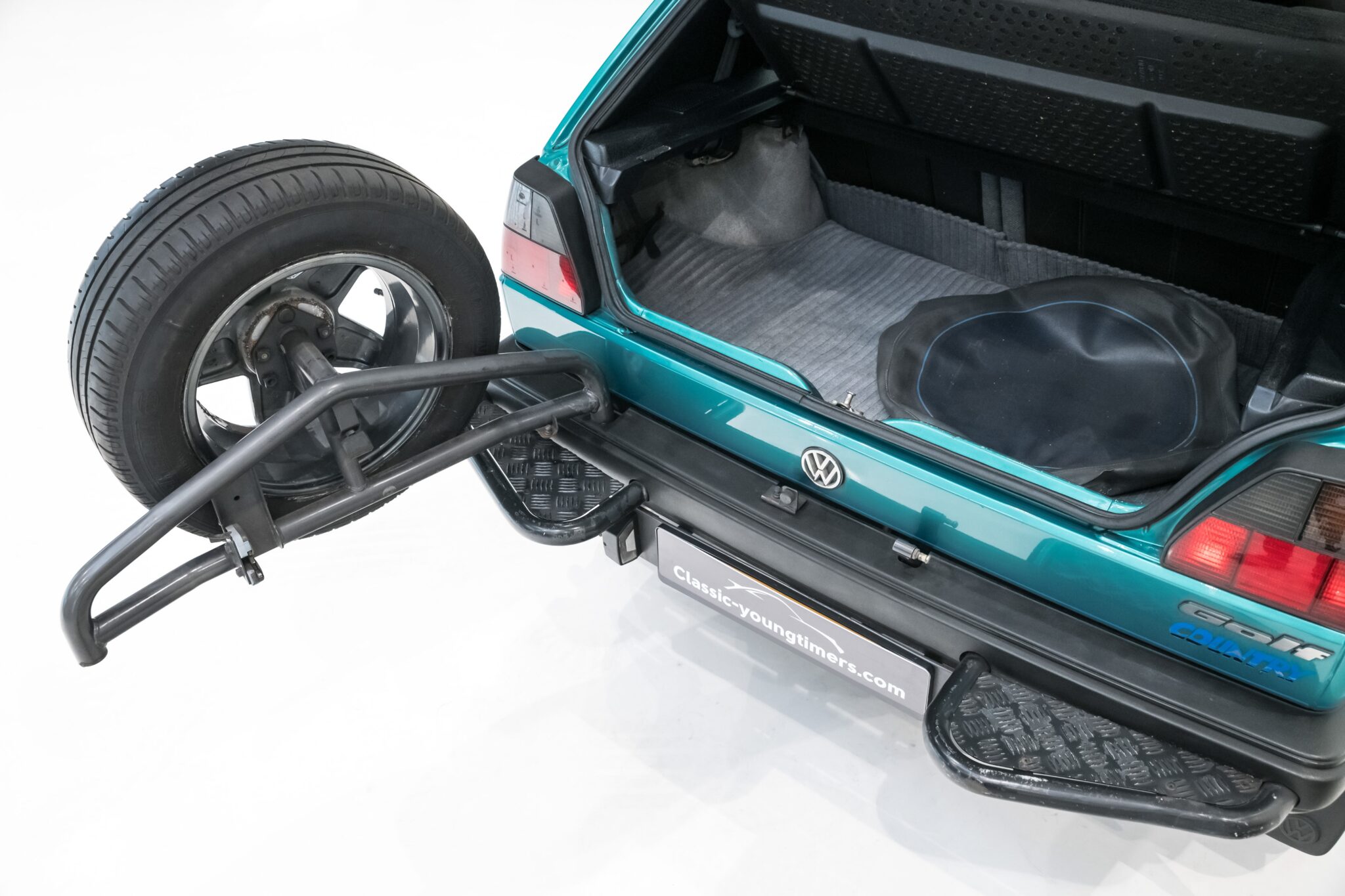
At first, the new version of the Golf was manufactured and assembled in Germany. Actually, in the same factory as well known golf hatch. Later - already assembled cars were transported to the factory in Austria where they were pimped with off-road look-alike features.

This compact suv was powered by rather sluggish engine. 1.8 liters 4 cylinders powertrain had only 98 horsepower. It's a laugh if you want to challenge anyone with this engine, but it was perfect fit to go from one forest to another.

There are sources who state that in order to show respect for the engineers who worked in the building of the Golf Country, some exclusive models were made. And they were powered by Golf GTI motor with 115 horsepower.

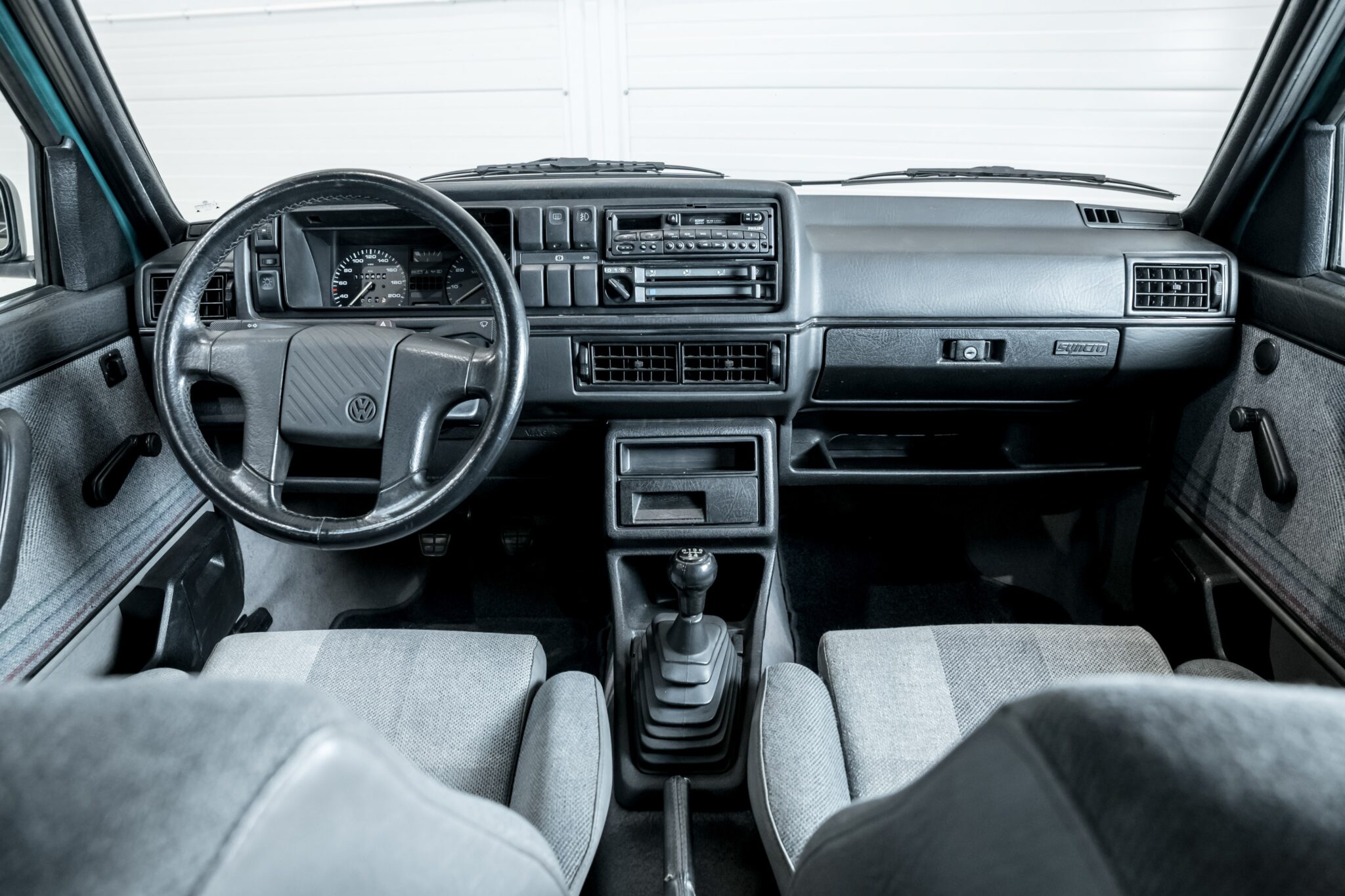
In this compact, but brisk SUV VW complemented all-wheel-drive system. It wasn't old school, heavy constant all-wheel drivetrain. It was syncro system with a viscous clutch which - when needed- were able to distribute engine torque by 50:50 coefficient between the front and rear axis. And for regular conditions, for example, driving in a highway, 95 percent of power was sent in the front wheels.

These and other VW Golf Country features did not manage to create a precedent and motivate other carmakers to get rid of traditional hatchbacks.

VW expected to manufacture at least 5000 of the cars on the first year and to release 15000 VW Golf SUVs during 3 years.

Unfortunately, for Volkswagen - ambitious plans stayed as ambitious plans. In Europe during two years there were only 7735 volunteers who paid much more, actually - for the same price as Golf Country you were able to purchase quite well equipped „Volkswagen Passat“.

VIDEO

FOLLOW OUR YOUTUBE CHANNEL
BACK STORY
NEXT STORY

10

facts

you didn't know about

Mazda MX-5 Miata

We won't be wrong saying that Mazda MX-5 is one
of the best known roadsters in the world. Being one of the most popular roadsters worldwide MX-5 proves that even compact classic cars can be a profitable niche.

In 2019, Mazda celebrated its highly honorable, 30-year-old anniversary. In order to feast properly, Mazda launched a limited release model. Limited Edition Racing Orange version of MX-5 was a gratitude for the fans and at the same time - the faith of the future expression of the model.

While Mazda is considering what shall they do within the next MX-5 generation, we invite you to remember some really interesting facts from life of a popular rodster. 10 facts that you probably didn't know for your attention.

Fact 1

Asked a journalist for advice!

Vast majority of cars on roads come from a desire to fill an empty niche and increase company's profitability, but its not the case for Mazda MX-5. 

In 1979 Chief Engineer of Mazda were chatting with Bob Hallu - the highly honorable journalist, and asked him a question: “What model should the manufacturer develop next?”

nd to the surprise of all, the journalist replied that Mazda should create a compact, double-seater roadster. But it was just the very start of a solid partnership.

Bob Hall later joined the Mazda Engineering Company and significantly contributed for the MX 5 recognition as an athletic roadster. And for future development of the project.

Fact 2

The car was designed for years

When the already mentioned journalist became a team member of the “Mazda”, he and his colleagues in the design studio in California began to form a vision of a Japanese roadster. This was back at 1982.

Fact 3

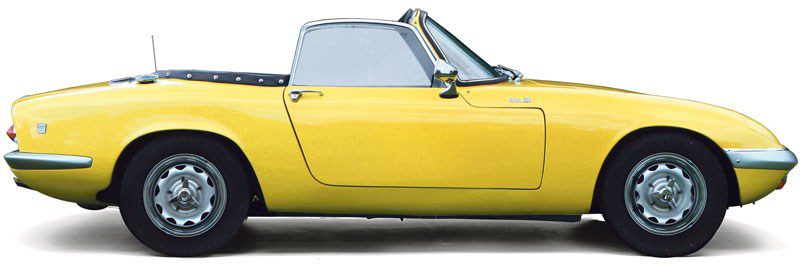
Inspired by Lotus

Various British roadsters have always been pioneers of the car genre, so it's no surprise that Mazda has pursued to take an example from its counterparts. They knew exactly how compact roadster should look like.

While creating the MX-5, Mazda engineers took inspiration from Lotus, Triumph, Fiat and even Alfa Romeo projects.

Fact 4

Series of different concepts

Compact roadster is a very broad definition. „Mazda“ engineers have considered pretty much all the possible solutions for a perfect roadster recipe. Should it be rear wheels driven? Or maybe it should have a rear driven wheels with a middle mounted engine?

However, the major votes went to the British composition which consisted of the front mounted engine and the power send to the rear wheels.

Fact 5

The one and the only engine

According to the original idea of Mazda engineers, the upcoming baby suppose to have only one choice - 1.6 litres, four cylinders engine. Named B6ZE was developed  specifically for the MX-5. But it received a lot of critisism regarding power shortage. So Japanese began to install a much more vigorous, 1.8-litre engine. Very soon after, owners of Mazda MX-5 began to add a compressor or a turbine by themselves.

Fact 6

Turbine Mazda

Naturally aspirated engines have always been the MX-5 business card, but once, Mazda decided to carry out an experiment and in the popular roadster installed a turbo-charged petrol engine.

It was a limited edition Mazdaspeed version, which delighted MX-5 drivers with the vibrant 182 horsepower engine. Only 5428 of such versions were made.

Fact 7

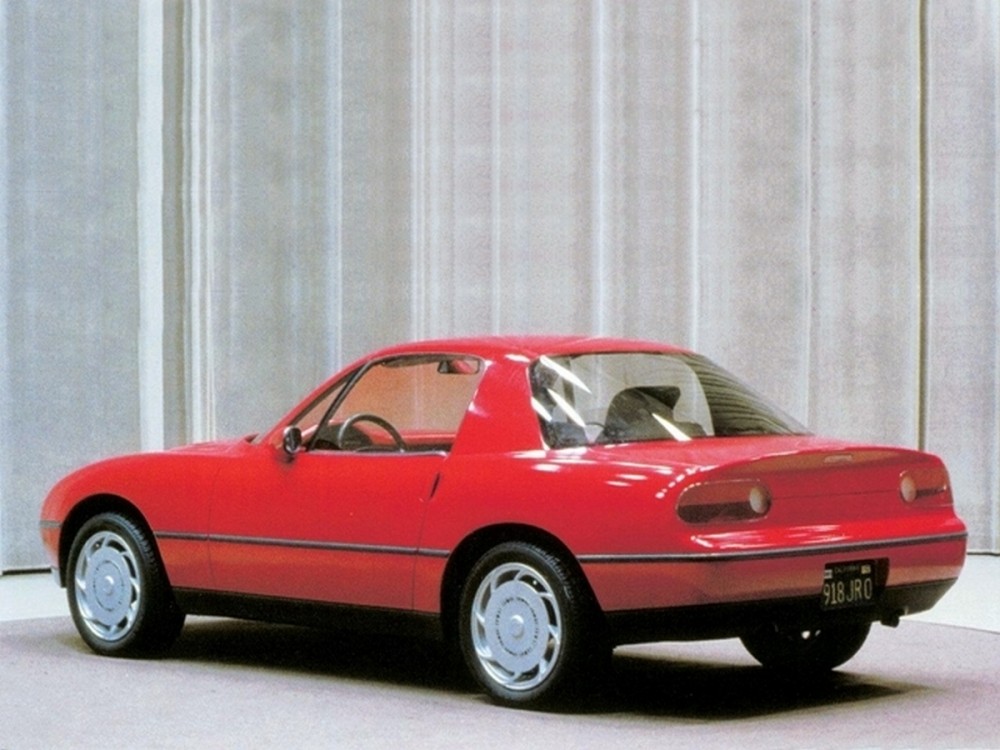
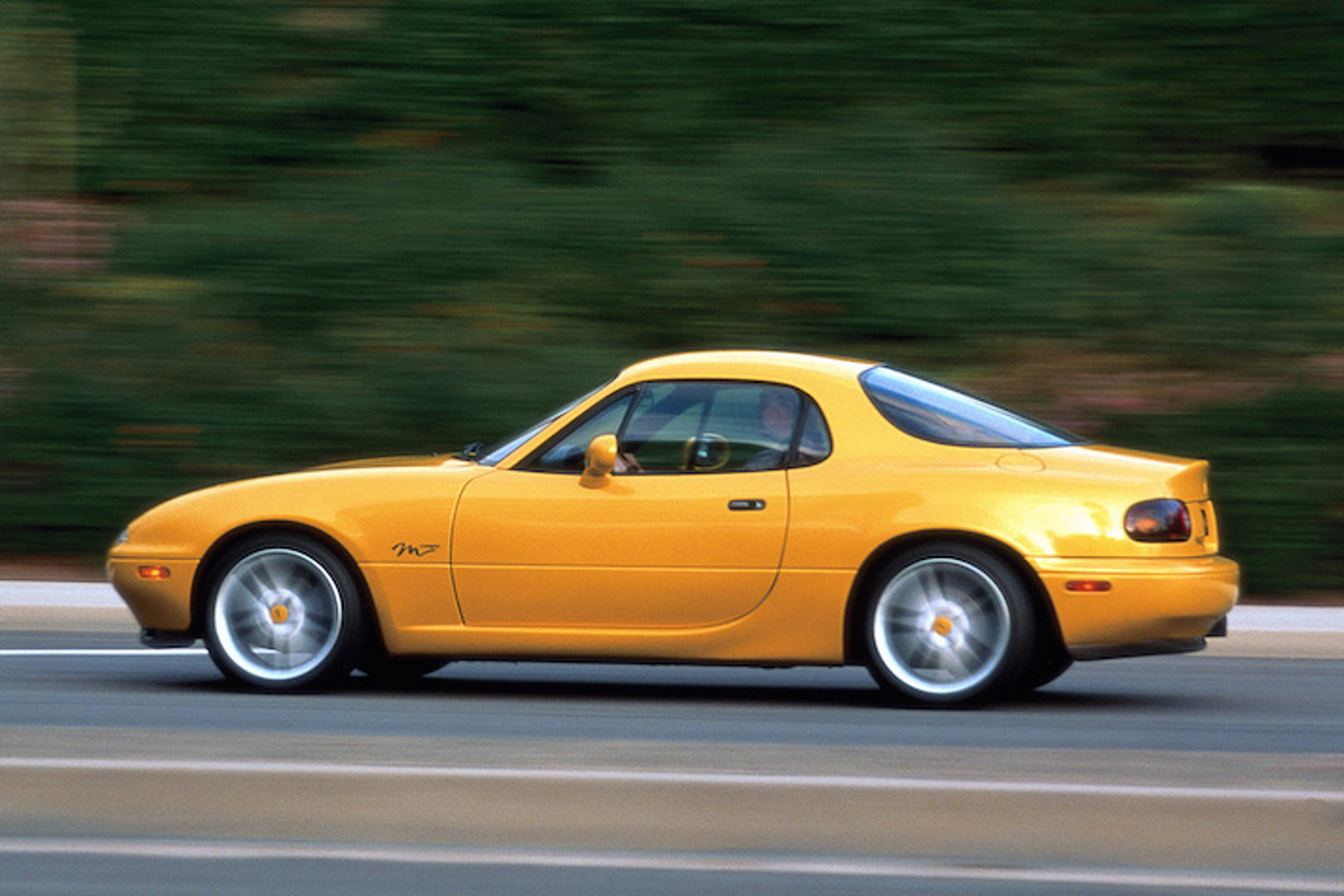
Coupe body was considered

MX-5 with a coupe body type – Mazda specialists had this idea from the existence of the model. However, it became a reality as late as 2003.

In order to satisfy the most engaged MX-5 fans, Mazda made only 179 coupe models. And ofcourse, all of them were dedicated to the Japanese market.

Fact 8

Tested rotor engine

Efficient rotor engines have also had their journey to the MX-5 engine compartment. In 1994 Mazda installed rotor powerhouse into MX-5 which previously been installed only into RX-7. In addition, the rotor engine was not powered by petrol, but hydrogen instead.

Fact 9

Electric version was considered as well

Mazda's experiment with the electric version of the MX-5 was a hardcore hit straight to the wall. Because of imaturity of the technologies back then, electric MX-5 range was only 100 kilometres. And it took ages to charge the batteries. However, electric powertrain idea might be coming back to mx-5 very soon.

Fact 10

Coupe body was considered

Up to now, Mazda sold more than 1 million different MX-5 models worldwide. However, today the demand of mx5 is decreased.

For example, during the first year of production, Mazda sold whopping 95 640 pieces of the Japanese roadster. When in 2018 the number is only 31,938.

From 1989 to 2018, Mazda sold 325,680 of the sportish cabrios in Europe alone. And it's the second largest market for the MX5 after the US.

VIDEO

FOLLOW OUR YOUTUBE CHANNEL
BACK STORY
NEXT STORY

Porsche 911

which you haven't heard about until now

Could you list all the models of Porsche? Many petrolheads, especially Porsche fans, could do it without even a blink of an eye. But have you ever heard anything about the Porsche 911 HLS?

Let me introduce you to the car which manufacturing started back in 1964. But for some reason, not only the Porsche but also the students at the University of Aachen who developed the car, have been forgotten.

The seventies were a success for Porsche. On the race tracks, Porsche bolides regularly won prizes. On roads, Porsche 911 increased attention not only in Europe but also outside, especially in Japan and the US.

Porsche execs with all the aces in their hands were able to take a holiday and not worry about the future of the Porsche brand. Well at least for two weeks. But Germans are Germans and after one finished project, they were eager to start the next one.

In February 1966, Porsche execs decided to create a new version of the 911. But instead of regular car development procedure Germans chose to work with students from the University of Aachen who, with enormous enthusiasm, agreed to be a part of this unique project.

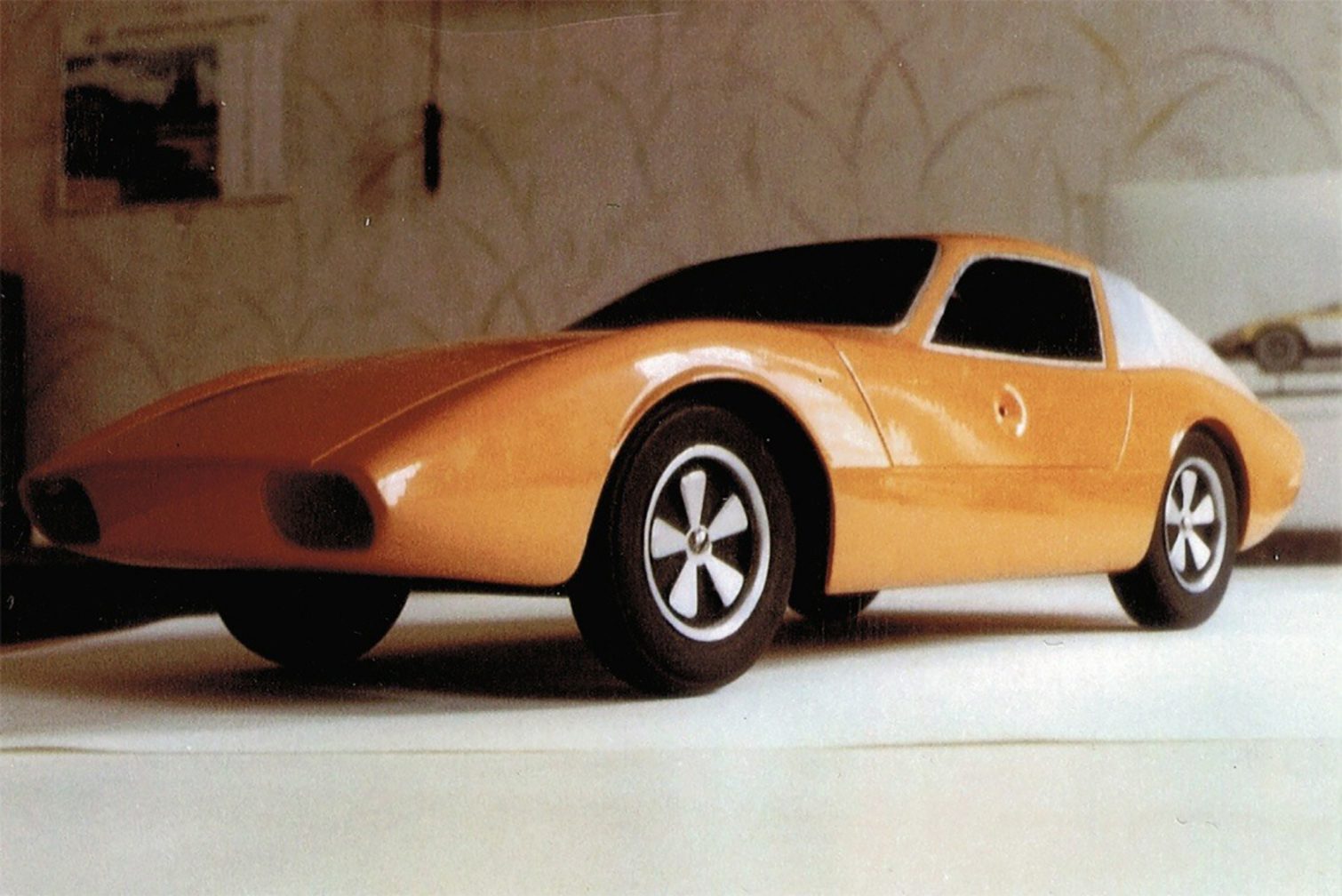
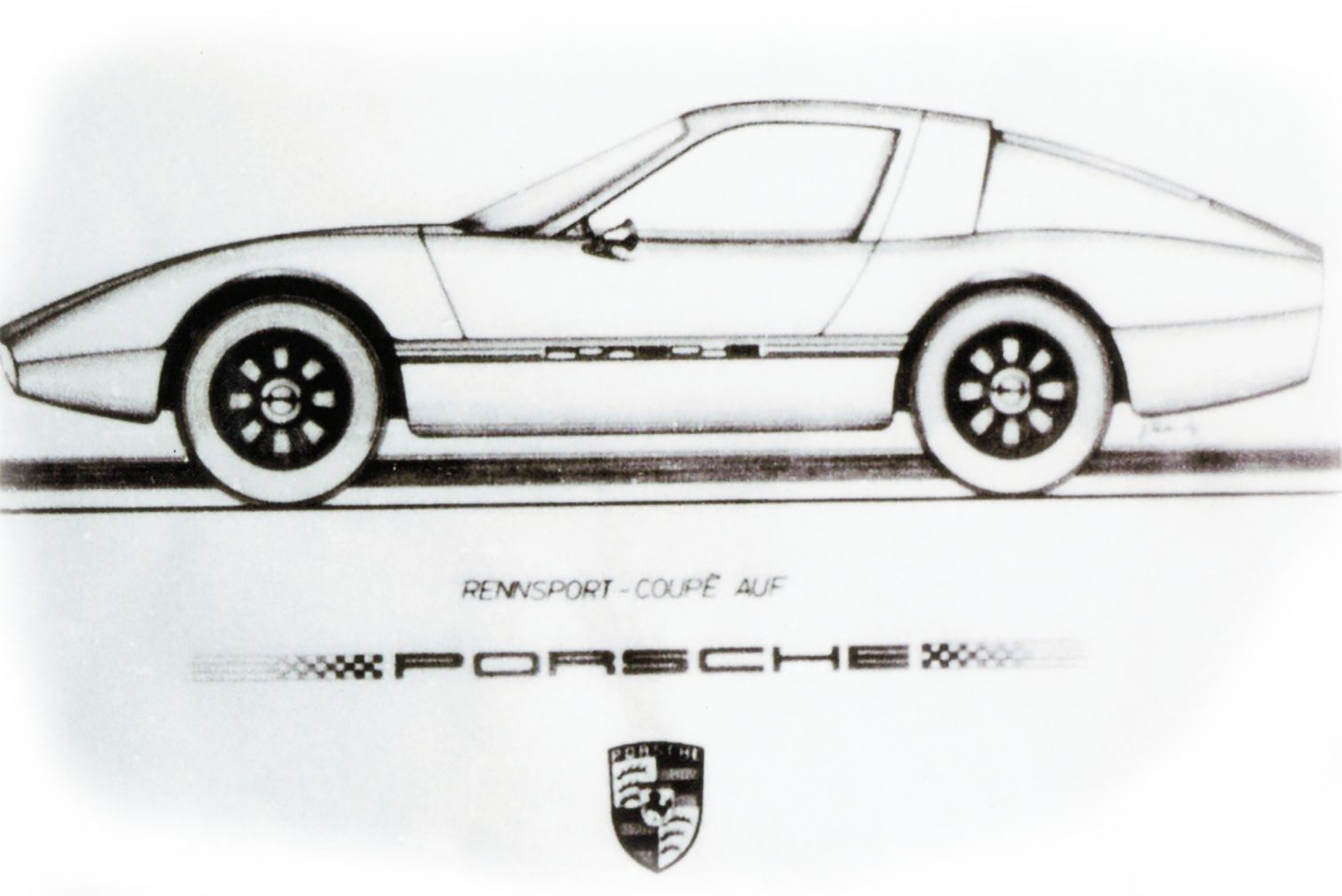
The car's sketches, miniature model, and structural solutions were the result of students, not Porsche itself. Lads from the University of Aachen were meeting Porsche executives at least weekly and updated them on how is it going to create a Porsche 911 HLS.

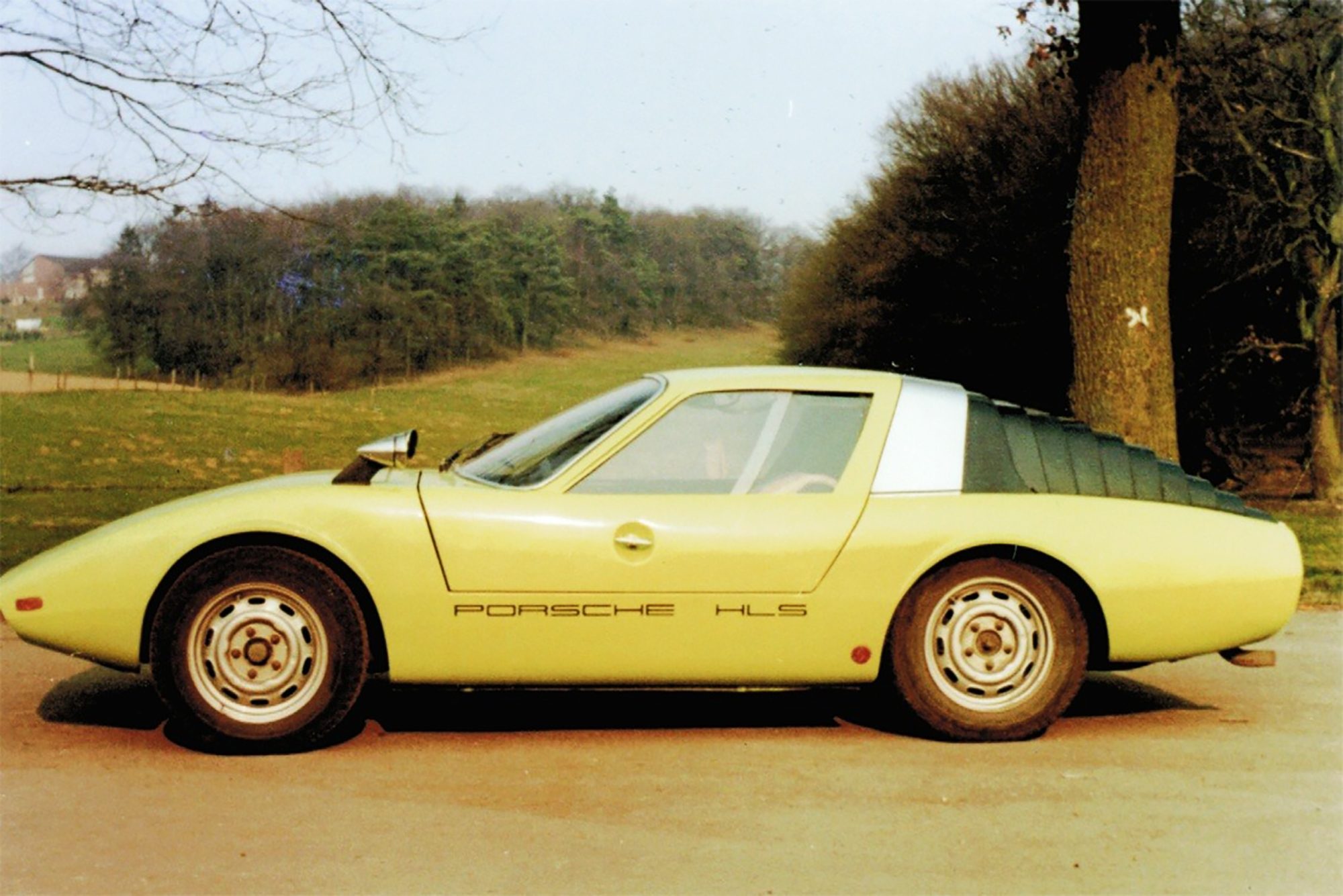
Students made body parts from aluminum, taking into account the philosophy of the Porsche brand. This decision enabled to reduce the weight of the vehicle and achieve a decent weight distribution between the axles.

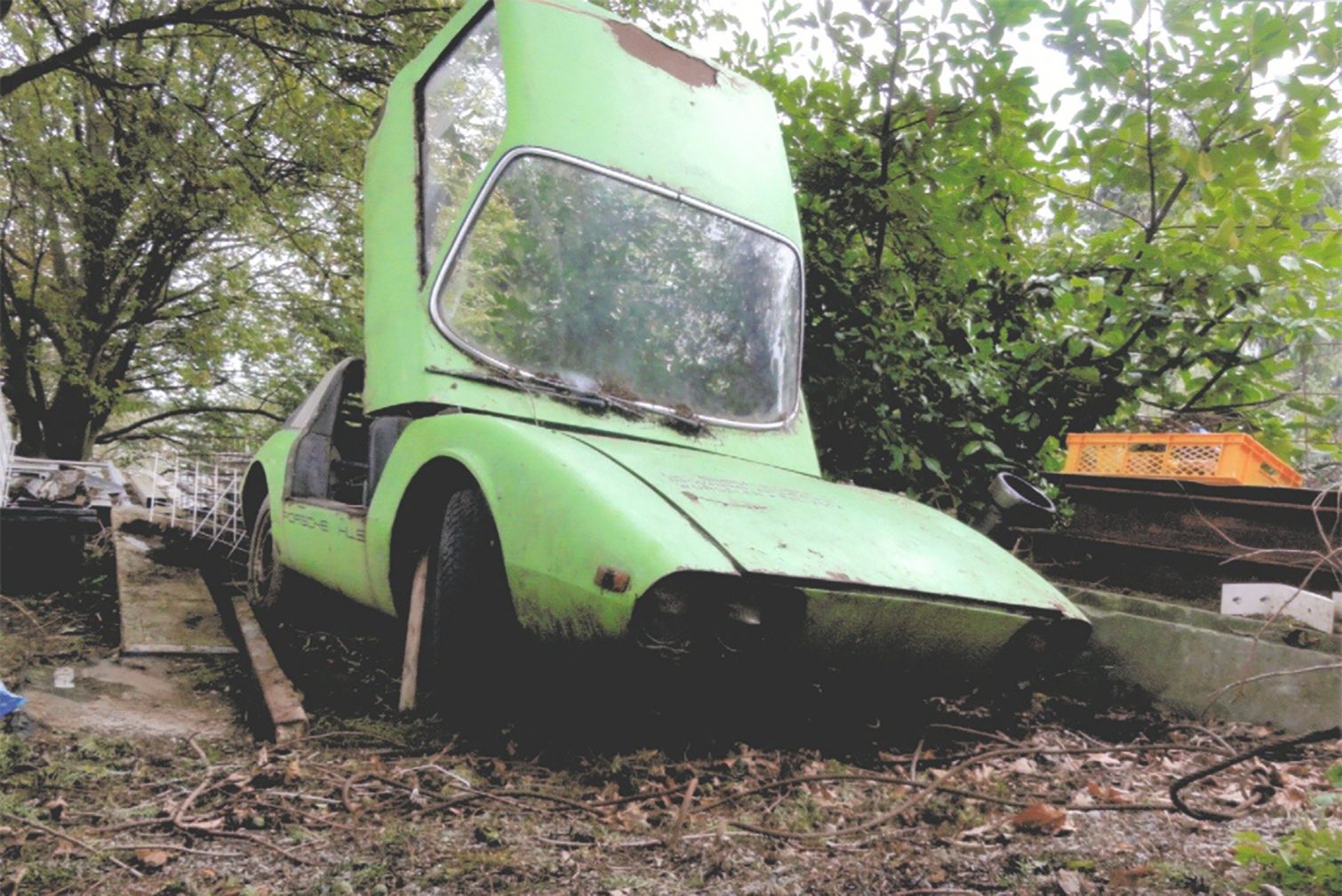
In addition to its appearance, the 911 HLS differed from other 911 models with open-up doors or rather - a roof. Students decided to get rid of the regular doors which were considered too heavy back then. This unconventional solution has made it possible to save tens of kilograms.

The car was completed in a record short period. But students who spent numerous nights at the project were very disappointed as the final product was not of interest to any of  Porsche board members. For this reason Porsche 911 HLS had to accept the idea that it will spend the rest of its life in a closed garage.

As you see, the car that has been abandoned in the garage for many years is in a very poor state. 911HLS needs a full restoration, but people who have found this unique piece of student's work say that the current owner of Porsche doesn't want to sell it. And doesn't even want to negotiate. What a pity. Worldwide there would certainly be at least one enthusiast who would love to resurrect this distinctive Porsche model from ashes.

VIDEO

FOLLOW OUR YOUTUBE CHANNEL
NEXT STORY

MORE STORIES

Car designer Ian Callum

The best car designer of the era

First 4WD cars

Spyker, Jeep, GAZ, Wagoneer, Kurogane, Land Rover, Toyota Land Cruiser

Super Alfa Romeo 33 Stradale

Unfortunately, there were only 18 units ordered.

Top five smallest cars in the world

The Fuldamobil, Vespa 400, Peel P50, Isetta & Commuter Cars Tango.

Volkswagen Golf Country Syncro

The first modern crossover?

FACEBOOK
INSTAGRAM
YOUTUBE

©2024 Automania.life. All Rights Reserved.